
 E-Paper



Indian inertia around the cholesterol crisis
Unlike in many other geographies, where cholesterol imbalance worsens with age, Indians get hit harder at a much younger age

 Prefer HTon Google


It’s no real surprise: The finding of the 2023 Global Burden of Diseases study, published in the Journal of the American Medical Association (JAMA), that India and China alone accounted for just over a third of the global cholesterol-related disease burden is only the latest in a series of foghorn warnings about India’s cholesterol crisis. While sailors rarely ignore foghorns, we Indians haven’t even stirred. From an adult prevalence of 79% in 2014, lipid abnormalities (including high “bad” cholesterol levels) have shot past 87%, according to the ICMR-INDIAB studies. Particularly worrying is that dyslipidaemia — the balance of fats in the blood getting skewed towards harm — has been found to often remain hidden behind atypical presentations of health. Unlike in many other geographies, where cholesterol imbalance worsens with age, Indians get hit harder at a much younger age.
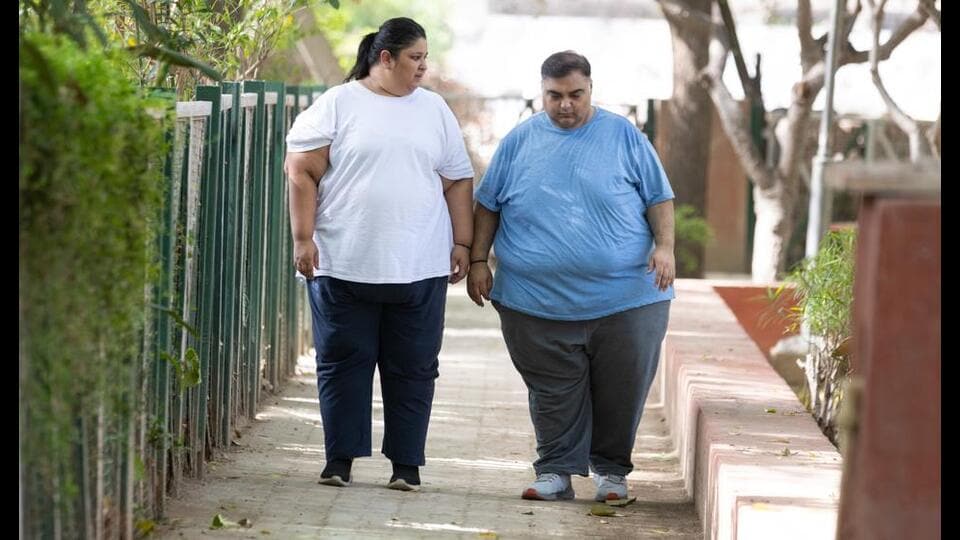
The high levels of low density lipid cholesterol (LDL-C) noted among South Asian populations doesn’t help our case. While experts see a role of genetics — making a control strategy that much harder to plot — we don’t seem to take lifestyle and therapeutic interventions seriously either. Despite the explosion of the health and nutrition industry, the practice of healthy eating, adequate exercise and physical activity, avoiding addictions, is our biggest challenge. In this scenario, enabling greater awareness about and access to statins, which are very effective in fighting dyslipedaemia, must be our prime fall-back option. Wider screening to detect the condition early for better treatment outcomes must be implemented, too. The latest warning should prompt India’s public health to shake off inertia to prevent the crisis from spiralling. Get off that semi-comfortable office chair now.


