
 E-Paper



As floodwaters recede in Punjab, threat of diseases looms large
Potential spread of skin diseases, waterborne and foodborne diseases: dengue, cholera, typhoid, diarrhoea, and hepatitis A and E is looming large.

 Prefer HTon Google


Though the floodwater begins to recede across Punjab, the hardships for the flood-hit residents is far from over. The state health department has already sounded an alert over the heightened risk of disease outbreaks.
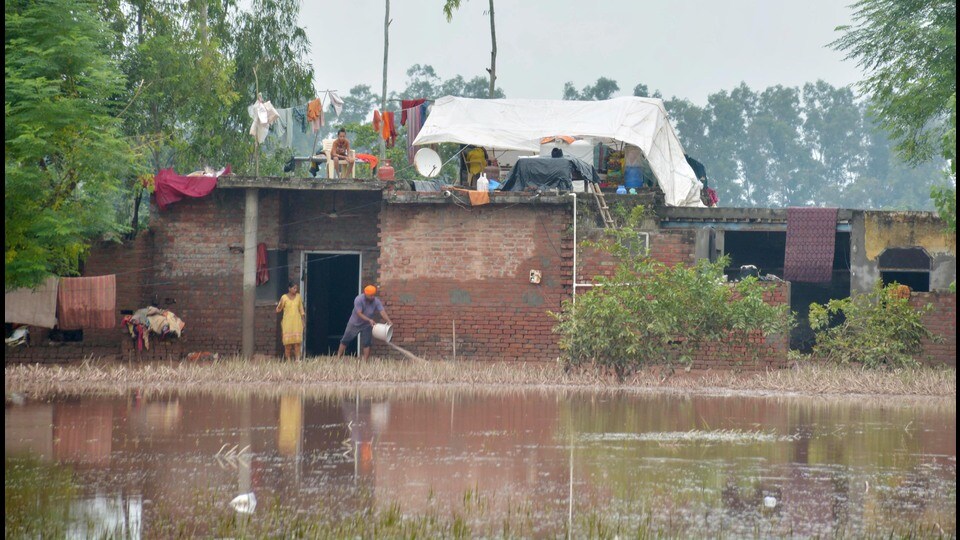
Officials of the department said potential spread of skin diseases, waterborne and foodborne diseases: dengue, cholera, typhoid, diarrhoea, and hepatitis A and E is looming large.
Consequent upon the disarrayed aftermath – lack of access to clean drinking water, unsafe food, prolonged exposure to stagnated flood water, and lack of sanitation facilities will be fuelling the risk of rapid disease transmission.
“Usual water sources are no longer safe,” the advisory cautioned. Punjab health department said that floodwaters might have contaminated handpumps, wells, and supply lines with faecal matter, overflow from latrines, decaying animal carcasses, and upstream pollutants.
Also Read | Punjab schools, colleges to reopen for students from Tuesday
Doctors have strongly recommended that people should boil water before drinking. “Bring it to a rolling boil, then allow it to cool naturally without adding ice,” the advisory states. If boiling is not possible for all, priority should be given to water for formula-fed infants, the elderly, immunocompromised individuals, and other vulnerable groups, it says.
Another looming concern is the rise in mosquito-borne diseases like dengue and malaria, as stagnant water left behind by floods provides ideal breeding grounds. Authorities have urged panchayat secretaries, BDOs, and village sarpanches to ensure drainage and carry out anti-larval spraying.
Also Read | Rain, not illegal mining, caused floods: Punjab ministers hit back at Chouhan
Epidemiologist Dr Sumit Singh said timely precautions are crucial. “The floodwaters may be receding, but the danger of epidemics is rising. With safe water, proper hygiene, and community cooperation, we can prevent a major health crisis,” he added.
He said that there was a threat of an increase in waterborne diseases post floods. “Contaminated water and food trigger outbreaks of diseases such as typhoid fever, cholera, hepatitis A & E and leptospirosis,” he said.
Taking preventive measures, teams of the health department have already started working on the ground.
The department said that they had already set up medical camps and distributed chlorine tablets in flood-affected villages.
“Medical teams of ASHA workers and CHOs (community medical officers) – supervised by a medical officer – have already been formed to carry out door-to-door health checkups in flood-affected areas,” said Punjab health minister Dr Balbir.
He added that anti-snake venom was made available for all the health institutions up to the level of community health centres. “Snake-bite incidents are frequent during the floods, but residents should not panic and rush to the nearest government health centre where we have anti-snake venom available. People should immediately call our medical helpline number 104 to get instant medical help,” said Dr Balbir.
To counter water-borne diarrhea outbreaks, he said that he had already ordered to scale up the testing of water samples in flood-affected areas to ensure potable drinking water supply.


