
 E-Paper



Chandigarh: Dengue threat waning with arrival of winter
In Chandigarh, the daily cases have already dropped from double to single digit; so far this year, the city has reported 294 dengue cases

 Prefer HTon Google


As winter chill intensifies, health experts say relief from dengue may be just a few days away for tricity residents.
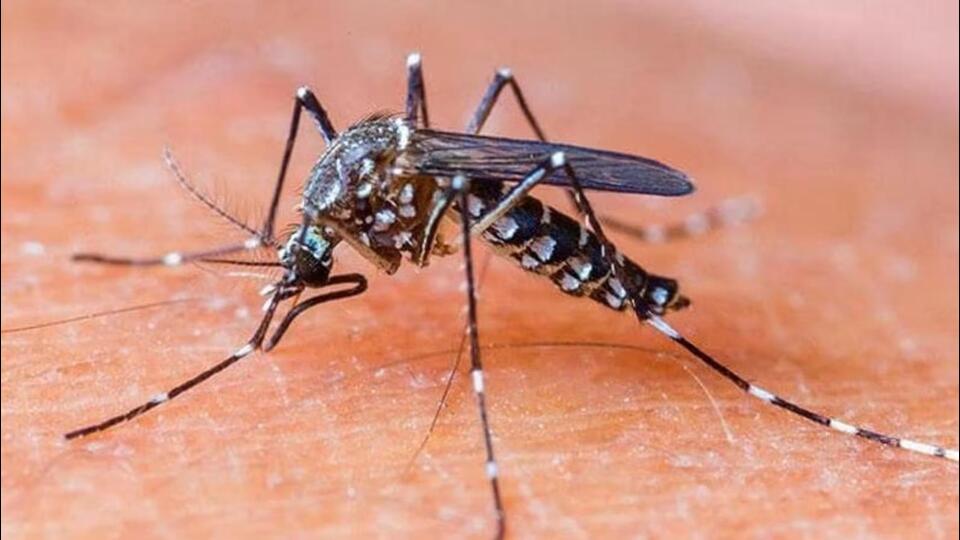
Daily dengue cases are already on a downturn in Chandigarh, Mohali and Panchkula.
Experts explain that lower temperatures make it more difficult for mosquitoes to survive, as the ideal temperature range for dengue transmission is between 18–31°C.
In Chandigarh, the daily cases have already dropped from double to single digit. So far this year, the city has reported 294 dengue cases.
According to a senior officer from the UT health department, the cases are gradually decreasing since last week and further decline is expected in the coming week.
Dr Sandeep Jain, district medical officer, Panchkula said, “July to November is considered as dengue period, when the vector breeds and spreads virus. Currently, the cases are dipping. Temperature is one factor.”
In Panchkula, 1,304 total dengue cases have been reported this season, with three deaths. On Saturday, only one fresh positive case was reported. During peak time, the daily average was above 20.
In Mohali, so far nearly 10,000 samples have been collected, with 1,468 testing positive, highest not only in tricity but even Punjab.
But compared to 50-60 case daily a week ago, with Balongi area being the hotspot, on Sunday, only seven new cases were reported from the district.
Last year, Mohali and Panchkula had recorded 953 and 689 cases, respectively, by November 1, while Chandigarh’s tally remained the lowest at 454.
This year, doctors have observed a prevalence of the Denv-2 strain, marked by severe symptoms like high fever, vomiting, sore throat, red spots on the chest and headache. Unlike Denv-1, which typically involves fever and body aches, Denv-2 poses a greater risk. Due to the similarity of symptoms between dengue and viral fever, doctors advise patients with prolonged fever (over three days) to get an antigen or antibody test.


