
 E-Paper



Chandigarh MC tightens purse strings to make space for development
For the fiscal year 2025-26, the cash-strapped civic body had approved an annual budget of ₹2,114 crore, heavily banking on additional funds under the Centre’s fourth Delhi Finance Commission (DFC) recommendations

 Prefer HTon Google


The Chandigarh municipal corporation (MC) is set to slash its annual expenditure by nearly ₹50 crore this fiscal year through a series of cost-cutting measures aimed at improving efficiency, curbing wasteful spending, and creating fiscal space for long-pending development works that have been stalled since May last year.
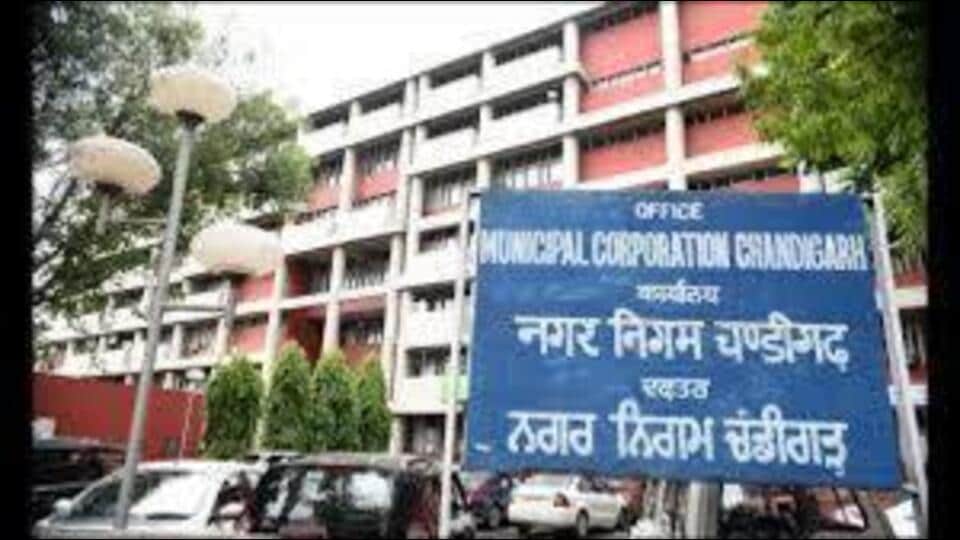
For the fiscal year 2025-26, the cash-strapped civic body had approved an annual budget of ₹2,114 crore, heavily banking on additional funds under the Centre’s fourth Delhi Finance Commission (DFC) recommendations. However, the UT administration sanctioned only ₹625 crore as regular grant, while MC projected ₹410 crore revenue from its own sources.
To ease the financial crunch, the Centre provided an additional ₹125 crore, taking total receipts to around ₹1,160 crore. Despite this, the corporation continues to struggle, weighed down by committed liabilities of ₹1,000 crore, including salaries, pensions, and electricity and water bills. This has left little scope to clear the ₹200-crore deficit from the last fiscal and resume halted projects.
However, to restore its financial health, the MC had taken several initiatives that included rationalising manpower, streamlining departments, striking better price deals for sanitation and waste management services, and scaling down expenditure on cultural activities. These measures are collectively expected to save around ₹50 crore this fiscal.
In a major move, the corporation has saved nearly ₹20 crore per annum through manpower rationalisation. Over the past eight months, it has terminated the services of 332 tubewell operators, 90 firemen, 33 employees hired during the Covid-19 pandemic, nine sanitary inspectors, and about 200 contractual employees above the age of 60.
Another ₹15 crore saving is expected from awarding sanitation work in the city’s southern sectors to a new firm, alongside a major overhaul of the GIS-based mechanised and manual sweeping system. Under the revamped contract, the private agency will also be responsible for cleaning neglected vacant spaces along roads, despite significantly reducing the monthly bills.
The civic body is also cutting costs in waste management. By partnering with Indian Oil Corporation Limited (IOCL) to process the city’s wet waste into compressed biogas (CBG) free of cost, and roping in other agencies to handle horticulture and dry waste at reduced rates, MC expects to save another ₹5 crore annually.
Besides, the corporation has decided to hand over gaushala maintenance to NGOs free of cost, reduce fuel expenses, cutting ‘entertainment charges’ of MC officials by 50%, and invite corporate sponsors for its flagship cultural festivals such as the Rose Festival and Chrysanthemum Show, which have traditionally drained the exchequer.
Municipal commissioner Amit Kumar said financial management has become critical for the civic body. “To improve the situation, we had two options—increase revenue and cut down on expenditure. We have been successful in doing both. We are eyeing a 25% increase in revenue from our own resources by the end of this fiscal, including property tax, advertisement, parking fee, electricity cess, and more,” he said.
“On the expenditure side, we have focused on rationalising manpower, making waste management affordable and effective, and trimming non-essential costs. We are on the path to save ₹50 crore this fiscal, so that the money can be utilised more judiciously to resume development works for public welfare,” Kumar added.


