
 E-Paper



Chandigarh municipal corporation uses hot water tech to fix decades-old sewer woes
The initiative comes after the UT administration rejected the MC’s proposal to overhaul the entire 600-km-long sewer network at a cost of ₹600 crore


In a first, the Chandigarh Municipal Corporation (MC) has started using the CIPP (Cured-In-Place Pipe) liner method—employing hot water or steam—to clean, rehabilitate, and strengthen the ageing sewer network. The civic body has allocated ₹14 crore for the first phase, which will de-silt and reline approximately 10 km of pipelines. The initiative comes after the UT administration rejected the MC’s proposal to overhaul the entire 600-km-long sewer network at a cost of ₹600 crore, compelling the corporation to take up the massive task in a phased manner over the next five years.
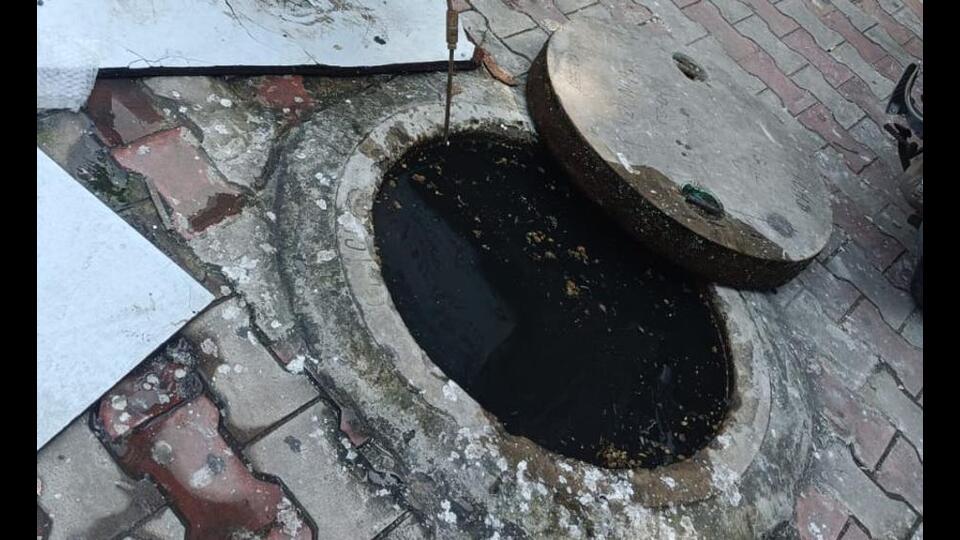
Officials said the project includes large-scale de-silting, structural lining, and repair of pipelines weakened by decades of use, heavy traffic, and repeated damage from other utility agencies. While work for the first phase has been allotted, tenders for another ₹6 crore worth of work are in progress. Officials said that CIPP lining is a trenchless technology that allows old or damaged pipes to be repaired without excavation. A flexible resin-coated liner is inserted into the existing pipe and hardened using hot water, steam, or UV light, creating a durable, smooth inner pipe that extends the system’s life by several decades.
Chandigarh’s sewer network, dating back to 1955, was originally designed for a much smaller population. Over the decades, the city has expanded rapidly, but the sewer lines have not been upgraded accordingly. Many stretches have suffered multiple damages and, despite patch repairs, the overall system is now highly stressed.
Officials highlighted that pipelines running under roads, trees, and even buildings pose additional repair challenges. Reduced pipe volume has caused frequent bursts, foul odors, and sewage overflow, which worsen during the monsoon, sometimes leading to road cave-ins. This project marks the first large-scale cleaning and rehabilitation effort of the city’s sewer system. Until now, the MC only carried out routine repairs for leaking or damaged sections.
The city’s 58 sectors (1–56, 61, and 63), covering 114.5 sq km, and 22 peripheral villages are connected to the central sewerage grid. Sewage is directed to treatment plants at Diggian, 3 BRD, Raipur Khurd, Raipur Kalan, Maloya, Dhanas, and Kishangarh. Alongside sewer lines, three other underground networks flow beneath the city—water supply, stormwater drains, and communication cables.
Faced with the deteriorating condition of its sewers, the MC weighed two options—replace the entire network or strengthen the existing one. “Full replacement is unfeasible due to the high cost, limited space, and years-long disruption it would cause. Digging up roads for new pipes and resurfacing them would make the project financially and logistically unsustainable,” said an official.
“Rehabilitation through the CIPP liner method is a more viable alternative. After studying similar projects in Delhi, we found this method most effective for strengthening old pipelines without full replacement,” the official added.


