
 E-Paper



Chandigarh PGIMER gets country’s first HR-pQCT scanner
The high-resolution peripheral quantitative computed tomography scanner at PGIMER, Chandigarh, will be used in early diagnosis of bone disorders

 Prefer HTon Google


The endocrinology wing of the Nehru Hospital Extension Block of the Post Graduate Institute of Medical Education and Research (PGIMER) is now equipped with country’s first high-resolution peripheral quantitative computed tomography (HR-pQCT) scanner, which will be used in early diagnosis of bone disorders.
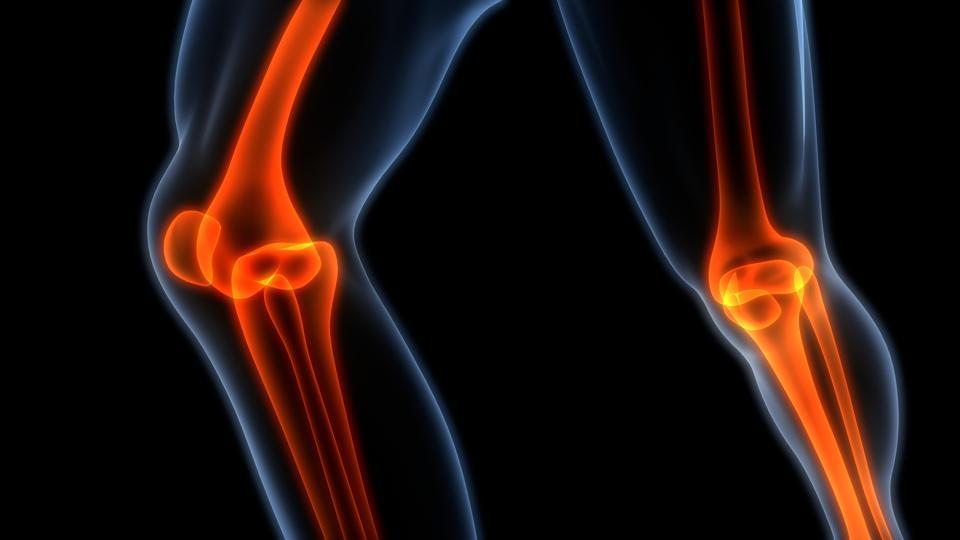
The machine, worth ₹5 crore, has been imported from Switzerland and provides minute details on bone quality and mass, and architectural details comparable to a bone biopsy. Bones scanned using the scanner are usually in the forearm and leg. A HR-pQCT scan emits much less radiation than a standard Chest X-ray.
It was inaugurated by PGIMER director Dr Jagat Ram in the presence of Kumar Gaurav Dhawan, deputy director (administration); Dr Sanjay Bhadada, head, endocrinology department and other senior faculty members.
Dr Ram said, “The HR-pQCT machine is non-invasive and gives quick results on diagnosis of bone disorders, unlike bone biopsy which is invasive, painful and time-consuming. Also, when a patient undergoes CT scans, the machine produces high radiation, but this advanced technology won’t. This treatment option opens a new avenue in PGIMER, not only in patient management but in clinical and basic research.”
While detailing the multi-pronged usage of the scanner, Dr Sanjay Bhadada said, “HR-pQCT is useful for the early diagnosis of multiple bone disorders like osteoporosis, primary hyperparathyroidism, steroid induced bone damage, bone disease in diabetes, celiac disease, transplant bone disease, bone disease associated with malignancy, bone disease in thyroid and pituitary disorders and other rare metabolic diseases.”
Dr Bhadada added, “Early diagnosis of bone diseases can help prevent future fractures. Also, HR-pQCT can be used to monitor improvement in bone health following initiation of treatment which can be picked up as early as three months. Besides, HR-pQCT will help us conduct advanced research in the field of bone disorders.”


