
 E-Paper



Chandigarh powermen’s strike put 40 lives at risk: Probe
Panel constituted by Chandigarh administration states amid the strike on February 22, both dedicated electricity lines at GMCH-32 went down, leaving 40 patients on ventilators at the mercy of power back-up systems

 Prefer HTon Google


The power outages on February 22 during the UT Powermen Union’s strike against privatisation could have cost the city 40 lives or more.
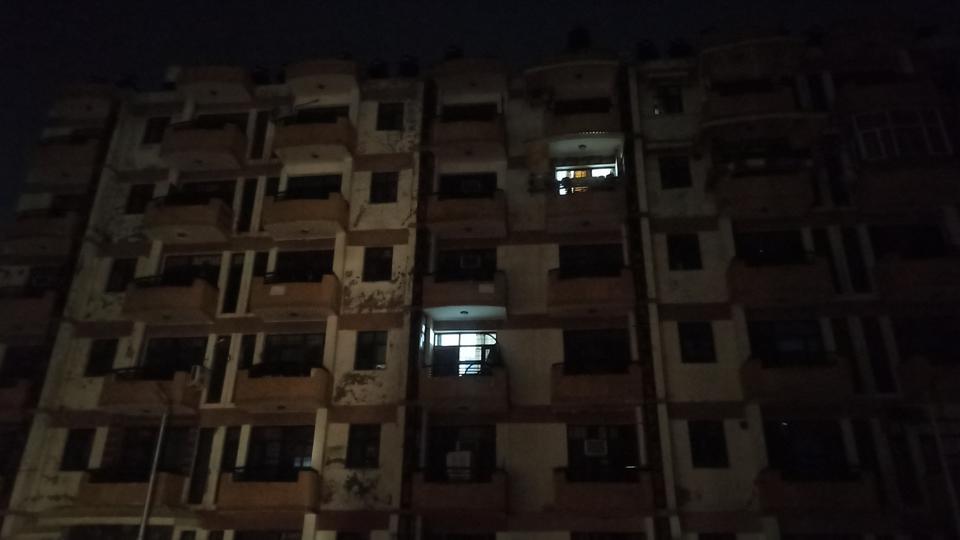
When the pan-city power disruption took place on the intervening night between February 21 and 22, both the dedicated electricity lines to Government Medical College and Hospital (GMCH-32) stopped functioning.
“At the time, there were 40 critical patients on ventilators and yet more on other life-support systems. For nearly five hours, the entire hospital was left dependent on the power back-up system,” stated the preliminary findings of the committee set up by the UT administration to examine the poweroutages to GMCH-32 and Government Multi-Specialty Hospital (GMSH), Sector 16, during the strike that continued till February 23.
The power outages started at GMCH-32 with one power line snapping at 12.15am on February 22. Within five minutes, the second line also stopped working.
Incidentally, the disruptions were concurrent with the powermen’s strike that also began on the midnight of February 21.
“The electricity generator at the hospital, which swung into action after power disruption, can run only as a back-up and it doesn’t serve as the main power supply. It is only a temporary solution. What if the generator had failed or there was a problem? If there was even a minor glitch, we could have lost the lives dependent on ventilators and other ICU support systems,” said a member of the committee, requesting anonymity.
In the aftermath of the strike and getting a rebuke from the Punjab and Haryana high court for its failure to minimise the adverse impact of the strike, the UT administration had constituted a committee to scrutinise the lapses that led to the power failure at the two hospitals and to investigate the power disruptions in the rest of the city.
The committee is headed by the UT health secretary, and comprises the two hospitals’ medical superintendents and an electrical executive engineer.
The committee held its first meeting on Tuesday and on Wednesday will start taking statements of different officials.
“The committee will go into how the power was disrupted for so long at the two-premier healthcare institutions for so long. Evidence regarding sabotage will be examined and accountability of officials responsible for it will be fixed,” said the committee’s member.
For over 40 hours, lakhs of residents across Chandigarh were forced to experience life without electricity and water supply as the powermen proceeded on strike. Apart from health services, industry, businesses and educational institutions also suffered major disruptions. Acting eventually, the administration had imposed the Essential Services (maintenance) Act and called the army for help.
Another employee protest in the offing
Six employee federations under the banner of Sanyukt Karamchari Morcha will be holding a meeting on Wednesday to decide its future strategy to protest the administration’s action against electricity department employees.
Employee unions of different UT departments and MC have demanded withdrawal of penal action issued against various power department staffers, following their strike against privatisation.
The administration has already suspended two junior engineers, who were supervising electricity supply of GMCH-32 and GMSH-16 when the strike started.
Other action initiated by the administration includes termination of services of 17 outsourced workers, FIRs and show-cause notices to multiple regular employees.
If their demands are not accepted, the unions have threatened a joint agitation, which may also include a call for strike. The morcha claimed its attempts to meet senior UT officials failed on Monday.
Meanwhile, the All India Unorganised Workers and Employees Congress has come out in favour of the unions and condemned the move to privatise the electricity department.


