
 E-Paper



Chandigarh: Submit suggestions to MC on waste mgmt rules within 15 days
The move follows Supreme Court directions, making it mandatory for the corporation to notify updated bylaws in line with the Solid Waste Management (SWM) Rules, 2026

 Prefer HTon Google


A fortnight after the General House of the Municipal Corporation approved the Solid Waste Management-2026 bylaws, the civic body has invited suggestions and observations from the people within 15 days.
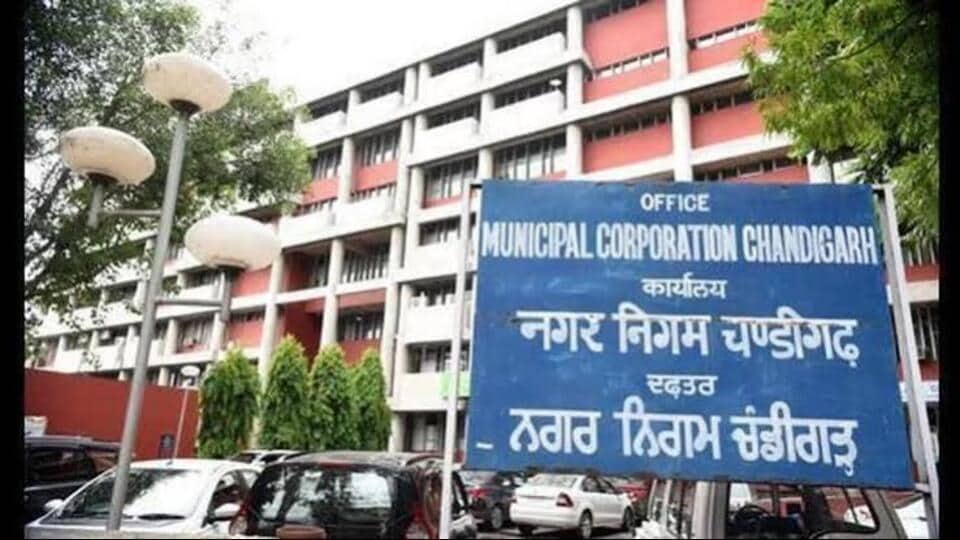
Once implemented, the bylaws are will mark one of the most significant reforms in the city’s waste management framework in recent years. The move follows Supreme Court directions, making it mandatory for the corporation to notify updated bylaws in line with the Solid Waste Management (SWM) Rules, 2026.
On July 31, the House had rejected the provision for a hike in user charges across various categories under the fresh rules. The increased fines under various categories for violations were approved. The penalties are as high as ₹1.5 lakh for bulk waste generators and resident welfare associations. After receiving public feedback, a final draft will be prepared.
The current draft was passed following a heated debate as councillors raised a plethora of issues related to garbage disposal in the city, especially the mess created by street vendors.
Four-bin segregation
According to the approved draft, a central feature of the proposed bylaws is mandatory segregation of waste at source. Every waste generator will have to separate waste into four streams — wet or biodegradable waste, dry or recyclable waste, domestic hazardous waste and sanitary waste — before handing it over to authorised collectors. Bulk waste generators will be required to segregate horticulture waste and construction waste separately and process biodegradable waste on-site wherever required. The bylaws prescribe colour-coded bins and prohibit mixing of segregated waste at any stage of collection or transportation.
The proposal also strengthens enforcement provisions by empowering the MC to levy user charges, environmental compensation and penalties for violations such as littering, open burning, illegal dumping, failure to segregate waste, non-registration, unauthorised transportation and non-compliance by bulk waste generators or commercial establishments.
Responsibilities of street vendors
According to the provisions, every street vendor shall keep containers for storage of garbage, including food waste, disposable plates, cups, cans, wrappers, coconut shells, leftover food, vegetables, fruits, etc., and shall deposit the same at waste storage depot or container or vehicle as notified by the MC.
The provisions also mandate that every barber shop, beauty salon, parlour and similar establishment shall collect and store hair and other biodegradable grooming waste separately in covered containers, and used blades and other hazardous waste separately and hand over the same to the authorised waste collector or designated processing facility.
More accountability
Bulk waste generators, including residential complexes, institutions, hotels, hospitals and commercial establishments will be required to register with the MC, establish systems for segregation, ensure scientific processing of biodegradable waste, maintain records, comply with Extended Bulk Waste Generator Responsibility norms and pay user charges where applicable. The MC will also issue responsibility certificates and monitor compliance.
For commercial establishments, scrap dealers and waste traders, compulsory registration has been proposed. They will have to maintain hygienic premises, prevent littering, store recyclable material scientifically, ensure no burning of waste, allow inspections and maintain records. Unauthorised storage or handling of waste and disposal in public places will invite penalties.
Residents’ responsibilities specified
Every individual will be responsible for preventing littering, ensuring segregation at source and handing over waste only to authorised collectors. Event organisers are required to make arrangements for waste collection and post-event cleaning, while textile waste generators have also been brought within the regulatory framework for separate collection and authorised disposal.


