
 E-Paper



Chandigarh: Sukhna Wetland on road to get Ramsar tag
The proposal will be sent to the ministry of environment, forest and climate change for onward action, in consultation with the ministry of external affairs and the Ramsar Secretariat

 Prefer HTon Google


In a major push for its conservation, the Chandigarh administration has cleared a proposal to designate the Sukhna Wetland as a Ramsar site.
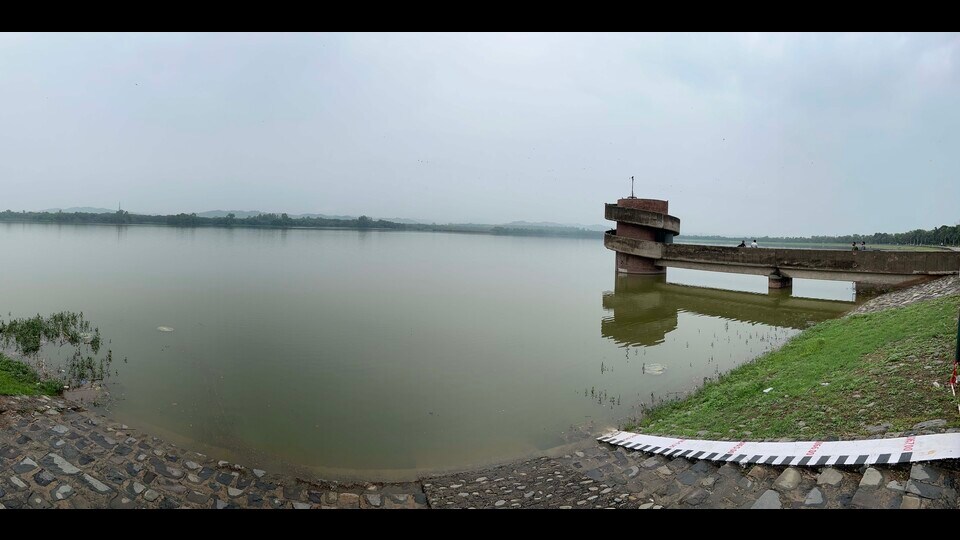
If accepted, this will make it the first Ramsar site in Chandigarh, granting international recognition and elevating Sukhna’s global profile by highlighting its ecological and cultural importance.
The proposal will be sent to the ministry of environment, forest and climate change for onward action, in consultation with the ministry of external affairs and the Ramsar Secretariat.
Ramsar Secretariat is the permanent, coordinating body of the Ramsar Convention on Wetlands, an international treaty for wetland conservation, based at the International Union for Conservation of Nature headquarters in Gland, Switzerland.
A Ramsar Site is a wetland site designated of international importance under the Ramsar Convention, an intergovernmental treaty adopted in 1971 in Ramsar, Iran. The convention came into force in India on February 1, 1982.
The decision regarding the proposal came at the fourth meeting of the State Wetland Authority, chaired by UT administrator Gulab Chand Kataria on Friday.
Alongside, the authority also approved a ₹22.5-crore five-year Integrated Management Plan for the wetland, prepared by the UT forest department in consultation with World Wildlife Fund (WWF) and other agencies.
The plan outlines measures for protection, conservation and scientific management of Sukhna, and will be sent to the Union environment ministry for funding under the National Plan for Conservation of Aquatic Ecosystems (NPCA).
During the meeting, the administrator directed departments to ensure time-bound action for conserving Sukhna Lake and other water bodies across the city. The meeting was attended by the chief secretary, home secretary-cum-forest secretary, senior UT officers, and experts from the Wildlife Institute of India (WII), Dehradun, and WWF.
Spread across 565 acres, Sukhna Wetland was declared a national wetland in 1988 by the Union Ministry of Environment and Forests. The adjoining catchment area, spanning 10,395 acres, was notified as the Sukhna Wildlife Sanctuary Wetland.
Ramsar site benefits
Provides international recognition for long-term conservation and sustainable use.
Safeguards biodiversity and critical ecological functions.
Elevates the wetland’s global profile, and highlights its ecological and cultural importance.
Encourages awareness and active participation from local rural and urban communities.
Attracts national and international funding, and technical support.
Enhances opportunities for eco-tourism and environmental education, benefiting local economies.
Strengthens policy frameworks and institutional support for wetland protection and wise use.


