E-Paper



Chandigarh’s air quality worsens as farm fires rage in Punjab
UT director of environment and member secretary of Chandigarh Pollution Control Committee TC Nautiyal said stubble burning in either Punjab or Haryana contributes to pollution in Chandigarh

 Prefer HTon Google


Chandigarh’s Air Quality Index (AQI), which had remained mostly in the satisfactory range (between 51-100), turned worse after air pollution spiked on Monday amid a rise in stubble-burning cases in adjoining areas of Punjab. While the AQI is yet to cross the 200-mark (poor) in the city, officials say that early trends are not looking good for the city pollution-wise.
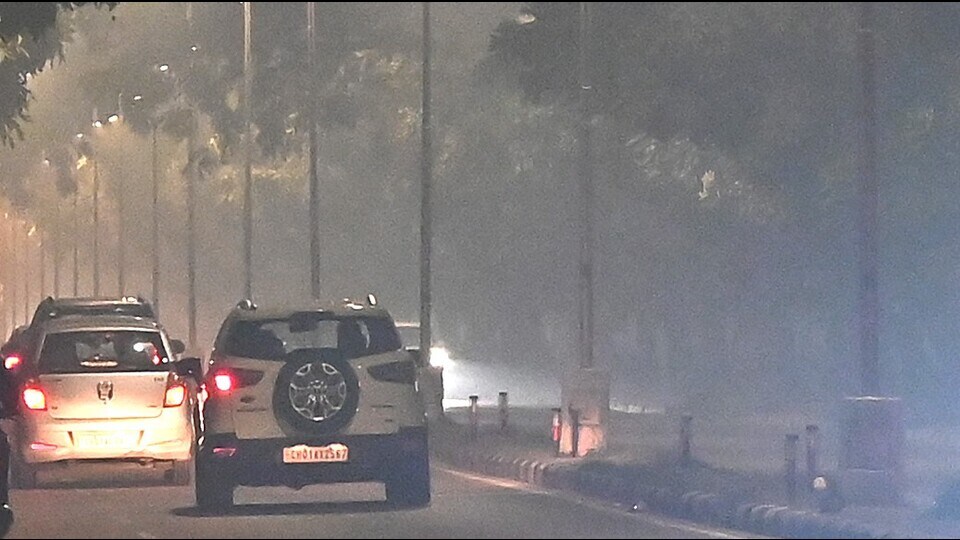
The AQI on Monday evening was worst at the Sector-22 Continuous Ambient Air Quality Monitoring Station (CAAQMS). In just 24 hours it had doubled, while the chief pollutant here was ozone. AQI was also in the moderate range (between 101-200) at the other two stations with AQI at 126 in Sector 53 and 104 in Sector 25. When AQI is at moderate, it can cause breathing discomfort to people with lungs, asthma and heart diseases as per the Central Pollution Control Board (CPCB).
While the AQI started to improve later in the evening, it can get worse in the coming days. Punjab Pollution Control Board (PPCB) officials said 68 cases of stubble burning were recorded on Monday and 940 cases have been recorded in the season. Due to the start of the paddy harvesting season, there has been a spike in cases in recent days. UT director of environment and member secretary of Chandigarh Pollution Control Committee TC Nautiyal said stubble burning in either Punjab or Haryana contributes to pollution in Chandigarh.
“We are working on spreading awareness about air pollution, especially before Diwali. We are launching a campaign that even as green crackers are allowed in the city, but people should still avoid bursting them. We will keep a check on farm fires as well. If AQI can remain below 250-300 this Diwali, then we will be successful,” he said.
India Meteorological Department (IMD) Chandigarh director Surender Paul said the temperature is still high for the AQI to become adversely affected. “When nights become colder, a layer of pollution forms in the air, which leads to poor air quality in the city. Right now, the temperature is still a little on the higher side and north-westerly winds are active and keeping the pollutants from depositing too much in the air,” he added.
After falling almost daily, the minimum temperature rose slightly from 19.5°C on Sunday to 20.1°C on Monday, 2.2 degrees above normal. Maximum temperature meanwhile fell from 33.8°C on Sunday to 32.8°C on Monday, 1.1 degrees above normal. In the next three days, the maximum temperature will remain around 33°C while the minimum temperature will remain around 20°C.