
 E-Paper



Crop-cutting experiments: Punjab agri dept reports 1.4-quintal a hectare jump in paddy yield
During the 2024 kharif season, at least 2,174 crop-cutting experiments were conducted by the department out of which the results of 1,863 experiments have been received. The average yield reported has been 6,878kg per hectare, which is up from 6,740 kg per hectare during the 2023 kharif season.


The results of crop-cutting experiments conducted by the Punjab agriculture department have shown an increase in average paddy yield, up to 1.4-quintal per hectare, this kharif season.
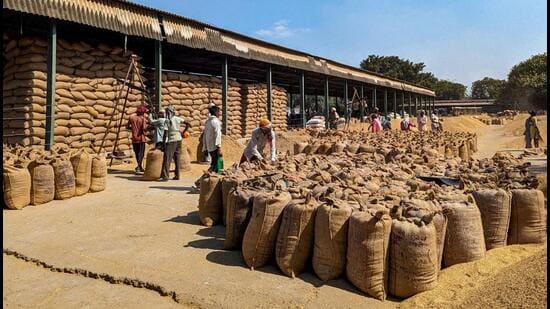
This season paddy has cultivated over 32 lakh hectares and the total yield is expected to cross 230 lakh tonnes.
During the 2024 kharif season, at least 2,174 crop-cutting experiments were conducted by the department out of which the results of 1,863 experiments have been received. The average yield reported has been 6,878kg per hectare, which is up from 6,740 kg per hectare during the 2023 kharif season.
This figure includes both non-basmati and basmati varieties of paddy. Currently, 97% of the paddy harvesting has been completed in the state and wheat cultivation has started.
Sharing information about the ongoing wheat sowing in the state, the agriculture minister Gurmeet Singh Khudian said that so far 27 lakh hectares have been cultivated and the target is to have 35 lakh hectares under wheat.
“The figures indicate that the sowing process is progressing well, with approximately 77% of the target area already cultivated. The remaining area is expected to be sown before the end of this month,” he said hoping that the season’s schedule stays on track.
Giving updates on the current status of fertilisers, Khudian stated that the state currently has a total availability of 4.20 lakh tonnes of di-ammonium phosphate (DAP) and 55,000 tonnes of other phosphatic fertilisers, as alternatives to DAP for the current rabi sowing.
“The availability is against a total requirement of 4.82 lakh tonnes of DAP. This means that around 99% of the required DAP and other phosphatic fertilisers are available in the state,” said the minister.
He added that the state government has requested an additional 10,000 tonnes of DAP in the coming 3-4 days, and about 44,000 tonnes of DAP is currently in transit.


