
 E-Paper



Delayed winter: Initial estimates point to dip in avian guests’ count in Punjab wetlands
Annually, the department of forests and wildlife preservation collaborates with bird experts, enthusiasts, academic institutes, NGOs and volunteers to conduct a comprehensive waterbird census across these wetlands


The delayed start of the winter season has led to a decline in the number of migratory birds as per the initial trend, wildlife experts said on Tuesday.
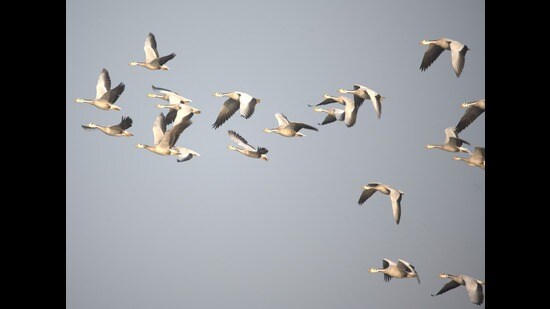
Punjab has a total of seven protected wetlands of which six — Harike Wildlife Sanctuary, Nangal Wildlife Sanctuary, Ropar Conservation Reserve, Kanjli Wetland (Kali Bein Conservation Reserve), Beas River Conservation Reserve and Keshopur-Miani Community Reserve – have been declared as Ramsar sites (the wetlands of international importance) while Ranjit Sagar Dam Conservation Reserve has been recognised as a national wetland. These wetlands are biodiversity hotspots and home to both migratory and resident waterbirds.
Annually, the department of forests and wildlife preservation collaborates with bird experts, enthusiasts, academic institutes, NGOs and volunteers to conduct a comprehensive waterbird census across these wetlands. This year also the department is gearing up for the annual census of Punjab’s major wetlands in January and February 2024.
“While the collective count of migratory waterbirds in the Ramsar sites cannot be ascertained until the census exercise is complete, preliminary internal exercises of the department of forests and wildlife preservation and WWF-India indicate a decline in numbers compared to previous years”, said Gitanjali Kanwar, coordinator of aquatic biodiversity in WWF.
Notable species such as Sandpipers, Godwits, Plovers, Gulls, Terns, Eurasian Coot, Gadwall, Northern Pintail, Red-crested Pochard, Common Pochard, Eurasian Wigeon, Ruddy Shelduck, Common Teal, Spoonbills, Grey Lag, Bar-headed Geese, and Painted Storks contribute to the current diverse avian observable in these wetlands.
She further said, “The wetlands of Punjab are particularly renowned for hosting dabbling and diving ducks, and this year has seen a relatively small number of Anatidae, the biological family encompassing ducks, geese, and swans. The monitoring teams will continue their watch over these waterbirds until their anticipated departure in March-April 2024. While the current observations suggest a lower count than in previous years, there is an optimistic expectation of an increase in numbers in the coming weeks”.
“This is the onset of the season. Winter season started late this year. This is the main reason being considered behind the dip in the count at the initial stage. The number is expected to increase,” said Lakhwinder Singh, district forest and wildlife officer, Ferozepur range, under which Harike wetland falls.


