
 E-Paper



FCI to make steel silos for foodgrain storage at 26 sites in Punjab
In a first-of-its-kind move, Food Corporation of India (FCI) has launched a plan to construct steel silos for foodgrain storage at 26 different locations in Punjab as a composite unit and shall be allotted to a single company

 Prefer HTon Google


In a first-of-its-kind move, the Food Corporation of India (FCI) has launched a plan to construct steel silos for foodgrain storage at 26 different locations in Punjab as a composite unit and shall be allotted to a single company.
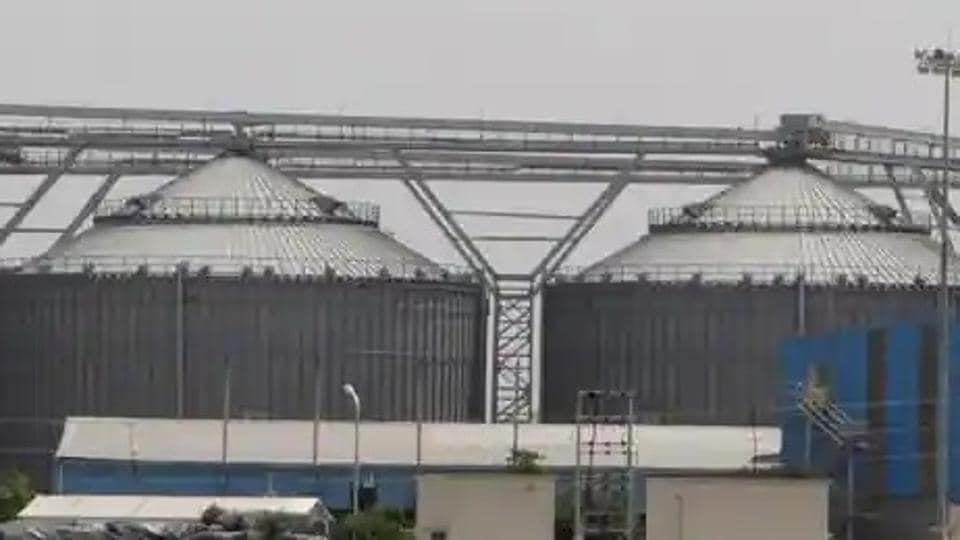
As per a tender document floated in June by the FCI, the total capacity of the proposed silos in the state is about 11 lakh tonnes to be built at a total cost of ₹881 crore on a build-own-operate (BOO) system.
The proposal has invited criticism from a section of foodgrain storage godown owners as according to them, the proposal will be a roadblock for small entrepreneurs. However, the FCI wants to put an end to operational hassles. It said if not a single company, a consortium could be formed by the smaller entities. Under the new scheme, the FCI offers a storage guarantee for a period of 30 years.
“The government wants to push out small entrepreneurs as they are curtailing guarantees but for new entrants, long-term storage guarantees are offered,” said a godown owner from Punjab.
Tuesday was the last day for receiving queries and August 8 is the final day for the opening qualification proposals to be followed by the opening of financial proposals for which the date will be announced later.
Punjab already has an existing silos capacity of 6.25, out of which Adanis has a 2 lakh tonnes capacity silo in Moga, the state government’s procurement agency Pungrain has a silos capacity of 2 lakh tonnes, and other private companies operate steel silos in Patiala (one lakh tonnes capacity), Sangrur (50,000 tonnes), Barnala (50,000 tonnes) and Kotakpura (25,000 tonnes).
Two more silos of 50,000 tonnes capacity each are coming up in Chheharta and Batala. Apart from this, the state has covered storage godowns spread out across the state with a total capacity of 156 lakh tonnes and there is also covered area plinths (CAP) storage of 68 lakh tonnes.
The Centre wants to end CAP storage which is practically storage in open, covered with tarpaulin exposed to the vagaries of weather and curtailing the shelf-life of the grain. In steel silos, the grain could be preserved for a longer time, at least two years.
Punjab being the producer state has got lion’s share in terms of the storage space as the FCI has rolled out a proposal for the total storage for 24.75 lakh tonnes of foodgrain to be built in Haryana, Bihar, Uttar Pradesh, Jammu and Kashmir, Gujarat and Maharashtra.
“It is a composite tender for all the locations in a particular state for which land has to be bought at all locations separately. As per our benchmark for building one lakh tonnes storage capacity, 12 acres of land is required. The bidders will have to arrange a total of 130 acres across the locations,” said a general manager-rank officer of the FCI based at Delhi headquarters.
Union minister meets Punjab civil supplies dept officials
In a meeting with the Union minister for food and public distribution, Piyush Goyal, the officers of the food and civil supplies department, Punjab, on Tuesday listed good practices to be adopted from the upcoming foodgrain procurements. “We have decided to monitor power consumption at all 4,100 paddy shelling mills to check pilferage to make sure that the mills are shelling the same amount of paddy allotted to them and not adding up recycled rice brought from the outside states,” said state’s secretary food and civil supplies Gurkirat Kirpal Singh. He made the presentation before the Union minister, who was on a personal visit to Panchkula and decided to meet the food department officers of Punjab and Haryana.


