
 E-Paper



Punjab, Haryana race to restore water, electricity supply as floodwater recedes
With floodwaters receding in many areas of Punjab , authorities have started working on resumption of electricity and delivering regular drinking water supply


With floodwaters receding in many areas of Punjab , authorities have started working on resumption of electricity, delivering regular drinking water supply, and repairing the damaged infrastructure in flood-hit areas, officials said on Sunday.
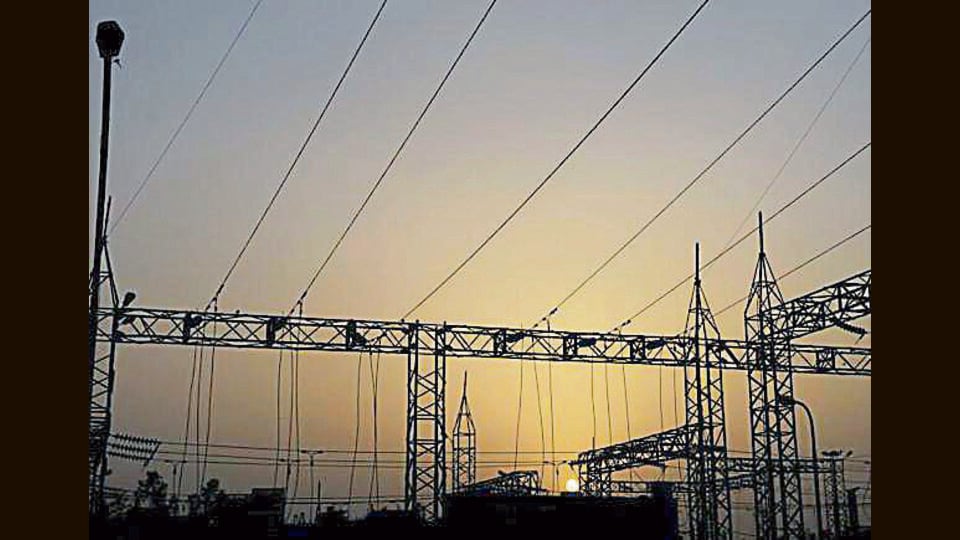
Authorities were still engaged in relief work in several places including Sangrur and Patiala districts of Punjab, and plugging breaches in ‘dhussi bundhs’ (earthen embankments) that have come up along the Ghaggar River.
Punjab education minister Harjot Singh Bains on Sunday said schools, which were ordered closed till Sunday, will reopen from July 17.
Several districts of Punjab were battered by heavy downpour last week that has left normal life paralysed and flooded vast tracts of residential and agricultural land. At least 29 people have died in rain-related incidents in Punjab.
Over 25,000 people have so far been evacuated to safer places from waterlogged areas in various flood-hit districts of Punjab.
The floods caused by rain have affected 14 districts in Punjab. The districts are Patiala, Moga, Ludhiana, Mohali, Jalandhar, Sangrur, Pathankot, Tarn Taran, Ferozepur, Fatehgarh Sahib, Faridkot, Hoshiarpur, Rupnagar and SBS Nagar .
The health department has been asked to take steps to prevent the outbreak of any disease in the flood-affected areas, officials on Sunday said.
Medical camps have been set up in these areas with a stock of medicines to distribute to the people.
Meanwhile, efforts were underway to plug the 40-ft breach that came up along the Ghaggar River in Punjab’s Mansa, officials said.
The breach was formed on Saturday in an embankment near Chandpura bundh in the Budhlada sub-division of Mansa.
The breach has caused water from the river to enter the fields in the district’s Gorakhnath village and it has been feared that it may enter other villages as well. Patiala deputy commissioner Sakshi Sawhney said the administration has started work on resuming the supply of drinking water, restoring electricity, and repairing the damaged infrastructure. “We have gone through a tough situation together and as things slowly return to normalcy, I want to thank each and every person for their patience and cooperation during this time,” Sawhney said to the people of Patiala.
In Sangrur, the Moonak and Khanauri areas were the worst affected with a swollen Ghaggar inundating vast tracts of land. Water supply and sanitation minister Bram Shanker Jimpa had on Saturday said ₹10 crore was being released for the repair of pipes, motors or tubewells, and restoring drinking water supply.
In Punjab, a total of 164 relief camps have been set up where 3,331 people have been sheltered, said officials. A total of 1,390 villages in 14 districts have been affected by floods in Punjab, they said.


