
 E-Paper



Flowers of Tololing battlefield
The Indian Railways paid a befitting tribute to the 18 Grenadiers and 2 Rajputana Rifles who had fought the Tololing battle from May 22 to June 13, 1999; The battle fought against the fiercely-entrenched 6 Northern Light Infantry (SIKKIS-Saifullah) was heralded as the ‘turning point’


An expedition of the Central Railways Adventure Sports Club summited Tololing (15,000 ft) last Monday to mark 25 years of Operation Vijay. The pilgrimage to the Tololing battlefield was in keeping with the series of national events organised at Drass to commemorate Kargil Vijay Divas. It was the first civilian expedition to summit the Tololing peak.
The Indian Railways paid a befitting tribute to the 18 Grenadiers and 2 Rajputana Rifles who had fought the Tololing battle from May 22 to June 13, 1999. The battle fought against the fiercely-entrenched 6 Northern Light Infantry (SIKKIS-Saifullah) was heralded as the ‘turning point’. The fall of Tololing lent the belief to the army that ‘lost Kargil’ could be wrenched back.
It was no mean feat for a civilian expedition to triumph over Tololing by braving the exertions of the climb to the high-altitude battle zone. The railways expedition of nine included a 58-year-old man and two ladies. The expedition was assisted in the climb by the 1/11 Gurkha Rifles and the 104 Engineer Regiment from Drass. It was flagged off from Mumbai on July 17, 2024 by Central Railways GM, RK Yadav.
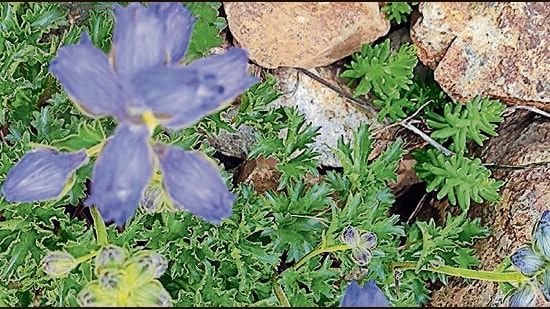
As the expedition members gazed upon the former battlefield after a gut-wrenching ascent of six hours from Drass, they were left astounded at the courage with which the Indian Army had fought a “complexity of challenges without peer in war history”. A quarter of a century later, the flowering shrubs of the alpine zone peeped out from crevices in the ruins of rocks to lend a shy, welcoming smile to the adventurers. To the west of Tololing, the looming massif of Tiger Hill gazed peacefully upon the LoC.
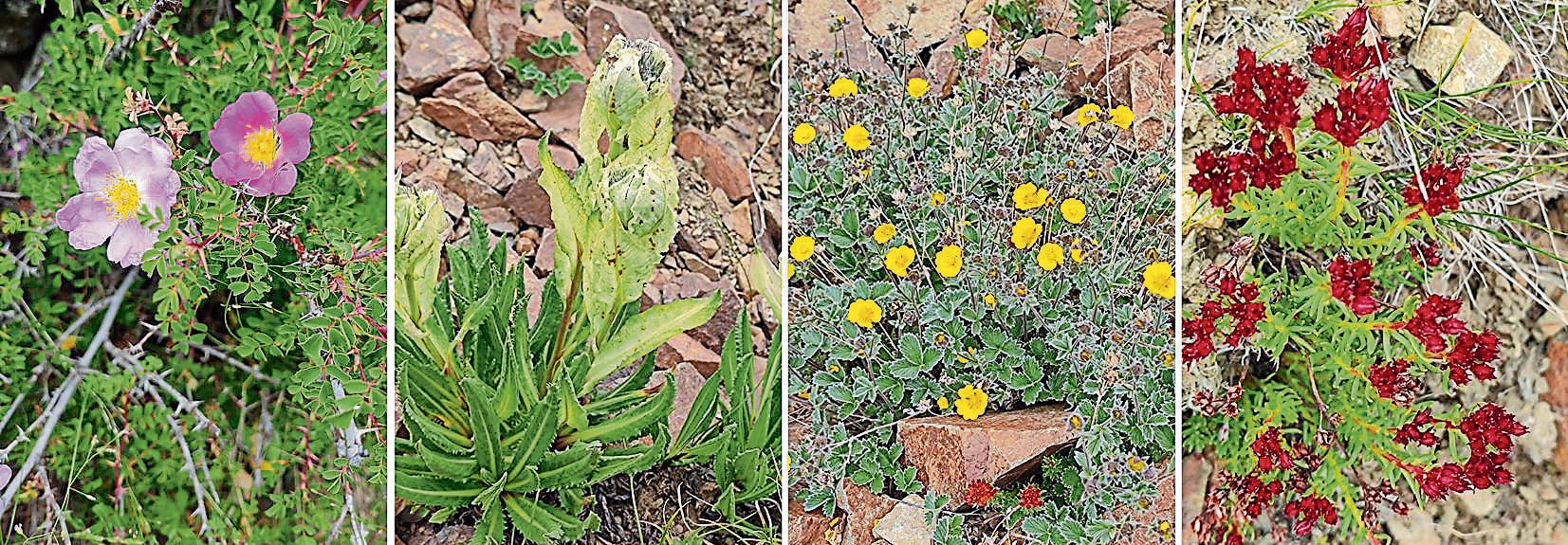
Expedition member Deodatta Deshmukh from Mumbai recalled the Kargil battles from the prism of the flowers that grew from places where soldiers’ blood had once seeped in. “Only when I reached Tololing did I realise what a tough challenge it was for our soldiers who had little food, braved adverse weather and a hail of fire to evict the Pakistanis from well-coordinated defences. The flowers in the Tololing battlefield at 14,000-15,000 ft were blooming beautifully and so freely because it was the blood and sweat of our soldiers that had watered and nourished them. In other words, we the people of India owe our freedom and liberty to our soldiers who safeguard the borders with their blood and never fail in carrying out the task assigned to them,” Deshmukh told this writer.
Deshmukh’s poignant thoughts echoed the spirit of the Polish war song, The Red Poppies on Monte Cassino. The song’s creative origins lay in the World War 2 battle of Monte Cassino (May 1944) won by the Polish Army’s 2 Corps. The lyrics were written by Felix Konarski and set to the melody composed by Alfred Schutz. The song drew upon the spectacle of poppies blazing red upon the slopes of Monte Cassino amid hundreds of bleeding, fallen soldiers. Konarski’s lyrics poetically claimed that the poppies were flushed because they had drunk blood: “Red poppies on Monte Cassino, were drinking not dew but Polish blood…and poppies on Monte Cassino, will be redder having quaffed Polish blood.”


