
 E-Paper



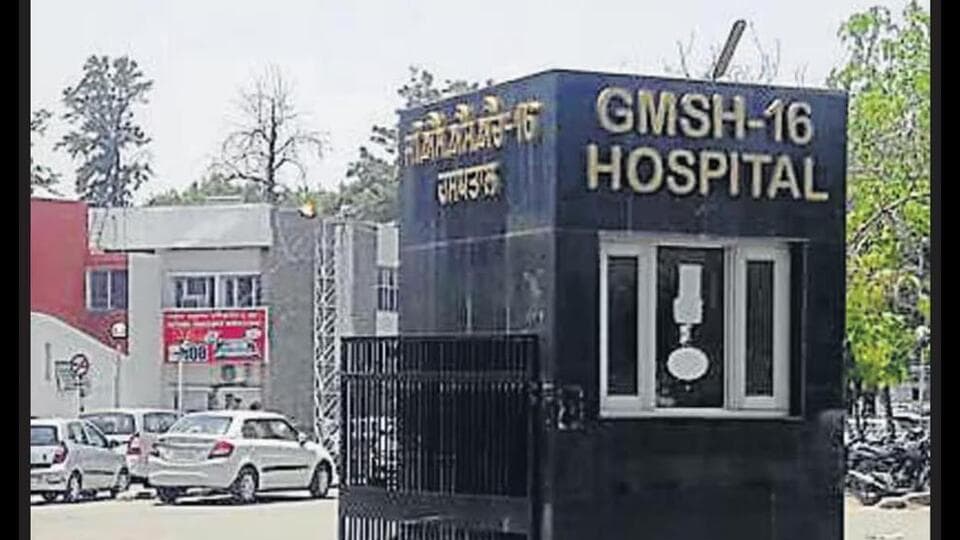
GMSH-16 looking to set up super-specialty block
Originally established in 1952 to serve a population of approximately 5 lakh, the hospital now receives referrals to its various departments from across the region


Aiming to provide better services to patients and reduce dependency on the already overburdened PGIMER, Government Multi-Specialty Hospital (GMSH), Sector 16, has sent a proposal to the UT administration for a super-specialty block.
A super-specialty block typically refers to a healthcare facility that specialises in providing advanced medical care and treatments in specific fields or disciplines.
On average, GMSH-16 daily attends to around 3,000 patients from the region at its out-patient department (OPD). Originally established in 1952 to serve a population of approximately 5 lakh, the district hospital now receives referrals to its various departments from across the region.
The gynaecology department alone handles the highest number, ranging from 350 to 400 patients daily.
A senior official from GMSH expressed, “Although we are a district hospital, our operations resemble those of a medical college. Currently, we are facing overcrowding issues with no available space for expansion. If we consider vertical expansion, it will necessitate relocating several departments, posing logistical challenges.”
“Given our role as a critical referral centre for the region, closing any facility is not feasible. Besides enhancing healthcare facilities and infrastructure in the surrounding areas, the urgent priority is to introduce super-specialty services at GMSH, starting with cardiology, nephrology, and neurology. To advance as a hospital, we have submitted a proposal to the administration for the establishment of a dedicated super-specialty block,” added the official.
Compelled to refer patients to PGIMER, GMCH
Currently, due to the absence of specialty departments, GMSH is compelled to refer patients to PGIMER and GMCH, Sector 32, leading to treatment delays and inconvenience for patients.
The UT health services director is also eager to bridge the gap between government and private hospitals in terms of infrastructure, facilities, amenities and patient care.
To this end, several areas of the hospital are being upgraded and renovated. For the past two months, work has been ongoing on the renovation of the gynaecology private rooms, with around 200 beds being relocated to other parts of the hospital.
The hospital’s emergency department is also being upgraded to improve space utilisation, better bed placement and add modern amenities. This area serves 250 to 300 patients daily, providing 70 beds, with additional makeshift ones created using trolleys and wheelchairs.
During the season of viral fevers, dengue and other seasonal illnesses, the number of patients increases, making the area inadequate to provide the best care.
Plans are also underway to install more powerful lighting, provide oxygen supply to every bed, add pull-in curtains for privacy, create separate entry and exit points, build modern toilets and restructure the entire area, ensuring amenities comparable to those in private hospitals. However, due to space constraints, the Advanced Gynaecology Centre is on hold as the current set-up cannot be relocated.
Several proposals for expansion have been sent to the UT administration.


