
 E-Paper



Guest column | Farmers hit the road again, govt at crossroads
The prospect of a new MSP law, coupled with a revamped procurement system, could adversely affect the original green revolution states, with Punjab being a major player

 Prefer HTon Google


Once again, the roads of Punjab, and neighbouring states are echoing with the resounding footsteps of farmers, signalling a protracted agitation in the periphery of the national capital. Their discontent stems from what they perceive as the government’s failure to implement agreements that concluded the previous protests in 2021. The withdrawal of contentious farm laws was accompanied by a commitment to establish a committee to address remaining issues, particularly the statutory guarantee of the Minimum Support Price (MSP) for crops as declared by the government. However, the emphasis has shifted more towards guaranteeing MSP rather than delving into the formulation of the MSP, creating a point of contention.
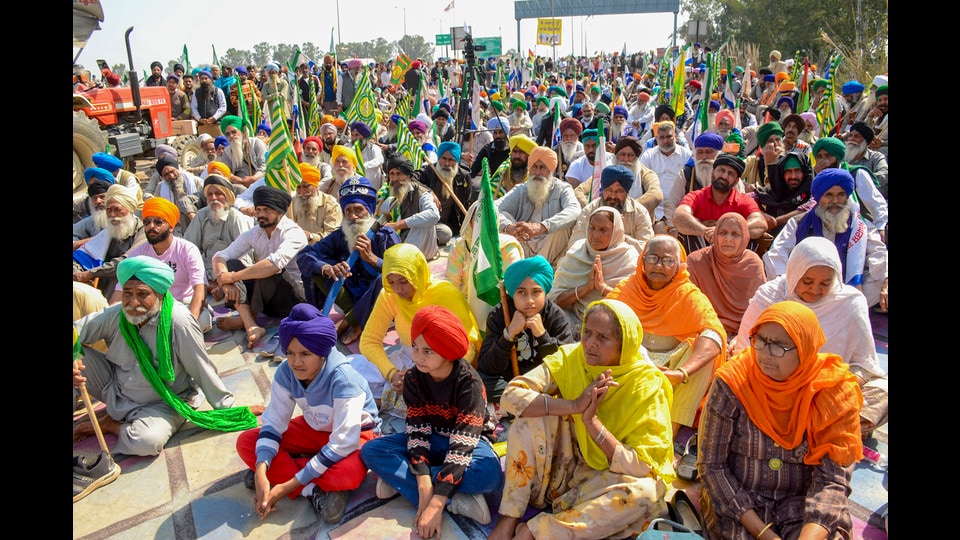
Beyond the agricultural community, the repercussions of these protests have permeated the lives of the common populace, generating anxiety. The impact on daily lives, coupled with concerns in trade and industry over unaccounted losses, has fostered an atmosphere of uncertainty. Apprehensions about potential law and order issues and the radicalisation of farmer association cadres are not unfounded, prompting questions about the motivations behind this renewed agitation.
Political analysts offer diverse perspectives, with some linking the protests to the impending Lok Sabha elections in 2024. Others, adopting a more assertive stance, attribute it to a policy of neglect and ignorance concerning Punjab’s issues. They argue that previous agreements with Punjab have never been fully implemented, resulting in a trust deficit and fostering anti-central sentiments in the state, regardless of political affiliations. The aggressive anti-central postures of state political leadership are driven more by psychological factors than practical considerations, emphasising a visible disconnect between the central leadership and the ethos of Punjabis.
Will MSP guarantee truly benefit Punjab?
Punjabis, known for their unity and collectivism, exhibit a unique blend of non-divisiveness and assertiveness in their pursuits. Their willingness to work hard for a good living without causing harm to others is coupled with a remarkable propensity to sacrifice everything for society and communities. This sense of unity often propels them onto the streets, even when some might not fully comprehend the reasons for unrest, driven by solidarity with their brethren.
Beyond the psychological nuances, the core question remains: Can MSP be made statutory, and would it truly benefit Punjab to enact a law guaranteeing MSP for the 23 crops identified by the Government of India? Enacting a law to regulate agricultural produce markets and prescribe MSP is possible, but it’s crucial to acknowledge that agriculture is a state subject.
Central intervention can only occur with the consent of the majority of the states. Government procurement of food grains, aimed at preventing widespread hunger and ensuring food security, differs from the central government legislating a price guarantee. Farmers, incentivised by science and the policy during the green revolution, produced more to address hunger in the country.
While the imperatives of food policy remain unchanged, the reduction in poverty is still a cause for concern. Food security remains a priority, but challenges related to rising demand and quality need effective solutions. As the country grows globally, poverty declines in various forms, and food security pressures increase due to higher demand and expectations for better quality of life. The role of farmers remains critical, but the dynamics of the food market that evolved with globalisation necessitate different rules for agricultural produce markets.
The introduction of farm laws attempted to address changing market dynamics, but farmers, uninformed and unconsulted, opposed them. The issue extends beyond the pressure exerted by big corporations; the lack of a robust regulatory mechanism in agricultural produce markets tilts the balance in favour of corporations. Rather than focusing solely on pricing laws, a stringent statutory regulatory mechanism is essential to prevent farmer exploitation. The national agriculture regulator should balance the country’s concerns regarding food production, quality, and pricing for both producers and consumers.
If regulatory bodies can safeguard the interests of big giants in telecommunication and electricity generation, why not extend similar protections to small and marginal farmers in agriculture, which is critical for human survival?
Farmers need market incentives
Beyond statutory guarantees, farmers need more care, attention, and market incentives to prevent exploitation and ensure a minimum level of remuneration. Incentives should target reducing marketing hassles, costs, and uncertainties, fostering a fair play of forces in determining prices.
Government procurement, initially designed to manage food shortages, lacks innovation to address the current scenario of food surplus. Many states, including Madhya Pradesh and Chhattisgarh, mimic the prescriptions of the green revolution, focusing on wheat and rice instead of cultivating crops in short supply. There is a need for new agencies or repurposing existing ones for commercial purchase of food grains and other crops to ensure farmers benefit from the market.
The prospect of a new MSP law, coupled with a revamped procurement system, could adversely affect the original green revolution states, with Punjab being a major player. Punjab contributes a substantial percentage nearly one-third to the annual central pool of food grains, but a new law would mandate proportionate shares, potentially leading to a drastic reduction in Punjab’s contribution.
In navigating these complexities, policymakers must recognise the unique needs of each state, the evolving dynamics of agriculture, and the global market. Striking a balance that ensures fair treatment for farmers, preserves food security, and addresses the challenges of a changing agricultural landscape is the need of the hour. As farmers persist on the roads, the government stands at a crossroads, requiring thoughtful and comprehensive reforms to bring about lasting change.
sureshkumarnangia@gmail.com
The writer is a retired Punjab-cadre IAS officer. Views expressed are personal


