
 E-Paper



Guest column: Punjab needs urgent steps to unlock growth, equity, stability
The path to recovery will require transparent, people-centric governance and a long-term vision; with the right policies and leadership, Punjab can reclaim its lost glory

 Prefer HTon Google


Once hailed as India’s most prosperous and progressive state, Punjab now faces a deepening crisis. From a symbol of agricultural success to a region grappling with economic stagnation and social unrest, Punjab’s decline underscores the consequences of neglect and missed opportunities. However, despite this turmoil, there remains a flicker of hope—Punjab can rise again if it embraces a strategy of growth, equity, and stability.
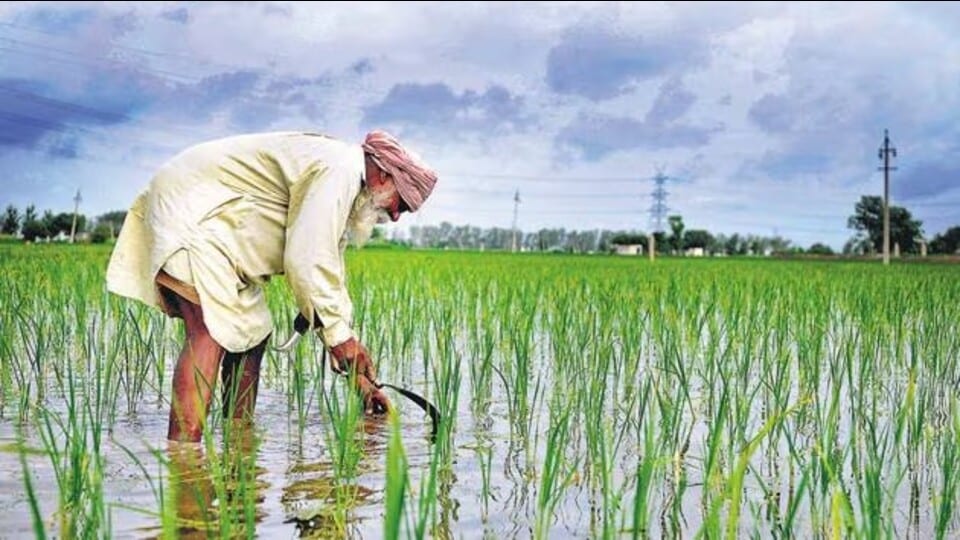
Punjab’s transformation was once a testament to visionary progress. The Green Revolution of the 1960s transformed its agricultural sector, turning the state into India’s breadbasket and ensuring national food security. By the 1980s, Punjab’s agricultural wealth fostered an educated and skilled workforce, laying the foundation for economic prosperity. But today, Punjab’s economy faces significant challenges that demand urgent attention.
Challenges galore
The state’s agricultural sector, once a pillar of strength, now represents a lost opportunity. Although it still contributes 30% of India’s wheat, Punjab’s reliance on old farming practices, environmental degradation, and water scarcity have deepened its crisis. Over 50% of Punjab’s population is engaged in agriculture, but this sector contributes only 30% to the Gross State Domestic Product (GSDP). The over-reliance on agriculture and water-intensive crops like rice, combined with poor water management and chemical overuse, has led to severe soil degradation and the rapid depletion of groundwater, with levels dropping by 60 cm annually.
Meanwhile, farmers face skyrocketing input costs, low input efficiency, and stagnant yields, entrenching them in a cycle of debt and despair. Tragically, this situation has led to widespread farmer suicides, further deepening the sense of hopelessness.
Punjab’s failure to diversify its economy away from agriculture has contributed to its stagnation. While states like Gujarat and Maharashtra have fostered industrial growth, Punjab remains tethered to traditional sectors. Its industrial sector grew by just 1.8% in 2020, far below the national average of 7.4%. Aging infrastructure, outdated regulatory policies, and a lack of innovation have left the state’s industries ill-equipped to meet modern demands. As a result, unemployment—especially among the youth—has spiked, leading to further social unrest.
One of the most telling signs of Punjab’s stagnation is the exodus of its youth. Thousands of talented individuals leave the state each year in search of better opportunities, draining Punjab of its most valuable resource: its human capital. This “brain drain” is fueled by an education system that has failed to evolve in tandem with the demands of a modern economy, leaving graduates unemployable in today’s industries.
Perhaps the most heartbreaking symbol of Punjab’s decline is the widespread drug addiction crisis. A large portion of the state’s youth has fallen prey to substance abuse, often driven by unemployment, poverty, and despair. This epidemic has ravaged entire communities, eroding social fabric and exacerbating Punjab’s already fragile healthcare system, which is ill-equipped to handle the mental health and addiction crises, and is overwhelmed by the demand for rehabilitation services.
Agriculture can no longer be sole engine of growth
The state’s governance deficit is another critical issue. Years of political uncertainties and a lack of strong leadership have led to policy paralysis in vital sectors. Whether in agriculture, industry, or education, Punjab is struggling to implement forward-thinking reforms that could address its core challenges. The leadership vacuum has allowed stagnation to persist, making it all the more difficult for the state to revitalise itself.
Despite these challenges, Punjab can rise again. A comprehensive strategy focused on economic diversification, education reform, industrial growth, and tackling the drug epidemic is essential for Punjab to reclaim its position as a vibrant, progressive state.
Agriculture, while still important, can no longer be the sole engine of growth. Punjab must shift focus toward high-value sectors such as information technology, biotechnology, and renewable energy. By leveraging its agricultural heritage, Punjab can develop agro-processing industries, which could boost output, create jobs, and drive sustainable economic growth. Furthermore, the establishment of industrial zones dedicated to green energy, food processing, and technology would attract critical investments and foster entrepreneurship.
Infra upgrade is a must
A robust educational system is vital for equipping the youth with the skills necessary to thrive in a modern economy. Punjab should prioritize vocational training and skill development to bridge the gap between education and employment. Public-private partnerships can be instrumental in creating institutions that cater to the evolving demands of the job market. Further, rural education must be prioritised to ensure inclusive growth, offering quality education and opportunities to those in less-developed areas.
To foster industrial growth, Punjab must modernise its infrastructure. This includes upgrading transportation networks, establishing digital hubs, and offering attractive incentives for industries to set up in the state. With its abundant sunlight, Punjab has great potential to become a leader in renewable energy, particularly solar power. Investing in this sector could not only meet local energy needs but also create green jobs and attract global investment.
The drug addiction crisis requires a multi-faceted approach. Punjab must expand rehabilitation services, create awareness campaigns, and establish more accessible employment opportunities for youth. Prevention, treatment, and rehabilitation programs should be strengthened, alongside initiatives that provide alternatives to substance abuse, such as sports, skills training, and entrepreneurship programs. The focus must be on empowering communities and helping individuals reclaim their futures.
Time to embrace bold reforms
Punjab’s youth are its greatest asset. Through strategic policies, the state can reverse the current trend of migration by creating attractive job opportunities, improving living standards, and offering incentives for talent to return. Programs aimed at fostering innovation and entrepreneurship, particularly in tech and sustainable industries, can create a dynamic ecosystem that keeps young people invested in their home state.
While Punjab’s challenges are significant, they are not insurmountable. By embracing bold reforms in its agricultural sector, diversifying its economy, revamping education, and addressing the drug epidemic, Punjab can unlock its true potential. The path to recovery will require transparent, people-centric governance and a long-term vision. The people of Punjab, especially its youth and farmers, stand ready to be active partners in this transformation. With the right policies and leadership, Punjab can reclaim its status as one of India’s most prosperous and vibrant states.
sureshkumarnangia@gmail.com
(The writer is a retired Punjab-cadre IAS officer. Views expressed are personal.)


