
 E-Paper



Haryana cabinet approves paddy stubble management policy
The “Haryana Ex-Situ Management of Paddy Straw Policy 2023” is aimed to harness paddy straw for sustainable energy and eliminate crop residue burning by 2027

 Prefer HTon Google


Haryana chief minister Manohar Lal Khattar on Wednesday announced “Haryana Ex-Situ Management of Paddy Straw Policy-2023”to utilise paddy straw for sustainable energy and completely curb crop residue burning practice by 2027.
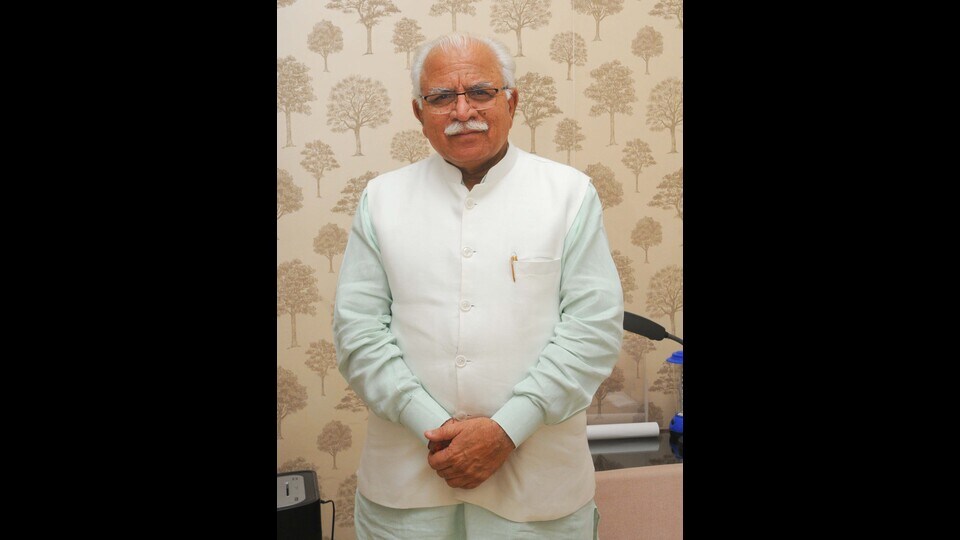
The policy provides a framework for attracting private investment in paddy straw-based projects, while encouraging farmers to engage in responsible practices, and establishing a robust linkage between farmers and industries. The policy also offers a variety of incentives to promote the utilisation of paddy straw.
“This policy marks a significant stride in promoting efficient paddy straw utilisation while discouraging harmful residue burning,” said Khattar, pointing out that the policy is aligned with the government’s commitment to harness energy from paddy straw and reduce its environmental impact.
“This comprehensive policy establishes an end-to-end ecosystem for paddy straw use. By reducing crop residue burning, the policy will help improve air quality and soil health. It will create new jobs and opportunities in the paddy straw sector.”
Projects using paddy straw as a primary feed material qualify for incentives under the Haryana Bio-energy Policy-2018, and its amendments. This includes biomass-based power projects, compressed biogas plants, ethanol production, and other bio-fuel initiatives that utilise 100% paddy straw as a major feed material.
Farmers and relevant organisations are eligible for subsidies on agriculture implements and machinery used for the cutting, collection, baling, storage, and transportation of paddy straw to straw-based industries and plants.
“Industries using paddy straw as a feed material will receive interest subsidies on term loans, akin to subsidies available for renewable energy projects,” said Khattar.
An online linkage between farmers, industries, gaushalas, dairies, and end-users will be established, enabling management of paddy crop residue demand and supply. District-wise mapping of paddy straw demand will be coordinated with the new and renewable energy department, Haryana.
The department of micro, small, and medium enterprises will provide financial incentives to MSMEs for adopting biofuels, benefitting businesses like brick kilns, paper industries, cardboards, and others using paddy straw.
Paddy straw-based projects will qualify for incentives under the Central Sector Scheme, part of the Agriculture Infrastructure Fund of the Ministry of Agriculture and Farmers Welfare, Government of India, subject to eligibility.
Co-firing of biomass in thermal power plants
All thermal power plants within the state will ensure biomass co-firing in compliance with guidelines issued by the Union ministry of power.
The biomass used for pellets in thermal power plants within Haryana will be sourced from local farmers through the online mechanism established by the agriculture and farmers welfare department. The chief minister said the policy will be implemented by the new and renewable energy department, Haryana, in collaboration with other departments such as agriculture and farmers welfare, industries and commerce, environment, and micro, small, and medium enterprises.


