
 E-Paper


Diwali burn first aid: Surgeon shares the 20-minute rule, mistakes to avoid and why you should avoid ice

 Prefer HTon Google


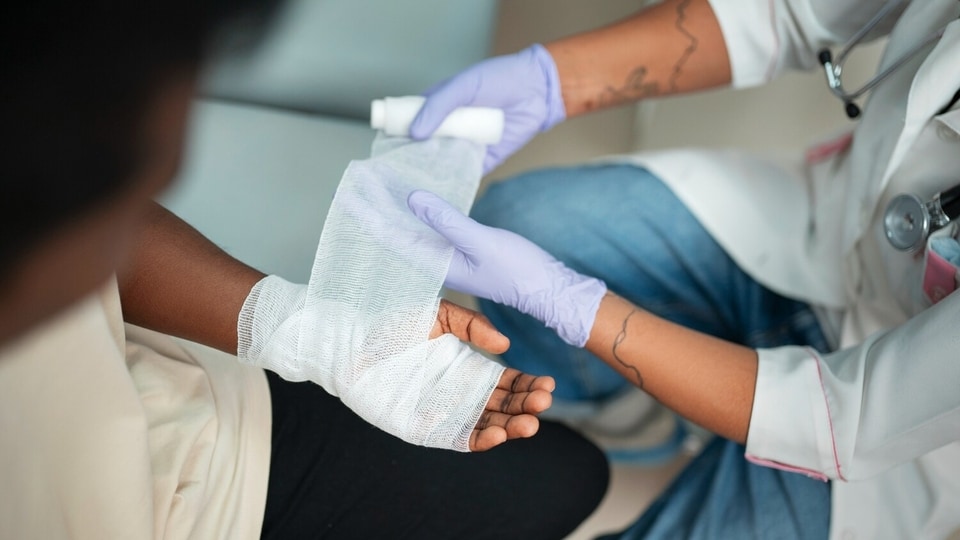
Check this expert-approved guide on why you need to follow the 20-minute rule and avoid applying ice to the wound.
Fireworks, candles, and diyas illuminate homes and brighten the Diwali festivities, celebrating the triumph of light over darkness. But amid the celebrations, fires may happen suddenly, whether when handling a candle, lighting a diya or setting off fireworks. Knowing how to respond immediately, what to avoid applying to the affected area and when to get help is essential.
Dr Anupam Golash, consultant in plastic and reconstructive surgery at CK Birla Hospitals, CMRI, Kolkata, shared first-aid steps for burns, common mistakes to avoid and warning signs that need medical attention.
Highlighting the initial responses that may be ineffective, the surgeon shared, "The immediate instinct may be to reach for ice or apply something from the medicine cabinet. Both reactions can be unhelpful. The first priority is to cool the injured skin and prevent further damage.”
What to do for the first 20 minutes?
The surgeon emphasised that cooling the affected area is the first step of burn care.
He said,“The recommended first step is to hold the burned area under cool, running tap water for 20 minutes. This helps bring down the temperature of the affected tissue and limits the injury from progressing. Water should be cool, not icy. Even if the pain begins to ease before the 20 minutes are up, continue cooling for the full duration.”
To help prevent further tissue damage, cool the burn under cool, running water. Hacks such as applying toothpaste may worsen the damage.
How should you remove jewellery or clothing near a burn and cover the affected area safely?
The next step is to remove rings, watches and nearby clothing before swelling develops after a burn. Dr Golash cautioned against pulling away fabric that has stuck to the skin. He added, "Cover the burn loosely with a clean, non-fluffy dressing or a layer of cling film placed over it. Cling film should never be wrapped tightly around a limb.”
What should you avoid applying on a burn area?
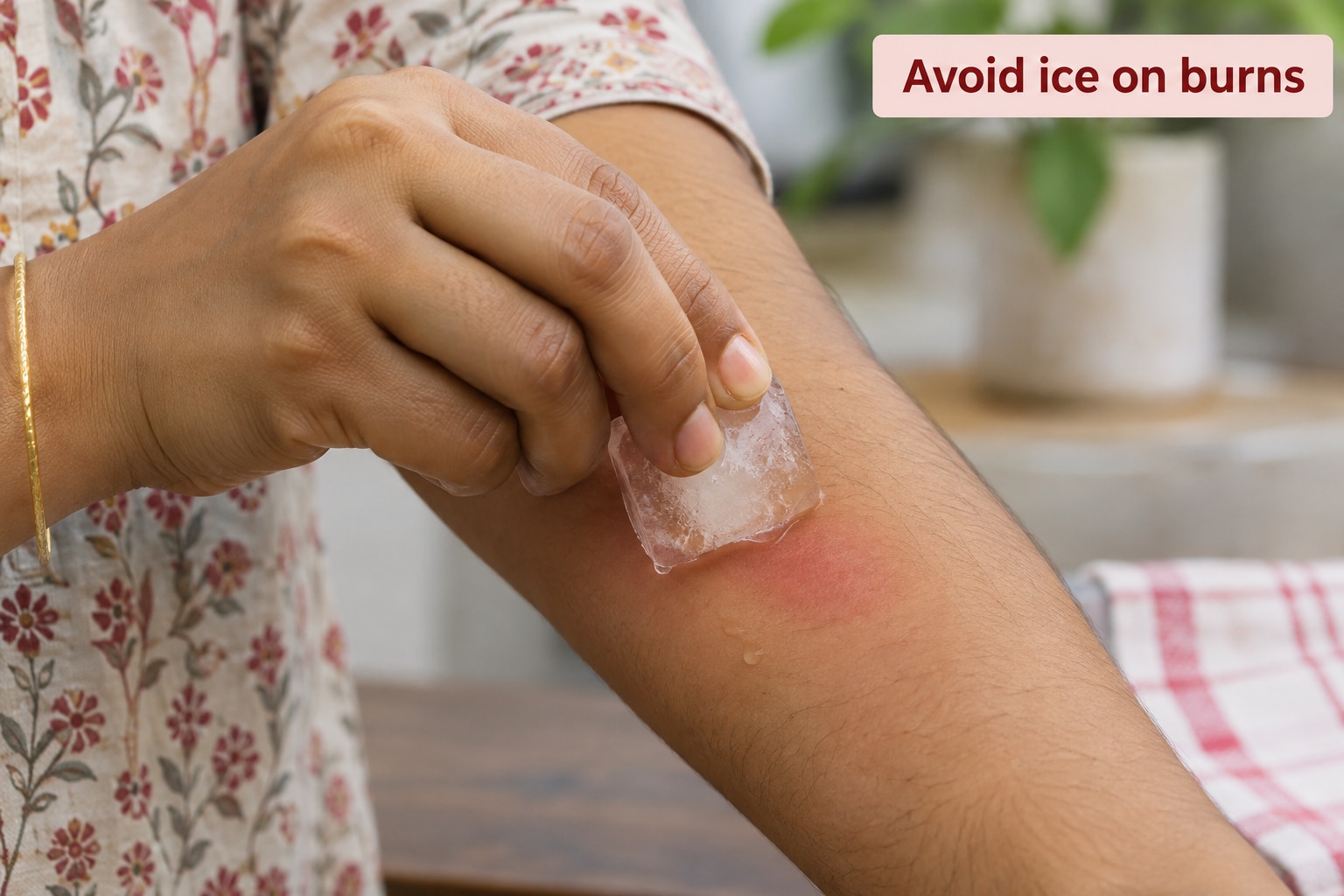
Do not resort to hacks to soothe the burned area. Dr Golash advised against using ice. This may seem counterintuitive; ice can cause further damage to already injured skin. He also flagged household remedies such as toothpaste, butter and cooking oil. Similarly, applying creams or ointments immediately can make it harder for a doctor to assess the injury.
Best thing you can do? He said, “Blisters should be left intact; breaking them exposes the skin underneath and increases the risk of infection.”
When should you see a doctor?
Here's your guide on when to see a doctor after a burn, as shared by the expert:
1. Check the appearance:
- Superficial burns may leave the skin red and painful.
- Deeper injuries can cause blistering, a pale or waxy appearance, or charred skin.
- But, severity cannot always be judged at home.
2. Do not rely on pain alone:
- A serious burn may hurt less if nerve endings are damaged.
3. Seek medical assessment prompltly when:
- Burns that are large, deep, or affect the face, hands, feet, genitals, or major joints need immediate medical attention.
4. Get electrical and chemical burns assessed:
- These require immediate medical attention, even if the visible mark looks small.
5. Recognise emergency signs:
- Difficulty breathing, burns around the mouth or nose, or suspected smoke inhalation require emergency care.
Children and older adults may need assessment sooner because burns can have more serious consequences for them. The same applies to people with conditions that affect healing or circulation.
In the end, the surgeon concluded that, “A burn can change in appearance over the hours following an accident. What looks minor at first may develop blisters or reveal deeper tissue damage. If there is uncertainty about its severity, it is safer to have it examined than to rely on home treatment.”
Note to readers: This article is for informational purposes only and not a substitute for professional medical advice. Always seek the advice of your doctor with any questions about a medical condition.


Catch your daily dose of Fashion, Taylor Swift, Health, Festivals, Travel, Relationship, Recipe and all the other Latest Lifestyle News on Hindustan Times Website and APPs.


