
 E-Paper


Adrija Dey’s proclivity for observation fuels her storytelling instinct. As a lifestyle journalist, she crafts compelling, relatable narratives across diverse touchpoints of the human experience, including wellness, mental health, relationships, interior design, home decor, food, travel, and fashion that gently nudge readers toward living a little better. For her, stories exist in flesh and bones, carried by human vessels and shaped through everyday endeavours. It is the small stories we live and share that make us human. After all, humans and their lores are the most natural and raw repositories of stories, and uncovering them, for her, is akin to peeling an orange under a winter afternoon sun. Always up for a chat, she believes the best stories come from unfiltered yapping, where "too much information" is kind of the point. A graduate of Indraprastha College for Women, University of Delhi, and an alumna of the Indian Institute of Mass Communication (IIMC), Delhi, Adrija spends her idle hours cocooned with herbal tea and a gripping thriller, scribbling inner monologues she loosely calls poetic pieces, often with her succulents in attendance. On lazier days, she can be found binge-watching, for the nth time, one from her comfort-show holy trinity: The Office (US), Brooklyn Nine-Nine, or Modern Family. Dancing by herself to her peppy playlists, however, is an everyday ritual she swears by religiously.
Keep groceries fresh and cut down on waste: When to choose resealable pouches, refill packs or single-use packaging for everyday foods


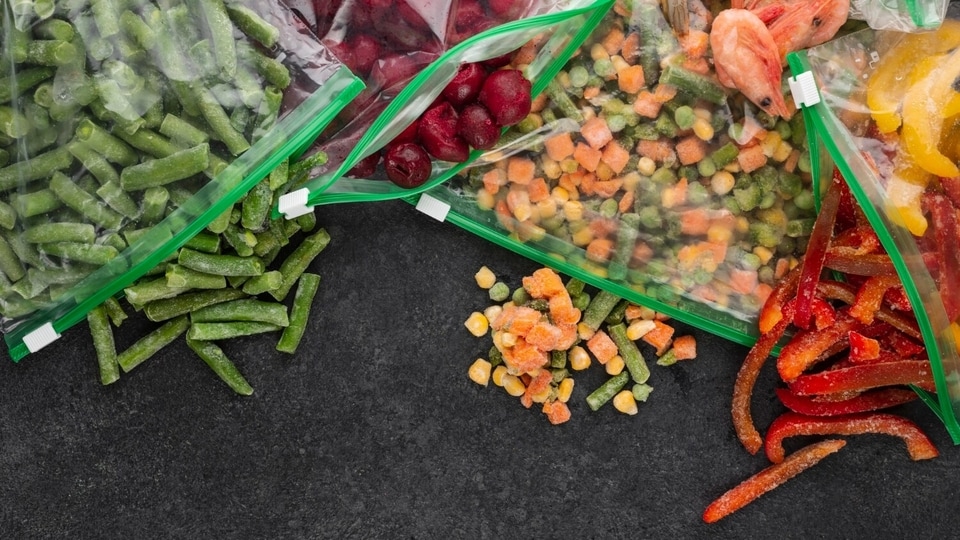
The best packaging depends on the food and how you use it. Know which one suits each kind of food.
Ever wondered how best to store the cereal you opened last week? You might reach for that box every morning, use a sachet of ketchup in one go or top up your coffee jar from a refill pouch. So when you are shopping for groceries, how do you choose packaging that keeps food fresh and cuts down on waste?
ALSO READ: Leaving food out to cool? Dietitian shares common food storage mistakes to avoid food poisoning
Let's settle this packaging dilemma once and for all. Kunal Bajaj, vice chairman of FoodPro Packaging, a venture of Jupiter Group, told HT Lifestyle what to look for in each type of pack. He explained when a resealable pouch can help keep food fresh, how refills let you reuse containers you already own and why single-use packs still make sense for some foods.
Look at what the food needs to stay fresh and how you plan to use it. Bajaj said, “No single format can meet every consumer need. The right packaging depends on the product, its intended use and specific application requirements.”
When should you choose a resealable pouch?
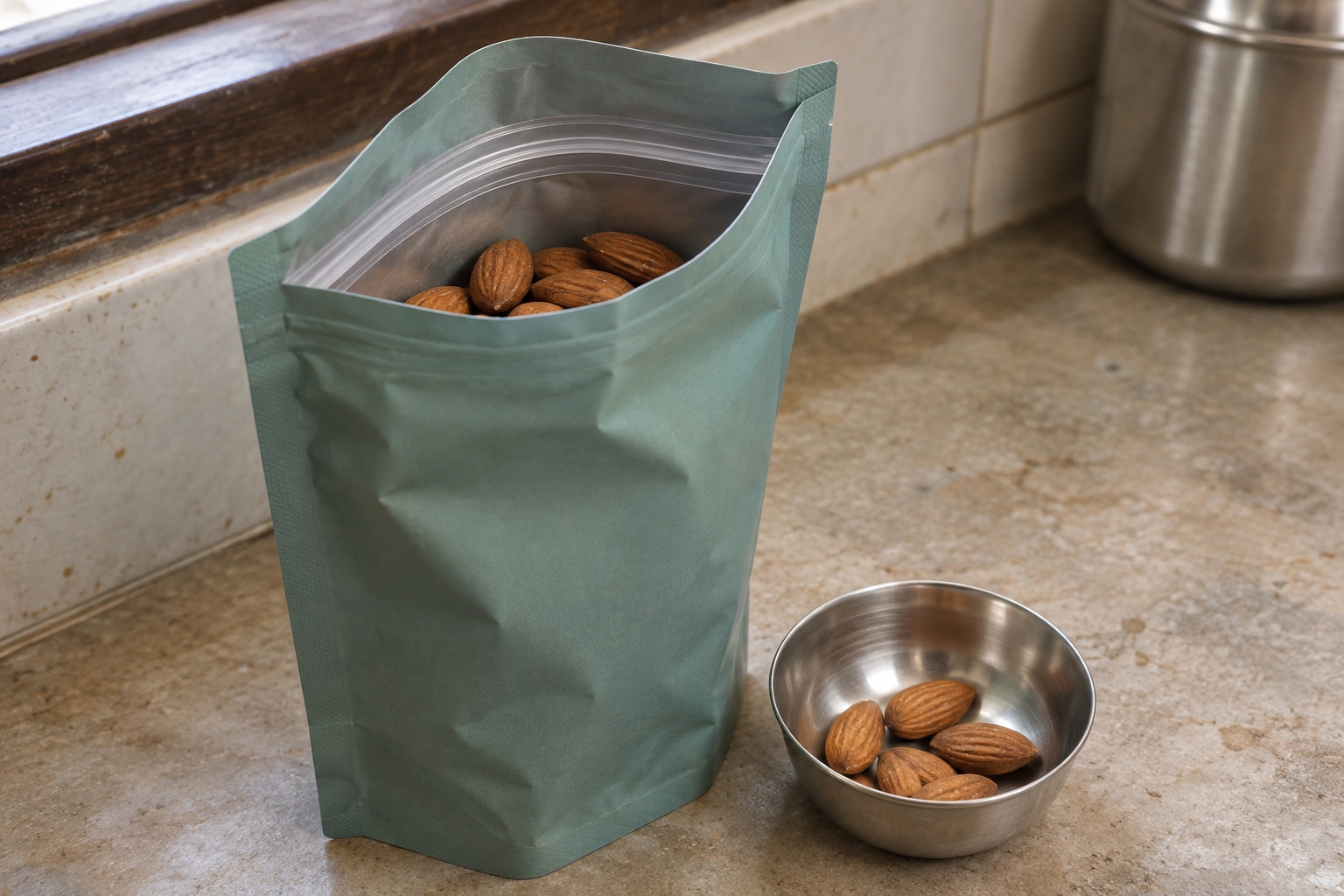
Suppose you open a packet of chips and fold down the top, hoping the chips will still be crisp the next day. If they have already gone soft by then, a resealable pouch may come in handy. Bajaj recommended resealable pouches for snacks, dry fruits, cereals and pet food. You can take out as much as you need and seal the pouch again to limit how much air and moisture may reach the food left inside.
He added, “Zipper closures and easy-open formats help cut down product exposure to moisture, air and contaminants. For consumers juggling busy schedules, resealable packs also make it easier to use a product over a longer stretch of time rather than all at once.”
When does a refill pack make sense?
Next is the refill pack. When you are running low on coffee, for example, you can buy a refill pouch and pour the coffee into the jar you already own. As with the Bajaj, refill pouches often use less packaging material than a new rigid container. How much waste they save also depends on whether you keep reusing the jar and whether your local recycling system can handle the empty pouch.
When is single-use packaging a practical choice?
If you are packing a sandwich for a train journey, a sachet gives you enough for one meal and saves you from carrying the whole bottle. “Single-use packaging still plays an important role, particularly where portability, portion control, food safety and shelf life matter most." For dairy products and ready-to-eat meals, the pack also has to protect the food on its way from the shop to your fridge. He pointed out that if using less packaging leaves the food more likely to spoil before you eat it, you could end up throwing away both the pack and its contents.


