
 E-Paper



HC rules against jail inmates’ solitary confinement for long hours
The Punjab and Haryana high court has ruled against long hours of solitary confinement imposed upon some gangsters by Punjab Police in Bathinda jail


The Punjab and Haryana high court has ruled against long hours of solitary confinement imposed upon some gangsters by Punjab Police in Bathinda jail.
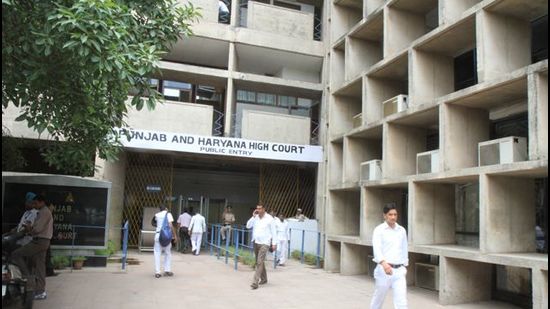
Dealing with a bunch of petitions filed by gangsters lodged in the above-mentioned jail, the high court bench of justice Sudhir Mittal termed it “quasi-solitary confinement” and held that it is illegal and violative of the rights guaranteed under Article 21 of the Constitution, which deals with right to life and personal liberty.
“The action of confinement of individual prisoners in individual cells for the most part of the day and for limitless periods is impermissible and has been held so (illegal). However, the result of such a direction would be the immediate release of notorious/hardened/dangerous criminals into ordinary prison life which may be a recipe for disaster,” the court said adding that the threat held out by the actions of such desperate persons is also real and cannot be ignored and said that the prison administration can come up with suggestions which would make the custody conform to the law of the land while meeting the security concerns. “For example, the identified prisoners could be housed in separate barracks instead of cells. Members of rival gangs could be confined in different barracks and the system of staggered lockouts could be retained. Confinement to cells be restricted from sunset to sunrise and period of lockouts be increased, however, within the confines of high security zones,” the court said leaving it to the prison administration to impose restrictions.
The petitioners had claimed that they fear for their lives and further alleged that various amenities available to ordinary prisoners are not being provided to them and they are being confined in a cell for 22 hours in a day.
The high court observed that on one hand, lies the danger of continuing crime and jail violence and on the other hand, lies the demand for human rights and constitutional rights. “They may not enjoy all rights and freedoms guaranteed by the Constitution of India, yet, basic rights and liberties are available to them which are the rights guaranteed by Articles 14, 19 and 21 of the Constitution of India. Court process restricts the liberty of prisoners but the same courts also have the duty to monitor that the liberty is not restricted beyond the bounds of the law,” it added further adding that restrictions imposed would be open to judicial scrutiny.
The court held that the state has a right to classify the prisoners in different categories and deny some facilities accordingly, keeping in view the safety and security aspects.


