
 E-Paper



Himachal agri dept procures 140 quintals of barley from Pangi
A spokesperson of the state government said that the government has procured 140 quintals of naturally grown barley on ₹60 per kilogram from 59 farmers in Pangi sub division during current kharif season so far

 Prefer HTon Google


The state government has started the procurement of naturally grown barely in Pangi sub division of Chamba district.
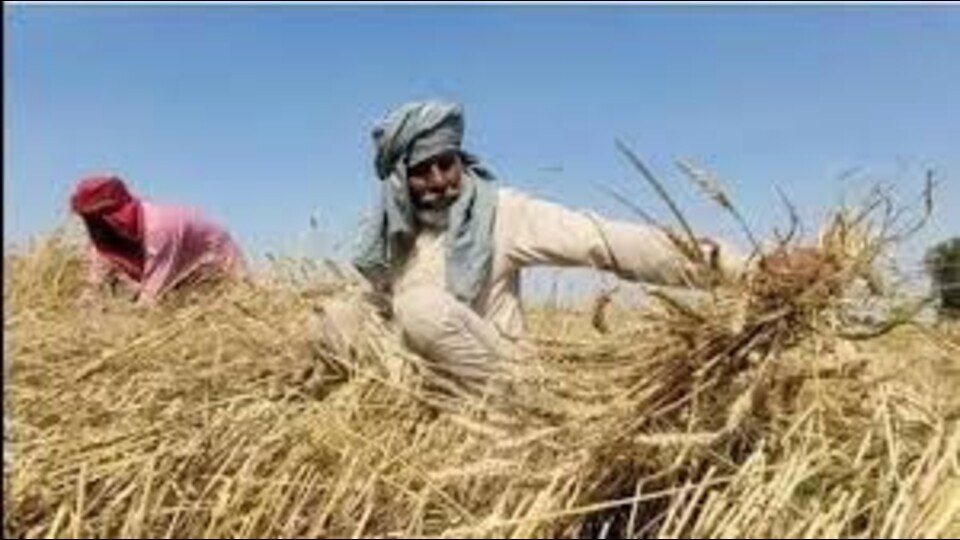
A spokesperson of the state government said that the government has procured 140 quintals of naturally grown barley on ₹60 per kilogram from 59 farmers in Pangi sub division during current kharif season so far. He said that 20 quintals of barely was purchased from 11 farmers of gram panchayat Hudaan, 78 quintals from 24 farmers of gram panchayat Suraal, 9 quintals from 7 farmers of gram panchayat Killar, 10 quintals from 7 farmers of gram panchayat Saach and 23 quintals from 10 farmers of Sechu gram panchayat.
He said that the government is promoting natural farming in the state to ensure chemical free products to the people and providing support price to the crops grown naturally. He said that this initiative of the government was motivating the farmers to adopt natural farming to strengthen their economy, adding that 90% of states’s population live in rural areas and the government was making policies to strengthen the economy of the rural folk.
He said that during the Himachal Day function at Pangi in Chamba district, chief Mminister Sukhvinder Singh Sukhu announced Pangi as the first naturally farming sub division of the state to promote natural farming in the area and farmers were coming forward to grow the natural crops.
He said that the state government has estimated to procure 2,371.71 quintals of maize to be procured from 1,473 farmers during the current kharif season for which 28 collection centres will be established across the sate. He said that the agriculture department is also gearing up to procure raw turmeric from the farmers. He said that 2422.65 quintals of naturally grown raw turmeric will also be procured from 1629 farmers through 12 collection centres.


