
 E-Paper



Illegal immigration, US-India ties in focus at IDC meet
Going back to the beginning of migration, professor Ronki Ram pointed out it started in 1834 with the instances of East India Company sending skilled labour to African countries like Kenya and Uganda

 Prefer HTon Google


With the Donald Trump government coming to power, India-USA relations are bound to change given Trump’s focus on imposing stricter measures on immigration and building bilateral ties. On Friday, academicians from different parts of the country and world gathered at Institute for Development and Communication (IDC), Sector 38-A, to discuss “India US relations”, revisiting immigration and its impact on youth diaspora and aspirational youth.
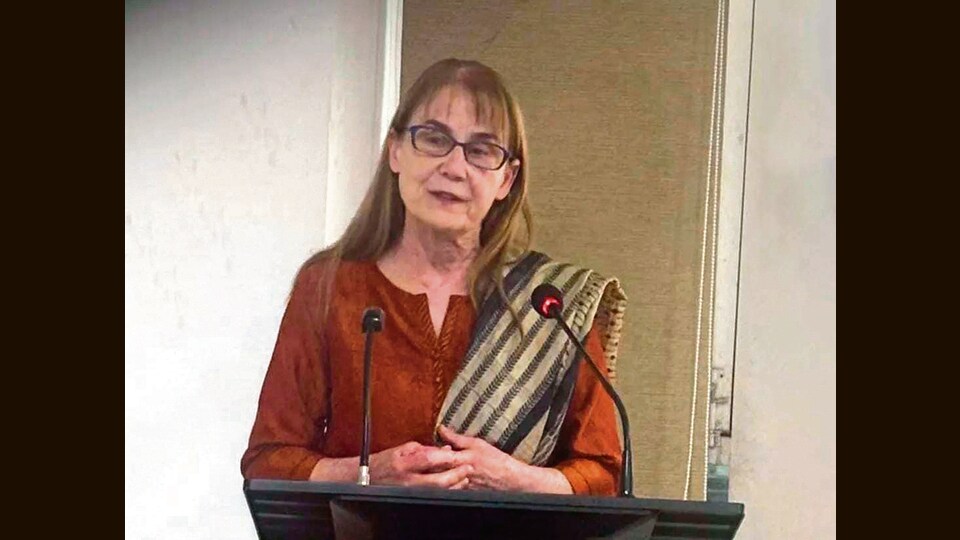
One of the reasons contributing to illegal immigration is the rigid legal system on immigration. For a person not having any family member or amnesty it is difficult to move into America, said Dr Virginia Van Dyke, assistant professor of international studies at University of Washington. Further adding, immigration policy of the USA has been fluctuating with the change of governments.
The process of deportation of illegal migrants has always occurred but Donald Trump publicised it extensively as it was a part of their campaign promise. Trump government has been opting for stricter immigration measures, be it calling to eliminate birthright citizenship and not continuing DACA (deferred action for childhood arrivals), policy for young immigrants who come to the USA as children. Dr Virginia said eliminating birthright citizenship wouldn’t be easy it is a constitutional matter and would involve court as well. On H-1B visas in his previous term, Trump has put stricter measures on it but did not change the cap. Considering H-1B visa comprise of skilled labour, Trump government stance hasn’t been firm over it.
Migration that started with pursuit of education
Going back to the beginning of migration, professor Ronki Ram pointed out it started in 1834 with the instances of East India Company sending skilled labour to African countries like Kenya and Uganda. The migration in Punjab started in the early 20th century with people moving to Japan, China, Singapore and later to North American countries. He highlighted the initial cause to go abroad was education with Kartar Singh Sarabha and Sohan Singh Bhakna not only studying abroad but also setting up hostels and fellowships in America for Indian students. In contrast to the present, people are moving for a better life. People are opting for great difficulties to go abroad because of fear of drugs, unemployment, as no industries have been set up in Punjab.
The plight and aspirations of the immigrants could not draw attention to the needs of the population migrating in hordes, violating laws and social bindings to risk their lives for a distant future. The focus of state agencies continues to be on tightening immigration controls and upgrading the legal response to detention, investigation and prosecution. But the human angle of why this is happening and how to respond to human rights violations and protect trafficking victims is addressed only in passing. Punjab has been a principal source of emigration and provides lucrative business opportunities for both the legal and illegal emigration trade. These views were expressed by Pramod Kumar, chairperson of IDC Chandigarh.
He further highlighted that the primary driving force behind immigration, particularly to the United States and Canada, is shaped by pull factors encapsulated in the so-called foreign dream and the need to meet labour shortage.
“For the country of destination, it is a kind of want and need paradox, “We need you, but we don’t want you,” he added.
Professors, including Osamu Yoshida, Kenta Funahashi, Kuldip Singh, Dr Yuko Mori, Harish Puri, Kumool Abbi and several administrative officers actively participated in the event.


