
 E-Paper



In Chandigarh, ban on protest rallies remains only on paper
While police and administration watch quietly, protesters in Chandigarh continue to hold protests outside their departments and in Sector 17, where most public offices are located

 Prefer HTon Google


UT administration’s repeated prohibitory orders, banning protests, rallies, demonstrations and gatherings of five or more people at any place within Chandigarh other than the rally ground in Sector 25, are practically non-existent.
While police and administration watch quietly, protesters in the city, mainly employee unions and political parties, continue to hold protests outside their departments and in Sector 17, where most public offices are located.
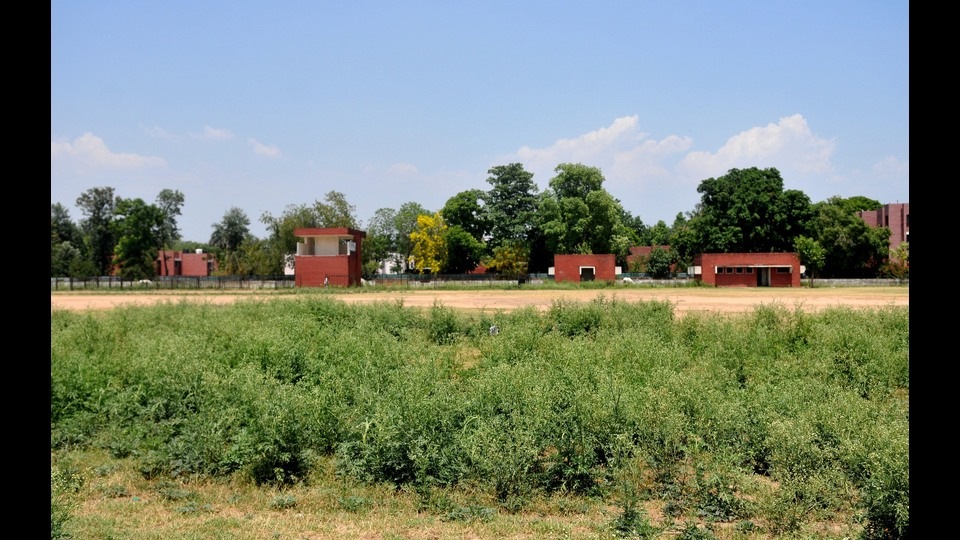
Meanwhile, the designated protest site in Sector 25 is also lying in a shambles, allowing protests to spill over to different parts of the city, causing major inconvenience to residents.
A visit to the designated protest site in Sector 25 revealed damaged stage, wild growth, missing iron grilles and filthy toilets, all a picture of administration’s apathy in promoting its use.
“Designating a spot for rallies is absolutely fine, but there should not be a blanket ban on protests in the city. Employees protest peacefully only to raise their genuine demands. So, the administration should not stifle our right to protest through prohibitory orders,” said Gopal Dutt Joshi, general secretary, Federation of UT Employees and Workers, Chandigarh, that is preparing to hold a demonstration in Sector 17 on May 27.
Deputy commissioner Vinay Pratap Singh said instructions had been issued to the Sector 17 station house officer (SHO) to ensure that no protest was allowed in Sector 17 and all demonstrations were held only at the designated spot in Sector 25. The orders will be reiterated to police to ensure strict compliance, he added.
On barricading of roads on Chandigarh’s borders to deter protesters from entering the city, the DC said, “As Chandigarh is a planned city, diversion of traffic to alternative routes is possible whenever protests are held in Mohali or Panchkula to minimise inconvenience to commuters.”
He added, “Advisories on diversions are issued in advance. We have already taken up the issue with the respective administrations in Mohali and Panchkula to ensure that police from both states ensure that such protests are contained within their jurisdictions.”
“Chandigarh is a major seat of power by the virtue of being the joint capital of Haryana and Punjab, so several protests in these states are directed towards the city. To ensure no protester enters the city from there, we deploy adequate force on the borders, with barricades and water cannons, whenever there is a protest in Mohali and Panchkula,” said Kuldeep Singh Chahal, senior superintendent of police (SSP), Chandigarh.


