
 E-Paper



Lockdown delayed admission time among head injury cases: PGI study
The restrictions imposed to curb the Covid-19 pandemic also led to amplification of the already-delayed admission process among head-injury patients at Post Graduate Institute of Medical Education and Research, a study has found


The restrictions imposed to curb the Covid-19 pandemic also led to amplification of the already-delayed admission process among head-injury patients at Post Graduate Institute of Medical Education and Research, a study has found.
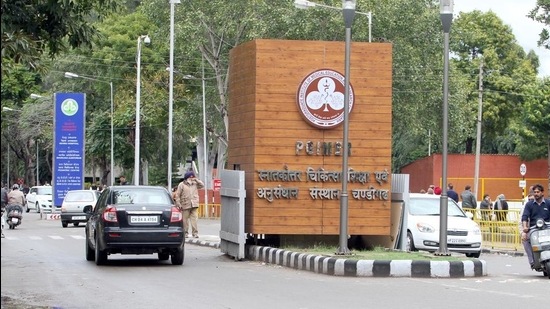
The study called “Collateral fallout of Covid-19 lockdown on patients with a head injury from north-west India” has appeared in Acta Neurochirurgica, the European journal of neurosurgery, which states that out of a total 3,372 patients, there were 83 head-injury admissions per week before Covid-19 restrictions, which decreased to 33 every week (60% drop) during the lockdown and stabilised at 46 per week during the unlock phases.
The researchers have noted that timely transportation to an appropriate trauma care facility is an essential component that affects the final outcomes in case of head injuries, and during Covid-19, the proportion of patients who reached PGIMER within optimal time decreased.
“Covid-induced restrictions caused a significant increase in the proportion of patients arriving directly without resuscitation at peripheral centres and later than 6 hours of injury. Post Covid-19, the proportion of patients reaching later than 6 hours increased significantly from 66% to 74%,” the study states, adding that this may have led to a significant increase in severe head-injury mortality rate from 47% before pandemic to 59% during the lockdown.
Need to improve inter-hospital transfer
The researchers impute factors such as hindrance in arranging transport and disruption of routine transfer services to the increase in mortality rate. The findings also imply that inter-hospital transfer coordination was a domain that needed to be relooked at.
On the other hand, some positive effects were noticed such as head-injury cases under the influence of alcohol saw a decrease.
“Lockdown restrictions with restricted access to alcohol can explain this trend. A decline in head-injury patients with comorbidity was also seen after the pandemic. With increased awareness that comorbidities constitute a significant risk factor for Covid infection, persons with pre-existing illnesses were not venturing out of the home during the pandemic,” the researchers said.
Researchers, however, have acknowledged that this was a single-centre study, and hence the observations may not be generalised.


