
 E-Paper



Ludhiana: High court issues warrants against MC commissioner
The court directed the city police commissioner to ensure the serving of bailable warrants and secure the presence of the MC Commissioner on the next date of hearing which is scheduled on May 27


The Punjab and Haryana high court has issued bailable warrants against Ludhiana Municipal Corporation (MC) commissioner Aaditya Dachawal for failing to appear in court during the hearing of a contempt petition related to a land ownership dispute in Upkar Nagar.
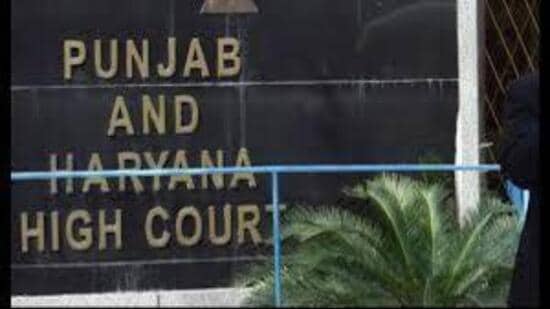
The court directed the city police commissioner to ensure the serving of bailable warrants and secure the presence of the MC Commissioner on the next date of hearing which is scheduled on May 27. The case revolves around a contentious 2,200-square-yard land parcel regarding which ownership rights are being contested between a private petitioner and the MC.
During an earlier hearing, Dachawal had appeared via videoconferencing and sought additional time to file a response. However, in Friday’s proceedings, he remained absent, prompting the court to issue bailable warrants.
The petitioner has claimed rightful ownership over the said land, citing that it belonged to his predecessors and was released from the Kundan Puri Scheme. However, the MC contends that the land forms part of the overlapping Upkar Nagar Scheme and is not available for private ownership.
Despite repeated opportunities, the civic body has so far failed to present any official documentation or notification to substantiate its claim. The court observed that the absence of the commissioner and lack of evidence from the civic authorities amounted to non-compliance with court directions.


