
 E-Paper



Ludhiana MC relies on six-yr-old data for stray dog sterilisation
The 21st census was conducted about 1.5 years ago, but its data is yet to be released as it is awaiting authentication by the Union animal husbandry department, officials said

 Prefer HTon Google


The municipal corporation is relying on more than six-year-old data to plan its stray dog sterilisation drive even as dog bite cases in Ludhiana continue to rise, with the latest livestock census data yet to be authenticated and released by the Union animal husbandry department.
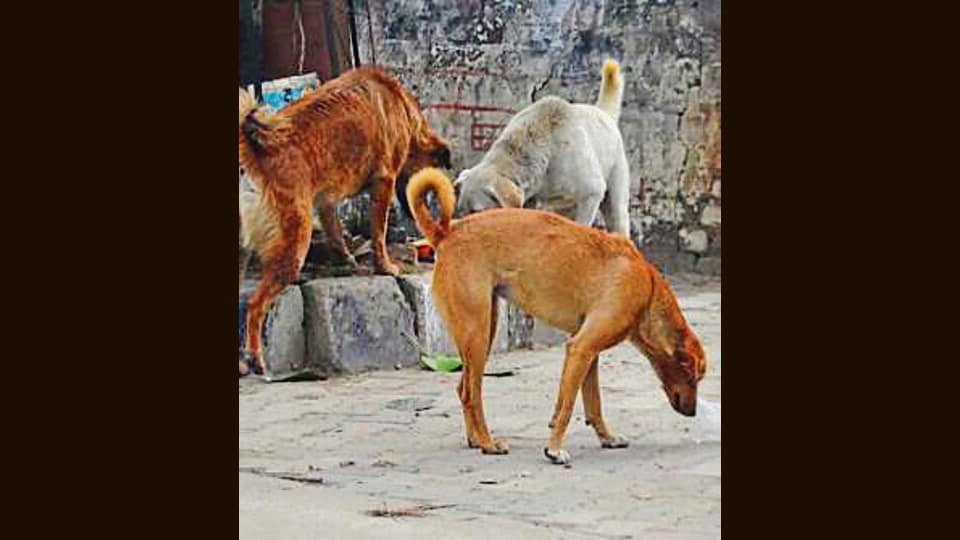
The 20th Livestock Census, conducted in 2019-20, recorded 29,998 stray dogs in Ludhiana district. The 21st census was conducted about 1.5 years ago, but its data is yet to be released as it is awaiting authentication by the Union animal husbandry department, officials said.
Municipal health officer Dr Vipan Malhotra said the animal husbandry department collected the animal population data.
Director of animal husbandry Paramdeep Singh Walia confirmed that the latest census data was still awaiting authentication, leaving the civic body dependent on the previous census figures.
Officials said the absence of updated data made it difficult to determine the scale of the sterilisation programme and the resources required to tackle the stray dog population.
“The census is conducted precisely to equip policymakers with the information needed to channel the resources required to take up sterilisation campaigns. Without census data, you won’t know the size of the problem you are dealing with, so how can you be effective?” said deputy director, Animal husbandry department, Dr Deepak Jangra.
The data gap assumes significance as dog bite cases in the district have risen sharply. Ludhiana recorded 37,200 dog bite cases in 2025, up more than 19% from 31,054 cases in 2024.
Officials and animal welfare groups attributed the increase to the growing stray dog population and the slow pace of sterilisation. They cited inadequate infrastructure, limited funding and a shortage of manpower among the factors restricting the programme.
The MC has sterilised around 12,000 dogs in 2025, but animal welfare activists say the number remained inadequate given the scale of the problem.
A member of the Society for Protection of Animals Against Cruelty (SPAC), speaking on condition of anonymity, said, “Lack of reliable population data has also made it difficult to determine the number of dogs that needed to be targeted. The member also identified inadequate funding as a major constraint.”
According to the member, sterilisation at a private clinic costs nearly ₹7,000 per dog, while MC tenders provide ₹1,200 to ₹1,500 per animal. “Even the products required for the process cost over ₹1,000,” the member said.
The member said each dog also needed to be kept under observation for nearly five days after the procedure and treated for any complications, limiting the number of animals that could be handled at a time.
“This affects the pace at which dogs can be sterilised and vaccinated against rabies,” the member said.
Infrastructure remains another constraint. The city currently has only one animal birth control centre, at Haibowal, with a capacity to accommodate around 18 dogs at a time. “With this limited infrastructure and resources, there is only so much we can do,” the SPAC member said.
Officials also pointed out that the MC’s sterilisation programme is restricted to areas within municipal limits, while dog bite cases have also increased in rapidly urbanising areas on the city’s outskirts.
Animal welfare activists have also raised allegations about the implementation of the sterilisation programme, claiming that some dogs may have been recorded as sterilised without undergoing the procedure.


