
 E-Paper



Ludhiana: PAU scientist makes it to world’s top 2% for third year in a row
He has published 157 research papers in reputed national and international journals, earning more than 3,040 citations, with an h-index of 24 and an i10-index of 48

 Prefer HTon Google


Bringing international recognition to Punjab Agricultural University, Rajinder Kumar Dhall, principal olericulturist in the department of vegetable science, has been named among the world’s top 2% scientists in the Stanford University–Elsevier ranking for 2026. This marks his third consecutive appearance on the list, highlighting his sustained contributions to vegetable science and crop improvement.
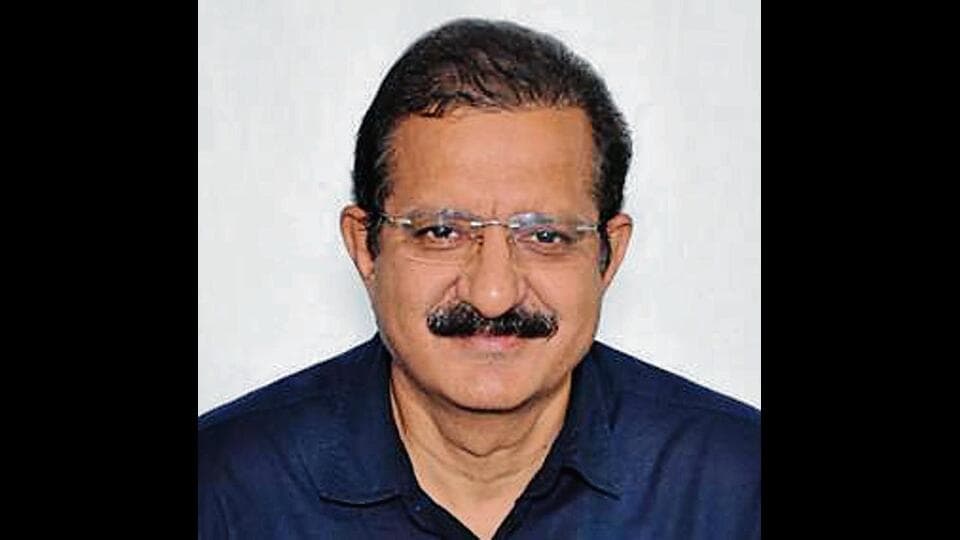
Dhall is the first scientist from PAU’s college of horticulture and forestry to achieve this distinction. The ranking recognises researchers based on standardised citation indicators that measure the reach and impact of their scientific work.
He has published 157 research papers in reputed national and international journals, earning more than 3,040 citations, with an h-index of 24 and an i10-index of 48. His research has focused on improving vegetable varieties, particularly peas, garlic, and cucumber, delivering practical benefits to farming communities.
His contributions include developing four pea varieties—Matar Ageta-7, Matar Ageta-8, Punjab-90, and Punjab Mithi Phali-3—alongside garlic variety PG-18, a Chinese cabbage variety, and two parthenocarpic cucumber cultivars, Punjab Kheera-1 and hybrid PKH-11.
Matar Ageta-7 has received national-level identification and accounts for over 70% of the pea-growing area in Madhya Pradesh. The widespread popularity of his pea and cucumber varieties has also prompted PAU to sign agreements with private seed companies to expand commercial availability for growers.
Dhall previously served as a visiting research scientist at the University of Wisconsin–Madison in the US for six months and received advanced training in Israel. His honours include the Hans Raj Pahwa Award for Research Contribution in Horticulture for 2016–17, fellowships from the Indian Society of Vegetable Science in 2021 and the Society of Plant Research in 2025, and Springer Nature’s Editor of Distinction Award in 2026.
He has reviewed over 150 research manuscripts and serves on the editorial board of BMC Plant Biology. He has also evaluated more than 100 plant germplasm accessions for registration at the National Bureau of Plant Genetic Resources in New Delhi.


