
 E-Paper



Ludhiana: Snakebite cases triple after heavy rains
The district has seen 94 snakebite incidents this year so far, say health officials; . the civil hospital has reported 28 snakebite cases in September, nearly three times the 10 cases recorded in August

 Prefer HTon Google


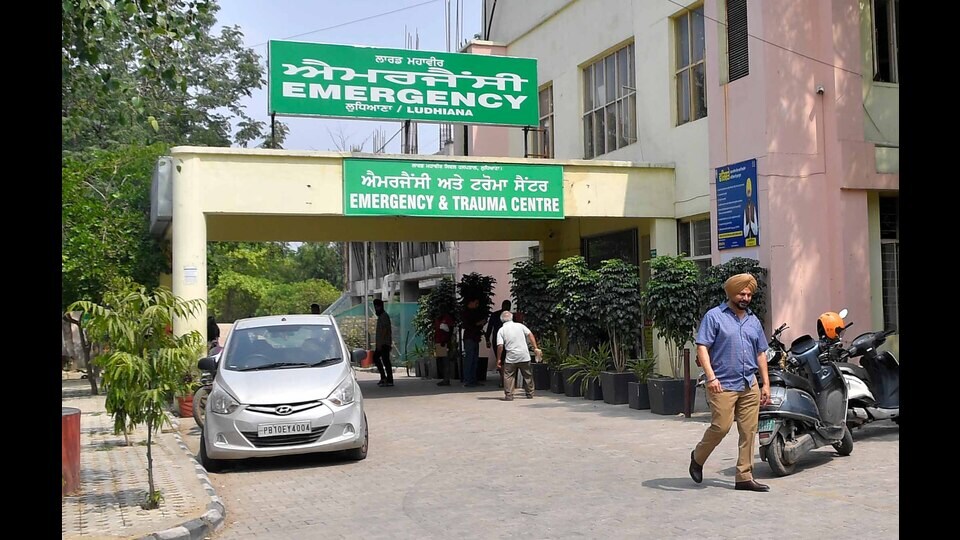
The city has recorded a sharp spike in snakebite cases this month, coinciding with heavy rainfall during the first two weeks of September. The civil hospital reported 28 snakebite cases so far in September, nearly three times the 10 cases recorded in August. This takes the year’s total to 94 cases, compared to 77 during the same period last year.
Wildlife experts attribute the surge to snakes being forced out of their underground habitats by monsoon showers. “Snakebite incidents rise during the monsoon as reptiles move to the surface after rains,” said Asmita Narang, wildlife expert at Guru Angad Dev Veterinary and Animal Sciences University (GADVASU).
While the region has several species of snakes, Narang cautioned against four very poisonous ones — Indian cobra, Russell viper, saw-scaled vipers and common krait. “These are the poisonous snakes found in the region which people must stay away from and take very seriously,” she said.
The venom in Indian cobra, saw-scaled viper and common krait is hemotoxin and causes symptoms like hematuria (blood in urine), bleeding nose, hypotension, bloody vomit, etc. The Russell viper’s venom is a neurotoxin, which causes symptoms like paralysis, fits and seizures.
These snakes are nocturnal, active during the night, and make the farmers in the fields in late hours or those sleeping out in rural areas very vulnerable.
While noting that 80% aren’t poisonous, district family planning officer and senior physician Dr Amanpreet Kour advised people to rush to the nearest hospital as soon as they suspect a snake bite. “Over 80% of the snakes are not poisonous. So people must not panic. But as soon as they suspect a snake bite, they should reach the nearest hospital for an anti-venom shot,” she said. She warned against relying on quacks for treatment as such cases are time sensitive.
Dr Kour explained that hemotoxic venom typically causes intense local pain and bluish discolouration, while neurotoxic venom can cause eyelids to droop even when the person is conscious. “Snakes like cobra can curl up into beds and bite someone in their sleep silently. When they wake up, they don’t know what bites them. Bite victims mistake them for rat or insect bite,” she said.
The anti-venoms at the hospitals here are effective for all four types of snakes. She said that all the community health centres (CHC) have anti-venom doses and the staff are trained in handling snake bite cases.


