
 E-Paper



Ludhiana: Transport unions from 5 states to protest privatisation
Unions from Punjab, Haryana, Himachal, Uttar Pradesh and Uttarakhand to hold national-level meet in Chandigarh on Jan 12 and for employee rights

 Prefer HTon Google


Transport department employees from Punjab, Haryana, Himachal Pradesh, Uttar Pradesh and Uttarakhand have announced a joint protest against policies they say are aimed at weakening and dismantling state-run transport services. A national-level meeting will be held in Chandigarh on January 12 to chalk out the protest strategy and safeguard the rights of public transport employees.
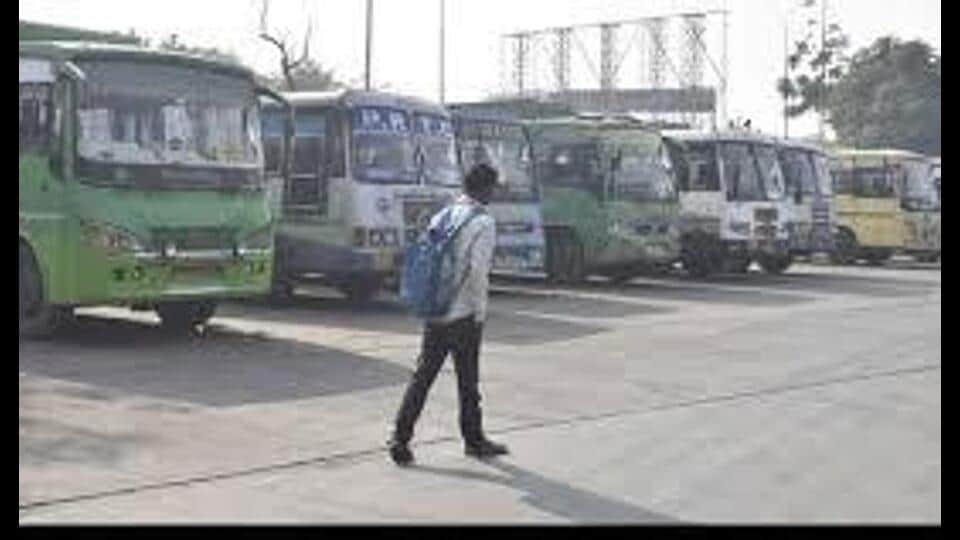
The decision was taken during a video conference held on January 3, attended by senior leaders of unions representing Punjab Roadways, Punbus, PRTC, Haryana Roadways, Himachal Roadways, Uttar Pradesh Roadways and Uttarakhand Roadways.
During the meeting, leaders discussed the impact of various state government policies on transport employees as well as the functioning of public transport services.
Union leaders criticised the Punjab government for recent actions against contractual employees of Punbus and PRTC, alleging that notices were issued and criminal cases registered arbitrarily.
The unions demanded immediate withdrawal of these notices and cases, calling them unjustified.
The Himachal Pradesh government was also criticised for failing to release salaries of HRTC employees for several months. Leaders said repeated representations had not resolved pending demands of transport workers. Similarly, unions alleged that the Haryana government had ignored the demands of Haryana Roadways employees for the past four years.
Union leaders also expressed concern over the growing push towards privatisation of government-run transport services across the country. They said privatisation threatens job security, raises costs for commuters, and reduces accessibility of public transport. They called for the issue to be treated as a national concern rather than a state-specific problem.
The unions said a collective protest plan will be prepared to oppose privatisation, protect government transport services, and jointly raise the demands of both permanent and contractual employees.
The leaders stressed that coordinated action was essential to safeguard the interests of workers and ensure the continued functioning of public transport.


