
 E-Paper



Ludhiana: Veggies’ prices soar as supply from HP hit
Before the advent of rain, essential vegetables such as tomatoes which were sold at ₹1,125 per 25-kg bag, are now trading between ₹1,300 and ₹2,000


Amid incessant rainfall and widespread landslides in Himachal Pradesh that has affected vegetable supplies from the state to the city, residents are facing steep hikes in prices, taking a toll on household budgets. The impact has been particularly severe on daily staples like onion, cauliflower, peas, spinach, cucumber, ginger and coriander in the past week.
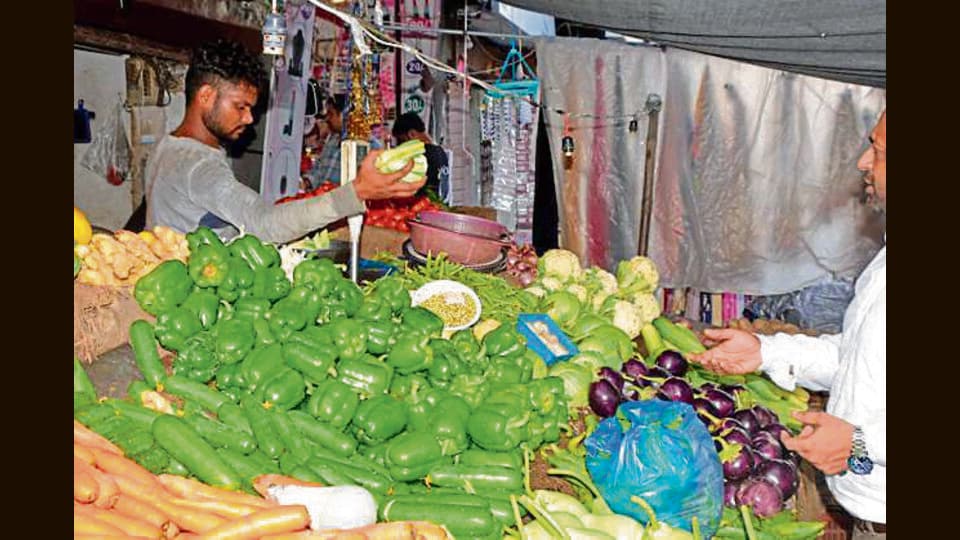
Before the advent of rain, essential vegetables such as tomatoes which were sold at ₹1,125 per 25-kg bag, are now trading between ₹1,300 and ₹2,000. The prices of essential vegetables such as onions, a staple in almost every household, have increased from ₹20 per kg to ₹24 per kg. Cauliflower prices have more than doubled, jumping from ₹35 to ₹75 per kg. Peas, another commonly used vegetable, have surged from ₹75 to ₹140 per kg, while coriander, an essential ingredient in daily cooking, is now selling at ₹110 per kg, up from ₹70.
Other vegetables have also witnessed significant price hikes. Cucumber rates have more than doubled, rising from ₹15 to ₹35 per kg, while brinjals have climbed from ₹15 to ₹30 per kg. Ginger, a key ingredient in many dishes, has also gone up slightly from ₹70 to ₹75 per kg.
Ludhiana, a city that relies heavily on regular vegetable supplies from Himachal Pradesh, is facing significant challenges due to recent disruptions in transport. Continuous landslides and multiple road blockages on the prominent highways linking the two states have delayed the movement of trucks carrying fresh produce. As a result, several consignments have either been damaged or spoiled before reaching the city, leading to a noticeable shortage of vegetables in local markets.
Shampy, a local trader at Sabzi mandi said, “Most of the vegetable supplies in Ludhiana come from Himachal. With severe road blockages, trucks get stuck for days, causing crops to spoil. Currently, we are receiving only 8% to 10% of the usual supply, which is why prices have skyrocketed.”
Residents, too, are feeling the pinch on their wallet. Neha Verma, a homemaker, said, “Buying vegetables has become really difficult for families like mine. The prices have gone up so much that even a simple meal now costs far more than usual. We are forced to cut down on the quantity of vegetables we use every day, and sometimes we have to skip certain items altogether. It is getting stressful to manage daily meals.”


