
 E-Paper



Ludhiana:NGT seeks PPCB’s response on discharge into Buddha Nullah
Officials said the PPCB submitted its affidavit during the hearing, and a comprehensive report would be presented at the next hearing on February 20

 Prefer HTon Google


The National Green Tribunal (NGT), during a hearing on Monday, directed the Punjab Pollution Control Board (PPCB) to file a detailed reply, regarding discharge from the Bahadur K Road common effluent treatment plant (CETP) into the Buddha Nullah.
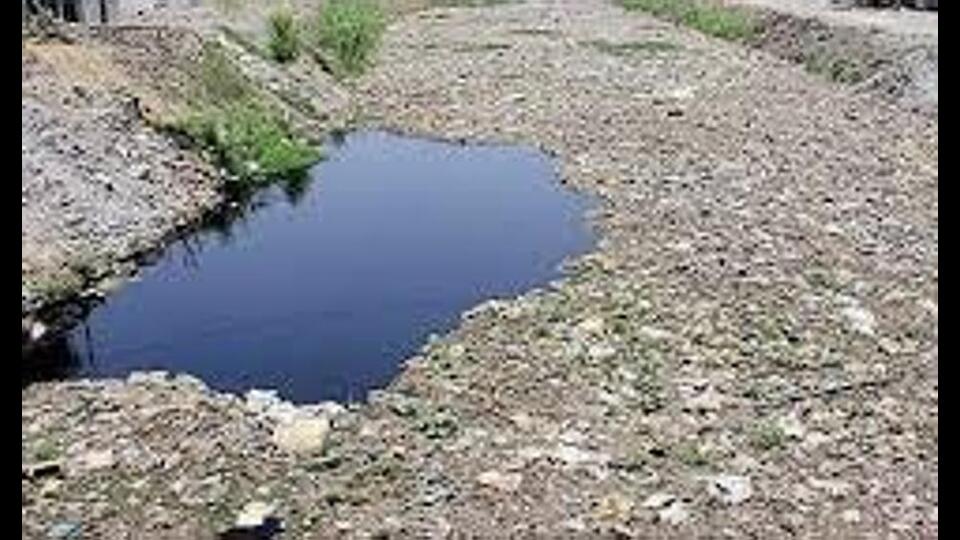
Officials said the PPCB submitted its affidavit during the hearing, and a comprehensive report would be presented at the next hearing on February 20.
The appeal, filed by environment activists, pertains to the directions issued under Section 33-A by the PPCB to the 40 MLD CETP, instructing it to cease discharging effluent into Buddha Nullah or any other surface waterbody. Senior counsel AR Takkar, representing the CETP operators, detailed the timeline of the project, which according to him was conceptualised and executed based on assurances from the Punjab government.
Takkar argued that the treated effluent was meant for irrigation and plantation for which a separate channel was to be created. He pointed out that irrigation officials had prepared a detailed plan in 2012, but the plan was never implemented. The CETP, funded by the Union ministry of environment, forests and climate change in 2016, was approved after an assurance from PPCB officials at that time, according to the defendants.
Takkar further said, “The 40 MLD CETP complies with all prescribed environmental standards with lab reports from the PPCB and the PBTI confirming adherence to norms.”
Activist Kapil Arora, present during the hearing, contested PPCB’s claims, stating that the “board admitted in court that no environmental clearance had been granted”. He highlighted that the PPCB gave time to the industrial units to take action before January 7, 2025.
Another activist, Jaskirat Singh, argued that authorities were misinterpreting the NGT’s previous orders as a blanket stay, allowing continued discharge into the Buddha Nullah. He urged the tribunal to enforce stricter compliance with environmental norms.
Industrialists, meanwhile, defended the CETP, citing efforts to maintain environmental standards and submitting compliance reports, supported by Google imagery. They blamed the state government for “failing” to implement the irrigation and plantation scheme, which would have addressed effluent disposal concerns.
The NGT reiterated its previous stance that environmental clearance conditions explicitly prohibit any discharge of treated or untreated effluent into the Buddha Nullah. While issuing an interim order, the NGT clarified that no coercive action would be taken against the CETP, provided it adheres to environmental norms. The tribunal warned of strict measures over non-compliance.
PPCB chief engineer RK Rattra said, “We have submitted our reply to the court as directed. A detailed explanation regarding the initial approval and functioning of CETPs since 2009 will be provided in the next hearing.”


