
 E-Paper



Major bridges in Srinagar to be fenced to prevent deaths by suicide
The decision was taken a day after a teenage girl lost her life after she jumped over a bridge in Srinagar on Wednesday


To prevent deaths by suicides, the administration has decided to fence five major bridges--Nawa Kadal, Fateh kadal , Gow kadal, Safakadal and Noor Jahan Bridge Qamarwari--in Srinagar.
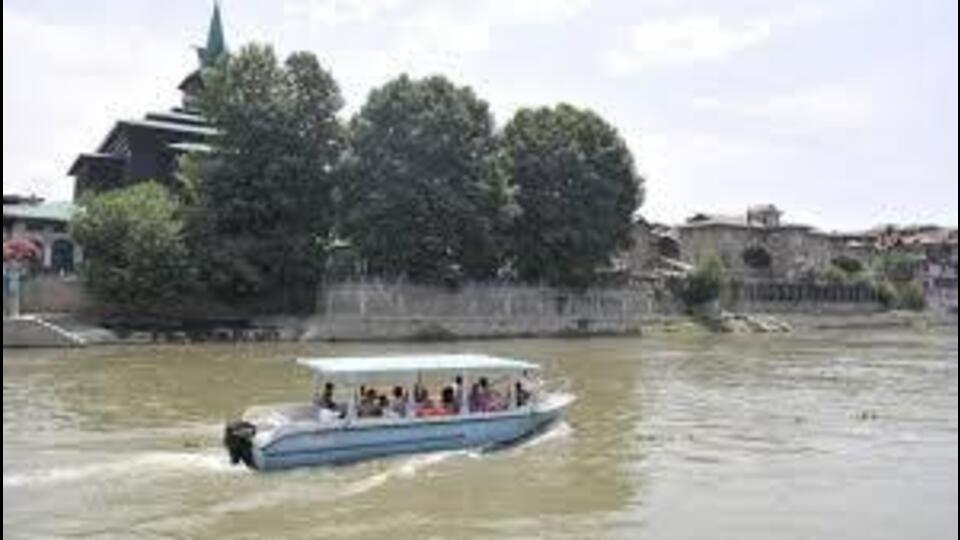
The decision was taken a day after a teenage girl lost her life after she jumped over a bridge in Srinagar on Wednesday. Her body was recovered on Friday just 2 km downstream. A video of her disappearing into the river currents also went viral on the social media platforms. Earlier also there have been attempts by people to die by suicide by jumping into the river over various bridges.
An official on Thursday said that in order to prevent attempts of death by suicide, the Srinagar administration has started the works for fencing of sides of the major bridges in the city. “The process for fencing the sides of various bridges in Srinagar City has been started to save precious human lives,” said Srinagar deputy commissioner Bilal Mohi-Ud-Din Bhat.
Bhat said a detailed project report regarding fencing has been formulated and ₹19 lakh each has been earmarked for fencing the sides of Nawa Kadal and Fateh kadal bridges.
“Similarly, DPR of ₹9 lakh has been framed for Gow kadal bridge and ₹29 lakh for Safakadal bridge. While fencing the sides of Noor Jahan Bridge over river Jhelum at Qamarwari would be completed at a cost of ₹11 lakh to avoid any further mishap or any suicide incident,” he said.
In a research paper in Science Direct on “Effectiveness of physical barriers to prevent suicide by jumping from high-risk bridges…’ published in June 2024, the authors concluded that “results clearly show that physical barriers are highly effective at preventing suicide by jumping with little to no method or location substitution occurring. Furthermore, their cost is far outweighed by the monetary benefits of averted suicides.”
Srinagar is a city of bridges with seven major bridges made of wood constructed between 15th and 18th centuries over the river Jhelum which cuts through the city. Since then the bridges have been reconstructed many times or new parallel bridges of concrete have taken their place.


