
 E-Paper



Mixed cropping gaining ground in rural Chamba
Project director says more than 10,000 farmers have switched to the ecological technique in the Himachal district since 2018

 Prefer HTon Google


Farmers in rural Chamba district are reaping benefits of the traditional and time-tested mixed cropping method, also called nau-anaj (nine crops).
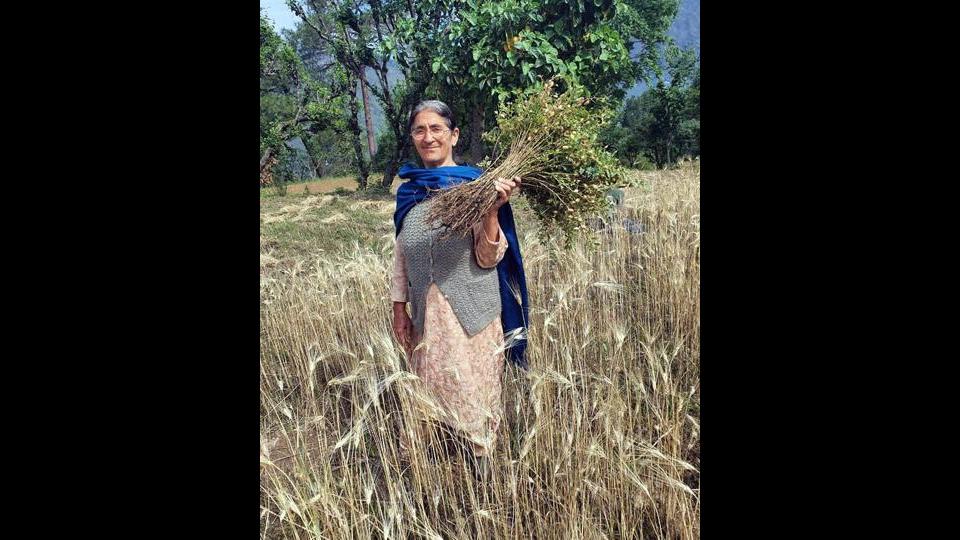
Under this farming system, nine crops are grown in the same field. They are a combination of lentils, cereals, vegetables, legumes and creepers. The maturity time, water and nutrient requirement of the crops is different. This indigenous practice provides natural resistance from crop diseases, infestations and droughts.
Also read: Govt hikes MSP for kharif crops, skews them toward scarce items
Chamba project director of the Agriculture Technology Management Agency (ATMA), Dinesh Kumar says, “More than 10,000 farmers have switched to the ecological farming technique under the Prakritik Kheti Khushal Kisan Scheme since 2018. Unlike the mono-cultural system, farmers are going for mixed crops of maize, French beans, wheat, black gram, black lentils, kidney beans, horse gram, cucumber, bottle gourd, brinjal, tomato and cowpea.”
935 hectares under mixed cropping
At present, 935 hectares in the district are under mixed cropping.
The crops grown by this technique are chemical-free and the soil and groundwater safe. It helps earthworms and other micro-organisms thrive and they play a key role in cycling nutrients. A benefit of mixed cropping is that if any kind of damage is caused to one crop, the co-crop compensates for it as the moisture in the soil remains intact even during the dry season due to the crop cover.
Subsidy of ₹25,000 to each farmer
To promote natural farming, the management agency is providing a subsidy of ₹25,000 to each farmer who switches over to this technique to buy an indigenous cow. Apart from it, ₹5,000 is being given for the transportation of the cow besides ₹2,000 as market fee. An amount of ₹8,000 is being given for concreting and pitting of cowshed to collect cow urine and ₹2,250 for drums for preparing various inputs and their storage. Besides, ₹10,000 is being given to each family for opening resource stores.
“This financial year, ₹1.32 crore is being spent under the scheme in the district,” Kumar says, adding that training camps for farmers are being held besides a food security group.


