
 E-Paper



Monkeypox: PGIMER Chandigarh reserves beds, to examine patients with fever, skin lesions
PGIMER Chandigarh has also roped in its dermatology wing for examination of patients with fever and skin lesions


Amid growing concerns over spread of monkeypox virus in India, the Post Graduate Institute of Medical Education and Research (PGIMER) on Tuesday reserved a few beds in the hospital to isolate the infected and suspected patients.
The institute has also roped in its dermatology wing for examination of patients with fever and skin lesions. Any patient suspected of having symptoms similar to monkeypox will be directed to the dermatology wing of the institute for examination and required testing.
On the directions of the Union health ministry, the officials of PGIMER conducted a meeting to review the institute’s preparedness for management of monkeypox cases.
“With monkeypox being a dermatological infestation, the department of dermatology has been directed to take the lead for examination and management of such suspected cases. Suspected patients will be asked to report in the dermatology department,” said the official spokesperson of PGIMER, adding that to minimise the disease transmission, cases requiring active management will be admitted, while stable patients will be advised for home isolation.
The department of virology will collect the sample of the suspected patient and send it to the National Institute of Virology in Pune for testing.
So far, four cases of monkeypox – three from Kerala and one from Delhi – have surfaced in India. Concerns grew after the patient from Delhi was found to have no history of foreign travel, while the three patients in Kerala had travelled from the United Arab Emirates.
Know the disease
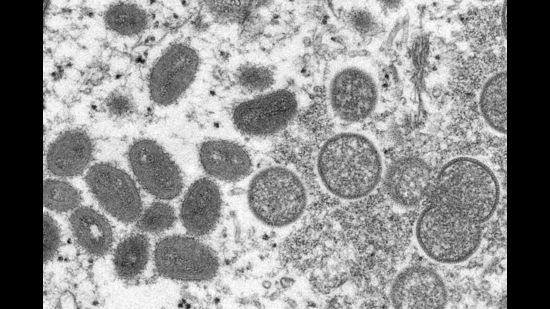
Monkeypox is a viral zoonotic disease that is mainly transmitted from animals to humans, but also spreads among humans.
It spreads through direct or close contact with the respiratory droplets, body fluids or lesions of an infected person or animal. The disease can be lethal for children or adults with low immunity
Globally, more than 16,000 monkeypox cases have been detected prompting the World Health Organization (WHO) to declare the monkeypox outbreak as a global health emergency.
The most common symptoms of monkeypox include fever, headache, muscle ache, back pain, low energy and swollen lymph nodes, along with pox rashes that last for two to three weeks. Complications of the infection include pneumonia, secondary skin infections, confusion and eye problems.


