
 E-Paper



NGT panel flags illegal felling of trees in Barnala, seeks FIR against officials
According to officials, the findings were submitted before the NGT on May 11 by the joint committee comprising representatives of the Central Pollution Control Board (CPCB), Union ministry of environment, forest and climate change (MoEF&CC) and the Punjab forest department.

 Prefer HTon Google


A joint committee constituted by the National Green Tribunal (NGT) has found prima facie evidence of large-scale illegal felling and uprooting of green and heritage trees on government land in Barnala, allegedly carried out without mandatory permissions and under the watch of officials of the improvement trust.
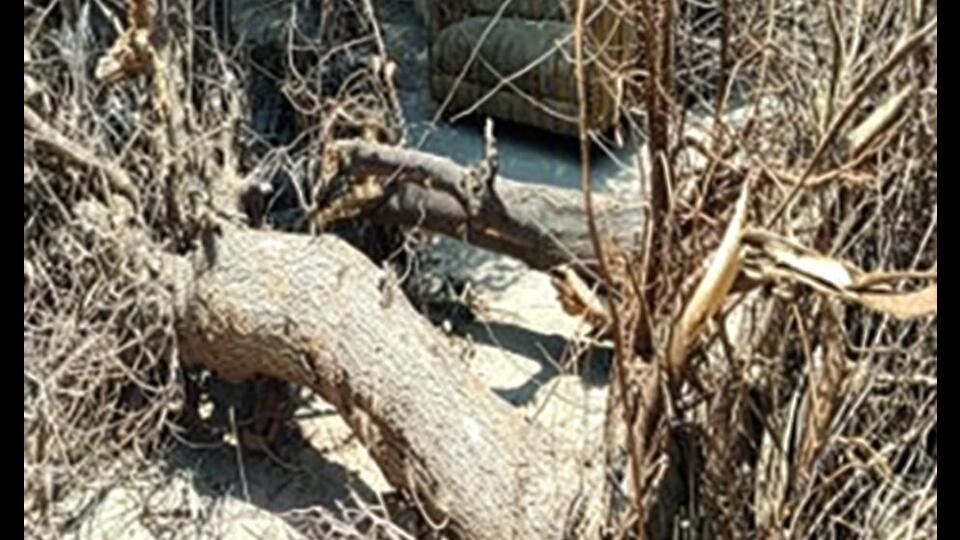
Calling it a serious violation of environmental norms, the panel has recommended registration of a first information report (FIR) and disciplinary proceedings against the officials concerned.
According to officials, the findings were submitted before the NGT on May 11 by the joint committee comprising representatives of the Central Pollution Control Board (CPCB), Union ministry of environment, forest and climate change (MoEF&CC) and the Punjab forest department.
Officials aware of the development said the matter pertains to an application filed by one Gurpreet Singh, who alleged that nearly 140 green and heritage trees, some around 50 years old, were illegally uprooted using excavators on the improvement trust land near Phawara Chowk in Barnala. The trees reportedly included neem, banyan, peepal, mulberry, teak, kikar, tahli and jand species.
During a site inspection conducted on April 30, the committee found that the land had been excavated and levelled for construction-related activities. Large heaps of excavated soil and freshly dumped earth were observed across the site. The panel noted that the improvement trust failed to produce any permission, tree enumeration records or official documents authorising the felling of trees.
The report (seen by HT) stated that representatives of the improvement trust admitted no prior approval had been obtained from the forest department before the trees were cut. Though the land falls under the non-forest category, the committee clarified that tree felling still required compliance with state regulations and permission from competent authorities.
At the time of inspection, the committee identified 76 standing trees with girth above 30cm and another 26 undersized trees at the site. However, uprooted stumps, disturbed soil and signs of recent tree removal were also found. The complainant also submitted videos and photographs allegedly showing cutting operations and transportation of tree logs from the site.
The committee observed that physical evidence strongly indicated large-scale tree cutting and transportation had taken place. However, it said the exact number of felled trees could not be conclusively determined as most residues and logs had already been removed before inspection.
Statements of local residents and slum dwellers living nearby were also recorded. One resident, Vijay Kumar, reportedly informed the panel that nearly 200 trees had existed at the site earlier and that all uprooted trees were green and healthy before being cut.
The committee noted that local residents had directly blamed the chairman and officials of the Barnala Improvement Trust for ordering the felling of trees. It further stated that despite repeated queries, officials failed to furnish work orders, administrative approvals or records related to the deployment of heavy machinery at the site.
The panel recommended that the NGT direct the senior superintendent of police (SSP), Barnala, to register an FIR under relevant provisions of the Indian Penal Code, including offences related to theft of public property and criminal breach of trust, against the responsible officials.
Chairman of the improvement trust Ram Tirath Manna said: “We fully cooperated with the joint committee during its site inspection but I am not aware of the contents of the NGT panel’s report.”
The committee also proposed disciplinary action against Improvement Trust officials under the Punjab Civil Services Rules for failing to prevent unauthorised tree felling. It further suggested contempt proceedings, observing that the alleged felling of trees violated an earlier blanket ban imposed by the Punjab and Haryana high court in a related matter.
The forest department assessed the market value of 55 identifiable uprooted trees at approximately ₹1.31 lakh and recommended recovery of the amount as compensation from the officials held responsible.
As part of remedial measures, the committee proposed compensatory plantation in a 1:5 ratio, requiring plantation of at least five saplings for every tree felled, along with their maintenance for five years.


