
 E-Paper



PGI launches genetic disorder testing initiative in Moga
Pratishtha Sharma, representative of PGIMER, informed that over the next three years, nearly 30,000 antenatal care (ANC) women in Moga will be screened for HbA2 (hemoglobin) levels using high-performance liquid chromatography (HPLC).

 Prefer HTon Google


The Postgraduate Institute of Medical Education and Research (PGIMER) at Chandigarh, in collaboration with the government of Punjab, has launched the DBT-UMMID (unique methods of management and treatment of inherited disorders) initiative to enhance health care services for genetic disorders in Moga.
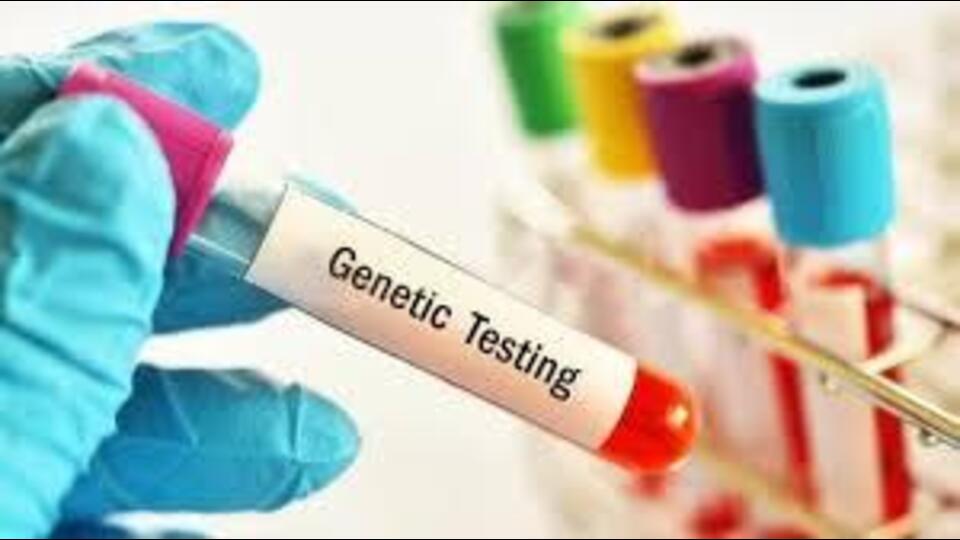
Funded by the department of biotechnology (DBT), union ministry of science and technology, this three-year project aims to provide comprehensive genetic screening and interventions for the local population, with a focus on women and newborns.
While reviewing the progress of schemes of the health department, Moga deputy commissioner Vishesh Sarangal said that this initiative would significantly strengthen the health care infrastructure of civil hospital Moga, making advanced genetic testing and timely medical care more accessible. “For the people of Moga, the project promises improved early detection, leading to better health outcomes for both mothers and newborns. By addressing genetic health risks at the earliest stages, it aims to save lives and reduce the long-term burden of untreated genetic disorders on families and the health care system,” he said.
The deputy commissioner directed the civil surgeon and other officers to appoint nodal officers at CHC and PHC levels for the effective implementation of this project. He asked to conduct staff training.
Pratishtha Sharma, representative of PGIMER, informed that over the next three years, nearly 30,000 antenatal care (ANC) women in Moga will be screened for HbA2 (hemoglobin) levels using high-performance liquid chromatography (HPLC). “If both partners are identified as carriers of a genetic disorder thalassemia, prenatal testing will be conducted at PGIMER to assess any potential risks. Additionally, almost 15,000 newborns will undergo screening for common, treatable genetic disorders, including congenital hypothyroidism, congenital adrenal hyperplasia, galactosemia, G6PD deficiency biotinidase deficiency in the next three years. Early detection of these conditions is crucial, as timely interventions can prevent severe health complications and save lives,” she added.
Earlier, while reviewing the performance of the health department, Sarangal directed the officials to make special efforts to reduce maternal and child mortality rate and home deliveries as well as increase ANC registration. He said that ASHA workers should go door to door and create awareness so that women get their deliveries done in government hospitals.


