
 E-Paper



Punjab: Info commission orders disclosure of inquiries handled by retired judge
The order says personnel department had initially denied information, stating inquiries were entrusted by different departments

 Prefer HTon Google


The Punjab State Information Commission (PSIC) has directed the state personnel department to disclose information regarding departmental inquiries handled by retired additional district and sessions judge BC Gupta, while flagging gaps in the government’s system for maintaining records of inquiries entrusted to retired judicial officers.
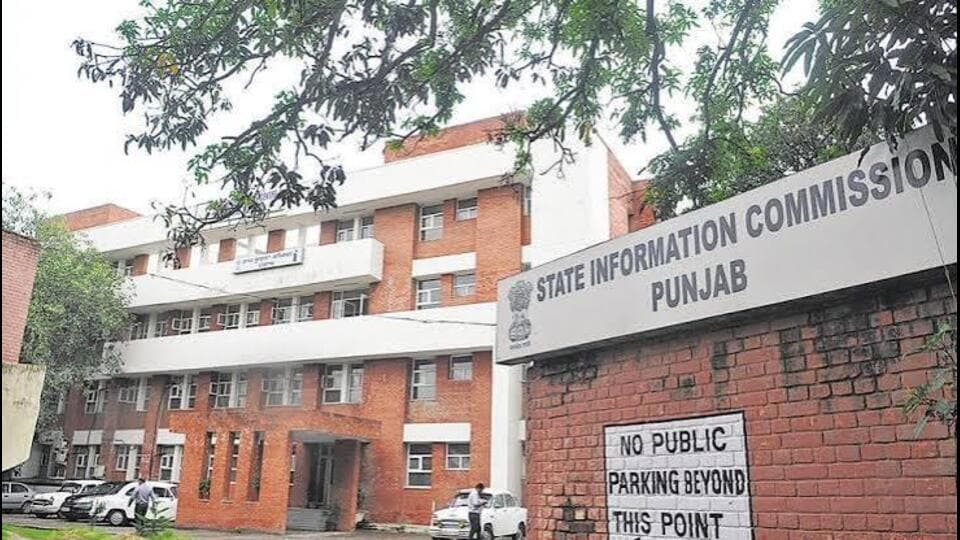
The order, passed by chief information commissioner Inderpal Singh on Monday came in an appeal filed by RTI applicant Harinder Singh Sidhu, who had sought details of the number of inquiries marked to, pending with and decided by Gupta between January 2020 and June 2023.
According to the order, the personnel department had initially denied the information, stating that inquiries were entrusted by different departments and that the applicant could approach the departments concerned. However, the commission held that the information sought fell within the ambit of the Right to Information Act and directed that it be supplied to the applicant within 30 days.
Gupta retired as an additional district and sessions judge from the UT Chandigarh in March 2002. He later served as a member of a consumer court and as a faculty member at the Chandigarh Judicial Academy before being included in the Punjab government’s panel of inquiry officers. The commission’s order does not specify the exact date on which he was first inducted into the panel.
Gupta was independent inquiry officer in notable high-profile administrative and departmental probes commissioned within Punjab
The order records that Gupta was appointed to conduct three regular departmental inquiries against Sidhu, then additional registrar, cooperative societies, by the then additional chief secretary, Punjab. The appointment orders included one dated December 16, 2019. The inquiries remained inconclusive after the Punjab and Haryana high court directed in July 2020 that proceedings could continue but no final decision be taken pending further orders.
Gupta had contended before the commission that, being a retired judicial officer, he was not a public authority under the RTI Act and was not required to maintain records of the inquiries entrusted to him. He said inquiries were assigned by administrative secretaries or heads of departments and that, after completion, the original records and inquiry reports were returned to the concerned departments.
The commission, however, rejected the contention that the information could not be disclosed. It observed that the personnel department recommends inquiry officers and circulates their panel to government departments. It also noted that Gupta was remunerated by the government for conducting inquiries and was, therefore, subject to government control in the discharge of his assigned functions.
The case has also highlighted a government instruction issued on December 20, 2019, which stipulates that no inquiry officer should be entrusted with more than 20 inquiries in a calendar year. The commission also recommended that the chief secretary ensure that details of inquiries entrusted to individual officers are compiled at least quarterly, half-yearly or annually to monitor compliance with the prescribed limit.
The personnel department has since constituted a fresh panel of inquiry officers. According to the commission, Gupta’s name does not figure in the new panel issued in July 2025.


