
 E-Paper



Punjab sees 50% drop in farm fires
Punjab recorded 142 farm fire incidents on Monday, taking the season’s count to 2,137, which is half of what it was last year on this day.

 Prefer HTon Google


Punjab recorded 142 farm fire incidents on Monday, taking the season’s count to 2,137, which is half of what it was last year on this day. With 19 cases, Sangrur had the highest farm fires on the day.
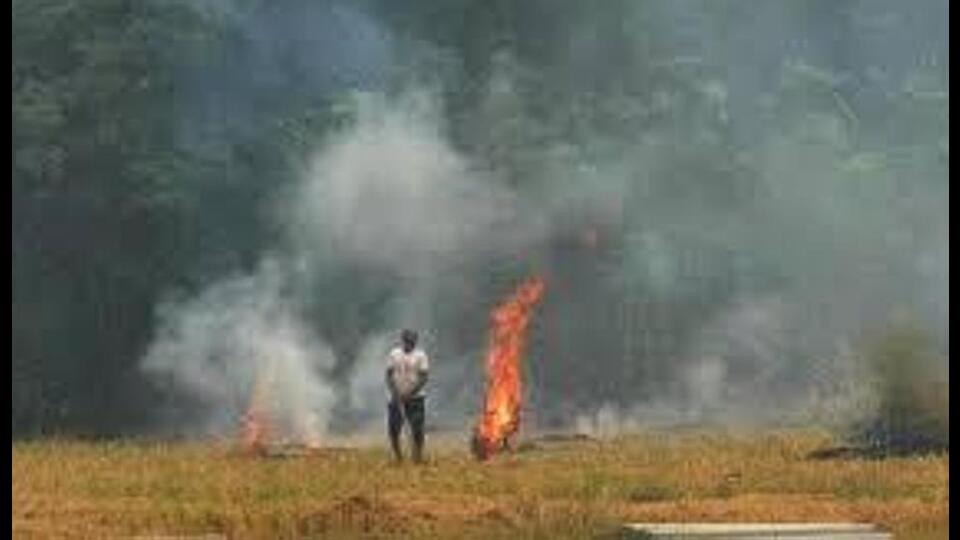
From September 15 to October 28, Punjab recorded 2,137 farm fire cases as compared to 4,186 during the corresponding period last year, according to Punjab Pollution Control Board (PPCB) data.
Though Punjab has witnessed a nearly 50% drop in farm fires this year, a bulk of harvesting is yet to take place. As of now, only 40% of paddy crop has been harvested. Last year, around 46% paddy had been harvested during this period.
Notably, paddy was sown on around 32 lakh hectares, across Punjab, this year, as compared to 31 lakh hectares in 2023.
At 489, Amritsar has recorded the highest stubble burning cases so far this year. It is followed by another border district, Tarn Taran with 389 cases. Patiala is at the third spot with 266 incidents.
Brace for more in coming days: PPCB
Punjab Pollution Control Board (PPCB) officials claimed that there could be a sudden rise in stubble burning cases in the coming days as harvesting would pick up pace, because the time window to sow the next crop — wheat — is shrinking by the day.
Farmers are in a hurry to clear the paddy field so as to prepare it for the next crop. Farmers have to sow wheat by November 15 to get a good yield.
Punjab agriculture department director Jaswant Singh said, “Paddy harvesting has picked up pace over the past few days. In the coming days, farmers – especially of Malwa region – will start harvesting paddy at large scale. So far, around 40% of paddy has been harvested in the state.”
When asked about the reason for the drop in farm fires this year, the agriculture director said that efforts are on to convince farmers not to resort to stubble burning. “Over 9,000 nodal officers are working to dissuade farmers from stubble burning. Besides, owing to continuous efforts by the government over the past few years, farmers have already realised the harmful effects of burning stubble. Therefore, the numbers are going down every year,” said Dr Jaswant Singh.
High day temperature to affect wheat-sowing: Experts
Wheat experts of Punjab Agricultural University informed that day and night temperatures were above normal, therefore, farmers should wait for some days before starting wheat sowing. Experts said that night temperature should be around 19°C while the day temperature should be around 25°C for wheat sowing otherwise it would impact the germination process, and eventually affect crop yield. Currently, Punjab’s average minimum temperature is markedly above six degrees above normal. India Meteorological Department’s data reveals that Punjab’s maximum temperature was three degrees above normal, and Bathinda was the hottest at 36.6°C.


