
 E-Paper



Punjab targets 5 lakh acres under DSR; ₹1,500 per acre incentive via online portal
Minister Gurmeet Singh Khudian said 23,410 farmers adopted the DSR technique during the 2025 kharif season, covering 2,35,899 acres under direct paddy sowing.

 Prefer HTon Google


In a push to conserve groundwater and promote sustainable paddy cultivation, Punjab agriculture and farmers welfare minister Gurmeet Singh Khudian on Sunday said the state has set a target of bringing 5 lakh acres under the Direct Seeding of Rice (DSR) technique during the 2026-27 kharif season, with a budgetary provision of ₹40 crore.
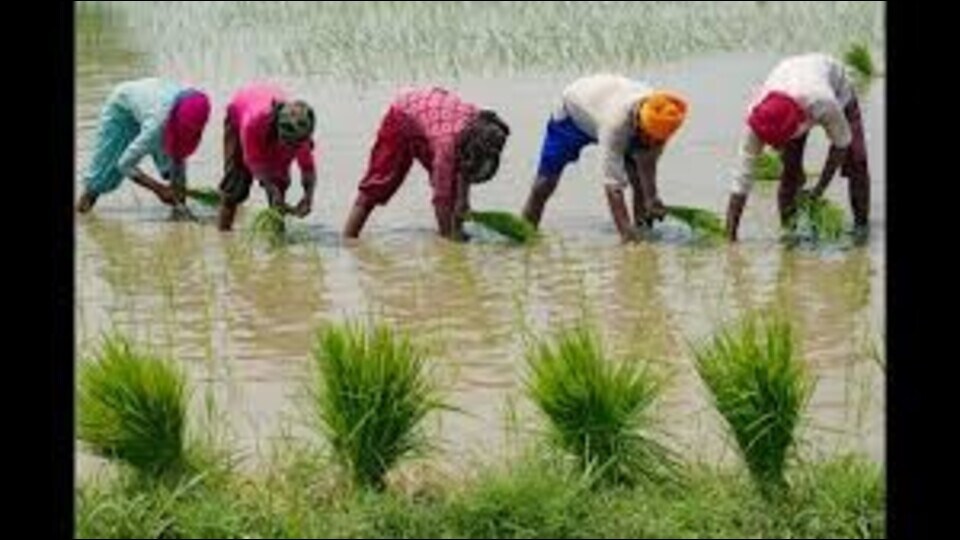
The minister said 23,410 farmers adopted the DSR technique during the 2025 kharif season, covering 2,35,899 acres under direct paddy sowing. The state government has disbursed over ₹35.38 crore as financial assistance at the rate of ₹1,500 per acre directly into the bank accounts of eligible farmers.
Calling it a “farmer-led revolution in water conservation”, Khudian said the response received during 2025-26 has laid a strong foundation for expanding the initiative further.
“With a ₹40-crore outlay and a target of 5 lakh acres for 2026-27, we are scaling up our commitment to save precious groundwater,” he said.
The minister urged farmers to adopt the water-saving DSR technique and register early to avail the incentive, adding that the online DSR registration portal is already operational.
Khudian said the DSR method eliminates puddling and nursery transplantation, helping reduce irrigation water use by 15-20% while significantly lowering labour costs. He said the technique is a crucial intervention in Punjab’s strategy to check the declining groundwater table while balancing ecological concerns with economic incentives for farmers.


