
 E-Paper



Punjab to table Bill to cap private school fee hikes at 5%
Monsoon session legislation to make July ordinance permanent; over 32 lakh students across 7,800 schools set to benefit

 Prefer HTon Google


The Punjab Government will introduce the Punjab Regulation of Fee of Un-aided Educational Institutions (Amendment) Bill, 2026, during the monsoon session of the Vidhan Sabha—scheduled from August 3 to August 10—to give permanent legal backing to an ordinance in force since July 13. The legislation establishes a strict regulatory framework governing private school fees to protect students and parents from arbitrary hikes.
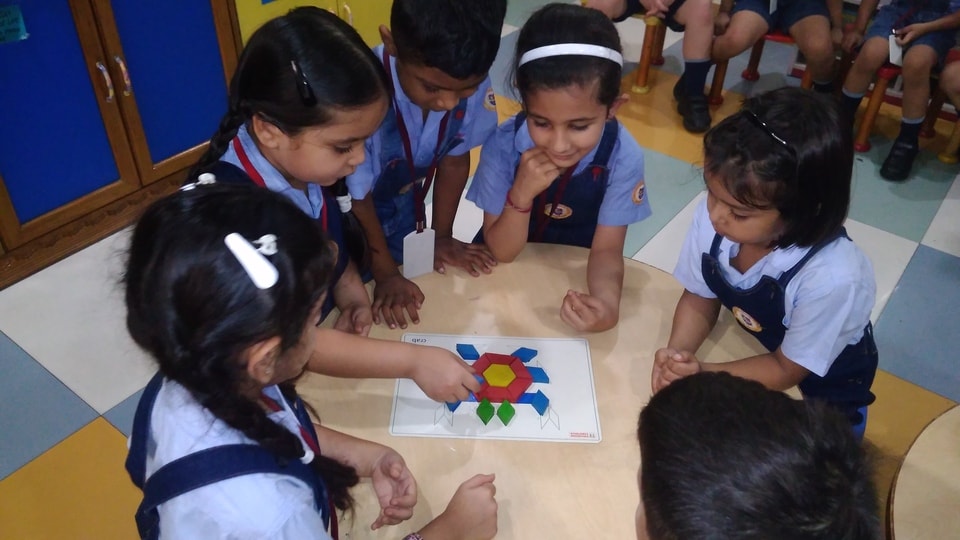
The measure covers over 32 lakh students across more than 7,800 private schools in the state. Key provisions include caps on annual fee increases, mandatory refunds for excess collections, and statutory powers for forensic audits of institutional accounts.
Under the new law, private schools cannot independently increase fees by more than 5% annually. Any proposal above this threshold requires prior written approval from the district regulatory body following a scrutiny of the school’s financial records.
Additionally, if a school’s cumulative fee hike over the past three years exceeds 15%, the excess amount must be refunded. To prevent institutions from circumventing the cap by splitting charges under different heads, all compulsory fees will be aggregated when calculating the threshold. Capitation fees and commercial profiteering remain strictly prohibited.
Enforcement and penalties
District regulatory bodies, chaired by respective deputy commissioners, have been tasked with enforcement. Every private school must upload its fee records for the past four years onto the education department’s online portal.
The regulatory bodies are empowered to order forensic audits—either suo motu or based on parent complaints—and are mandated to resolve grievances within a fixed timeframe after granting schools a hearing.
Violations carry strict penalties: ₹50,000 for a first offence and ₹1 lakh for a second. Continued non-compliance may lead to the cancellation of a school’s recognition or affiliation alongside further legal action.
Implementation status
While the Bill converts the July 13 ordinance into permanent statute, implementation is already underway. Over 6,500 schools have submitted their fee records for government scrutiny, with refund orders for excess fees to be issued upon completion of the review.
“Punjab has introduced one of the most stringent private school fee regulation frameworks in the country—with hard caps, mandatory refunds, and provisions for forensic audits, rather than mere guidelines,” said school education minister Harjot Singh Bains. “The ordinance is already active, meaning schools are bound by the 5% cap today. Parents do not need to wait for the assembly to pass the Bill. Education is a public good, not a commercial enterprise.”


