
 E-Paper



Rabi diversification pays dividends to farmers as mustard prices at all-time high in Punjab
Data from Punjab agriculture department says an estimated 1.34 lakh acre was under mustard cultivation in 2021-22, highest in last 15 years. Since 2007, farmers are sowing mustard on 30,000 hectares or 74,000 acres every year


After diversifying to mustard crop (about 44% jump) in the 2021-22 rabi season, enterprising farmers are now reaping profit by selling the produce for up to ₹7,000 per quintal, 28% higher than this year’s minimum support price (MSP) and an all-time high for the crop in Punjab.
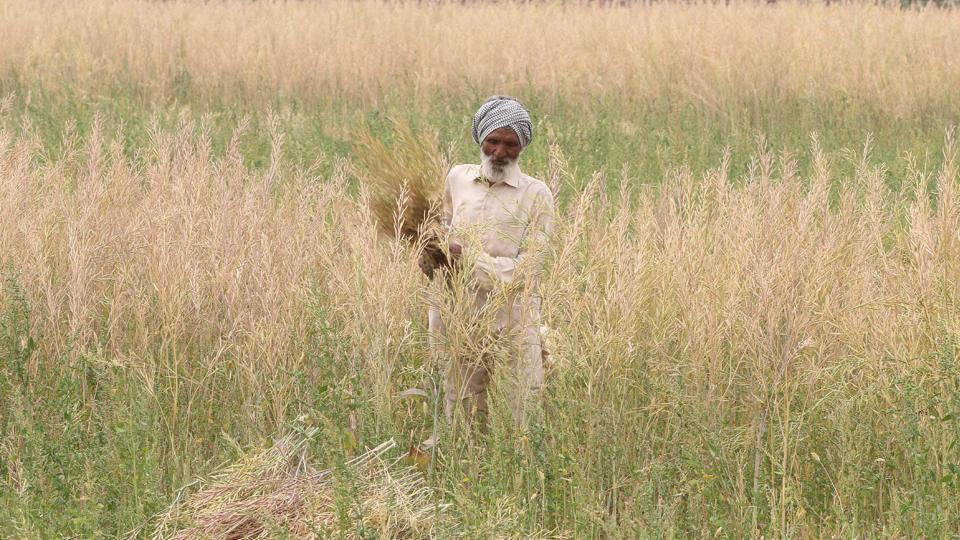
Farm experts and progressive farmers see hope in the emerging trend as the low-cost input mustard crop is instrumental in conserving water.
Nachatar Singh, 31, from Bathinda’s Naruana village had sown mustard on 12-acres taken on lease for the first time and recorded a yield of average of 7 quintals from an acre.
In the last kharif or summer crop season, he suffered losses after his cotton fields were infested by pink bollworm.
“The average cotton yield was decimated to 4 quintals against the earlier production of 12-16 quintals from an acre. Then I took a calculated risk and diversified to mustard instead of wheat in the rabi season. Oilseed cultivation helped in overcoming previous losses to an extent and I have decided to sow mustard on more area in October this year,” he said.
Data from the state agriculture department says an estimated 1.34 lakh acre was under mustard cultivation in 2021-22, the highest in the last 15 years.
However, it was 70% less than 1974-75 when the total area under mustard in the state was 4.4 lakh acres.
Since 2007, farmers are sowing mustard on about 30,000 hectares or 74,000 acres every year.
Agriculture director Gurvinder Singh said following a sustained push by the state authorities for crop diversification, farmers have started sowing to diversify the rabi crop cycle.
“We are chalking out programme to enhance oilseed cultivation that has a huge market potential,” he added.
Gurcharan Singh from Muktsar’s Udekaran village said mustard is the best alternative rabi crop for the semi-arid districts of south Malwa.
“Mustard requires irrigation once or twice against wheat which needs irrigation five-six times. Since this region depends mainly on the canal system and the groundwater table has depleted to an alarming level, mustard is the viable economic solution. It is less labour intensive and more remunerative than wheat,” said Gurcharan, who sowed oilseed for the first time in 45-years.
Like Gurcharan, Baldev Singh from Bajak village of Bathinda has also stocked entire produce to wait for higher prices for oilseeds.
“Mustard, a non-perishable crop that can be stored for months, drastically reduces the chemical load on soil and it is more ecologically friendly than wheat. Husk produced after its processing pays about ₹3,000 per acre which is more than the actual harvesting cost of mustard,” he added.
Baldev urges that the government’s organised intervention in buying the produce will stabilise the market and boost the morale of farmers for crop diversification.
Rakesh Rathi, a leading trader and mustard miller, said farmers may continue to get high rates in the coming months as demand for oilseed has increased due to the Russia-Ukraine war and the ban on palm oil export by Indonesia.
“India’s need for cooking oil is import-oriented and the global trend has shot up rates of mustard and oil crops. The government should promote the cotton-mustard combination in the Malwa region and elsewhere to get out of the wheat-paddy cycle for water conservation,” said Rathi.
In 2021-22, Fazilka had the highest 37,000 acres under mustard which was 80% more than its previous rabi season.
Bala Ram from Fazilka’s Saidanwali village said the cost input of mustard is half than that of wheat and the former has higher profitability.
“Wheat needs an investment of estimated ₹12,000-15,000 per acre whereas a farmer has to spend about ₹7,000 per acre on mustard. This year wheat yield was dropped by 20% whereas its alternative mustard is paying the dividend to farmers,” he said.


