
 E-Paper



SSPs, CPs in Punjab face performance review in anti-drug campaign
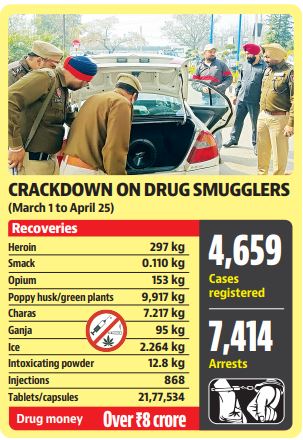
According to senior officials, all district police chiefs and commissioners have been asked to fill a detailed four-page self-appraisal proforma. This document requires officers to report their achievements under various heads, including the number of FIRs registered under the NDPS Act, arrests made, and quantities of heroin and other drugs recovered.

 Prefer HTon Google


In a first-of-its-kind initiative, the Punjab Police will conduct an appraisal of the performance of all senior superintendents of police (SSPs) and commissioners of police (CPs) based on their achievements in the first 50 days of the ongoing anti-drug campaign, ‘Yudh Nasheyan Virudh’.
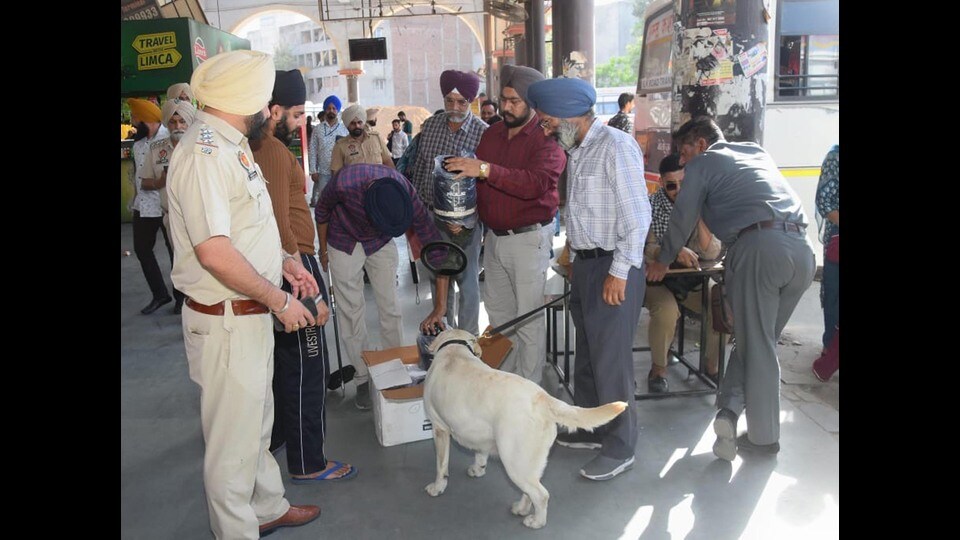
Launched by the Aam Aadmi Party-led Bhagwant Mann government on March 1, the campaign is positioned as a decisive war against the drug menace in Punjab.
According to senior officials, all district police chiefs and commissioners have been asked to fill a detailed four-page self-appraisal proforma. This document requires officers to report their achievements under various heads, including the number of FIRs registered under the NDPS Act, arrests made, and quantities of heroin and other drugs recovered.
The proforma also demands data on hawala operators apprehended, drug money recovered, arrests of listed suppliers, distributors and peddlers, as well as properties seized or demolished under the drive. Additionally, the officers must provide an in-depth analysis of drug hot spots in their jurisdiction, detailing the number of identified hotspots, raids conducted, cordon-and-search operations carried out and addicts admitted to de-addiction centres.
One of the most crucial aspects of the appraisal is the geographic breakdown of the district in terms of drug availability. Officers are required to indicate areas where drug availability is nearing zero, where it has significantly declined, and where it remains relatively high. A percentage-based variation in drug prevalence is also to be included.
Sources said that the Anti-Narcotics Task Force (ANTF), under the direction of director general of police (DGP) Gaurav Yadav, will cross-verify all claims made by the officers. The findings of this performance appraisal will play a significant role in the upcoming reshuffle of district police chiefs, expected in the first week of May.
In a recent meeting with CPs and SSPs, DGP Yadav said that the effectiveness of officers would be assessed based on results and adherence to the strategic goals of the campaign.
CM seeks support of panchayats for anti-drug drive
Punjab chief minister Bhagwant Mann on Thursday sought support of village panchayats for his government’s ongoing anti-drug drive ‘Yudh Nasheyan Virush’ and announced financial assistance for villages declared as “drug free”. Mann also announced to hike honorarium for sarpanchs (village heads) to ₹2,000 per month. A village that will declare itself “drug-free” will be given financial assistance worth ₹1 lakh, besides other ultra-modern facilities, Mann said.


