
 E-Paper



Stock shortage: As Centre tightens noose, Punjab rice millers seek scientific checks
The standard operating procedure (SOP), issued by the ministry on September 23, mandates recovery of the value of shortages with 12% interest and debarment from government milling for two years in cases of shortages found during physical verification

 Prefer HTon Google


The Union ministry of food and public distribution has issued directions for registration of criminal cases and recovery of double the cost of shortages found in paddy and rice stocks stored on rice millers’ premises.
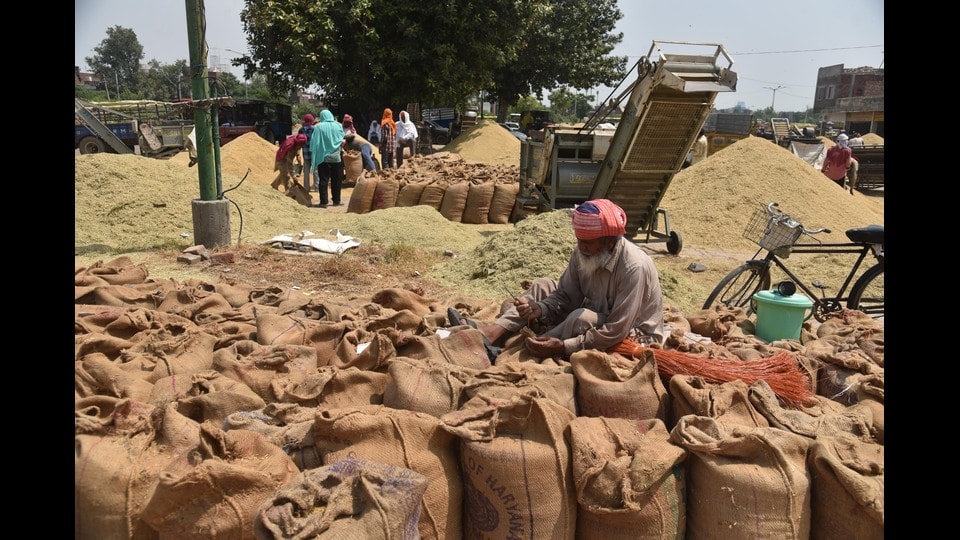
The standard operating procedure (SOP), issued by the ministry on September 23, mandates recovery of the value of shortages with 12% interest and debarment from government milling for two years in cases of shortages found during physical verification.
In a communication to all states, including Punjab and Haryana, the ministry has also asked the Food Corporation of India (FCI) and state agencies to jointly conduct physical verification of stocks.
The Centre’s directions have drawn a strong reaction from rice millers, who have sought clear, scientific and uniform standards for physical verification and shortfall in milling yield before paddy procurement begins on October 1 and the new milling season starts.
Ranjit Singh Jossan, vice-president of the rice millers association, said Punjab was facing a severe shortage of storage space. If paddy is stored at mills for 12 months, prolonged storage can increase moisture, damage and discolouration, he said.
“Despite this, millers are required to deliver rice to the FCI as per prescribed specifications, making it important to distinguish between technical milling yield variation and actual physical shortage,” he said. He added that shortages arising from hybrid paddy, different varieties, moisture, drying losses, broken rice and milling recovery should not automatically be treated as paddy shortage, theft or misappropriation.
The millers are also demanding that broken rice, rejected rice and other by-products generated during milling and lying at mills be included in the overall stock assessment.
Association president Bharat Bhushan Binta said scientific examination should be carried out before action is taken, as the Centre’s letter provides for recovery, 12% annual interest, FIRs and debarment from government milling for up to two years in cases of shortages found during physical verification.
A senior food and civil supplies department official, wishing not to be named, said such SOPs from the Centre were common and the state government had also imposed similar norms. He, however, added that the millers’ concerns would be dealt with sympathetically.


