
 E-Paper



Spice of Life: Rewinding ‘Jalebi’ to times when it was more than just a sweet!
Located in the heart of my maternal village, our shop was set up pre-independence by our forefathers with jalebi being its hallmark

 Prefer HTon Google


My tongue accords even-handed recognition to all sweetmeats, however, my sweet-tooth clandestinely knows “sweet jalebis” are to me what sweet nothings are to a passionate person. The reason behind this skewed inclination traces to my childhood heydays spent in the presence of my uncle who ran our modest ancestral sweetmeats shop.
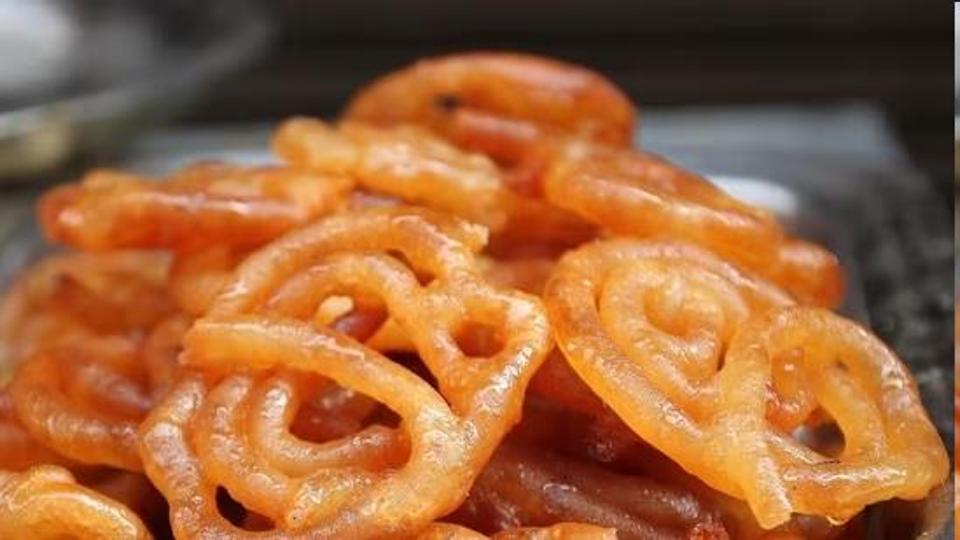
Located in the heart of my maternal village, our shop was set up pre-independence by our forefathers with jalebi being its hallmark in satisfying gourmandising tongues for generations. Come festivals like Diwali, Holi, New Year, et al and our shop dolled up like a winsome bride with fancy lights having makeshift counters extending upwards in multiple tiers exhibiting a luxuriantly elaborate menu of sweets with “jalebi” being the dominant head-turner.
All eyes trained on my mama ji playing chief halwai (sweetmeat-maker) throughout those festive days. His veined sticky hands repeatedly poured the batter painstakingly whisked overnight onto a white cotton cloth with a hole in it, who gathered its corners into a tight cone-shaped piping bag, and periodically squeezed it to form a series of DNA-shaped spirals into a large, round, and flat cauldron filled with desi ghee.
Turning raw jalebis over cyclically with his pair of tongs, he’d deep-fry them till they assumed their squarely golden and crispy texture.
Those were tech-free and hassle-free days sans home delivery food apps when people patiently waited for hours in serpentine queues for a fresh batch to munch on hot jalebis, savouring its rich crunchy bites melting into their mouths no sooner were they drawn out overwhelmingly steeped in sugary syrup. Helping him as kids, our hearts overflowed with immense delight if our untrained little hands got rare coveted access to Jalebi cloth only to make silly designs of batter of all possible shapes except circular coils.
We never thought our age-old sweet-legacy would end on a sour note without anyone to carry it forward when our shop plus hard-earned art of making luscious jalebis died together after sudden death of their chief keeper for, his only son settled in city eventually sold the shop to a grocery trader. Though, what didn’t die through fatal designs of sweeping time were all those pure and unadulterated memories we’d cooked together; especially when my adorable uncle would offer us a plain sweet on routine basis, while jalebis were reserved to observe “mooh meetha” ceremony in marking special achievements or occasions with thickly condensed rabri liberally poured on jalebis to play the role of icing on the cake.
Before the world stepped into the era of the internet, we had, for long, lived under an innocent impression. It’s only our great maternal forefathers worthy of credit for inventing and popularising this tempting snack in and around our region. Recently, my inquisitiveness to get deeper insights into this sweet course on internet caught me by merry surprise as I learnt my favourite sweet had remarkably mapped the globe courtesy its lip-smacking taste that went by varied tongue-twisting mouthfuls including jilapi, zelepi, jilipi, zulbia, but no name was as sweet-sounding and easy on tongue as our humble jalebi.
Even today, my hands cherry-pick jalebi over exotic desserts though knowing beforehand its sweetness by no means would match authentic standards my taste buds have naturally been trained to perceive throughout their developing years.
Nowadays, whenever I walk past our clan’s historic place, now modern market, my mind’s eye travels back in time. At counter of our old shop seemed to stand my mama ji sporting his atypical sweet smile on his lips, handing out sweetmeats to his customers before he’d apparently notice my presence and call me in to have my share of syrupy g(olden) jalebis that instead of inducing water in my mouth would water my “real” eyes!
unsharma3116@gmail.com
(The writer is a freelance contributor based in Una.)


