
 E-Paper



Tiger which migrated from Rajaji reserve found in Himachal Pradesh
It was a long-distance migration that saw the tiger cover hundreds of kilometres through Uttarakhand, Uttar Pradesh, Haryana and Himachal Pradesh, Rajaji Tiger Reserve director Saket Badola told news agency PTI

 Prefer HTon Google


A tiger that migrated from the Rajaji Tiger Reserve in Uttarakhand has been tracked in the Renuka forests of neighbouring Himachal Pradesh, officials said on Friday.
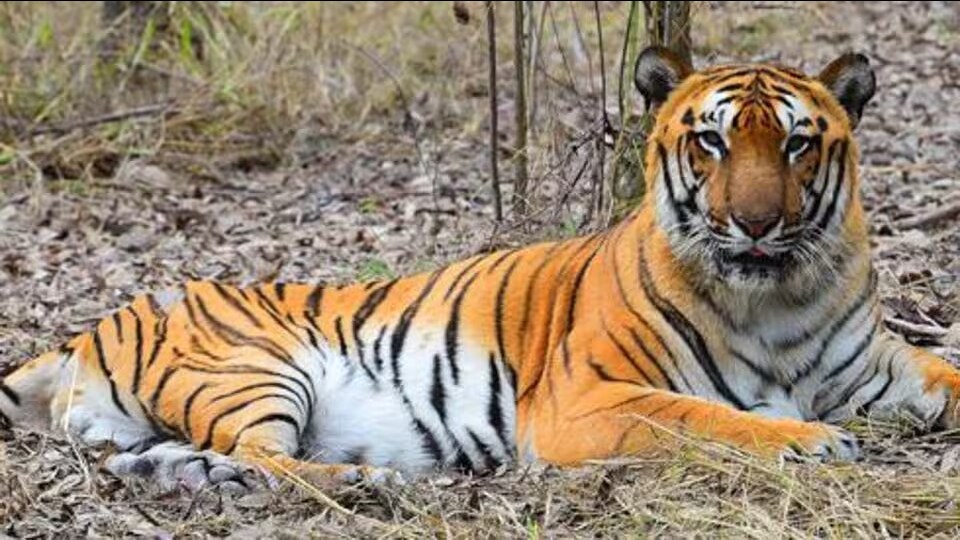
It was a long-distance migration that saw the tiger cover hundreds of kilometres through Uttarakhand, Uttar Pradesh, Haryana and Himachal Pradesh, Rajaji Tiger Reserve director Saket Badola told news agency PTI.
Images recorded in camera traps suggest the tiger migrated from the reserve in October last year. From the Gohri or Chilla range of the RTR, it first came to the reserve’s Motichoor range by crossing the Ganga river. It was reported to be in the Simbalwada Wildlife Sanctuary of Paonta-Renuka in February. In May, it was reported in the Kalesar Wildlife Sanctuary in Haryana, Badola said.
Now, the tiger has been spotted in the Renuka forests of where it arrived in the middle of August, the official said.
Camera traps have recorded the animal’s presence in the Renuka forests, he said, quoting the conservator of the Renuka forest circle.
The tiger’s return to the forests in Himachal Pradesh shows it is on its way back to its previous habitat in the RTR, Badola said.
However, it is not clear whether the tiger had lost its way or made a migration in search of a new habitat for itself, the official added..
The tendency among male tigers to make long-distance migrations in search of a new habitat is a well-documented fact, Badola added.


