
 E-Paper



Toxic inflow threatens Harike Ramsar site, Punjab wildlife wing sounds alarm
In an official communication to the Punjab Pollution Control Board (PPCB), divisional forest officer (wildlife), Ferozepur, stated that water samples collected from the Harike headworks area indicated alarming pollution levels that could adversely affect the fragile wetland ecosystem

 Prefer HTon Google


CHANDIGARH: The Punjab wildlife department has raised concerns over rapidly deteriorating water quality at Harike Wetland after laboratory analysis of water samples collected from the Harike barrage in Ferozepur district revealed dangerously high turbidity levels and signs of sewage contamination, posing a threat to aquatic biodiversity and migratory bird habitats.
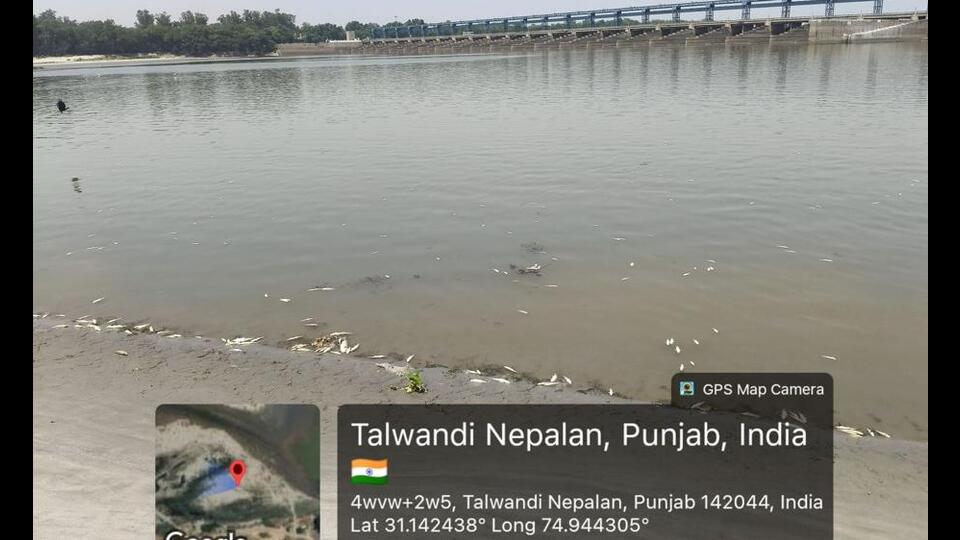
In an official communication to the Punjab Pollution Control Board (PPCB), divisional forest officer (wildlife), Ferozepur, Harpreet Kaur stated that water samples collected from the Harike headworks area indicated alarming pollution levels that could adversely affect the fragile wetland ecosystem.
The samples were collected on May 3 following media reports and public complaints regarding the discharge of contaminated water into the wetland and incidents of fish deaths. According to the laboratory report received on May 5, turbidity levels in the sampled water exceeded 100 nephelometric turbidity units (NTU), significantly higher than the permissible limit of below 25 NTU.
NTU is the standard unit used to measure water turbidity — the cloudiness caused by suspended particles such as silt, algae, organic waste, or pollutants. Elevated NTU levels indicate poor water clarity and increased contamination.
The matter had already been brought to the notice of the authorities concerned due to its serious environmental implications, said Kaur.
Spread across nearly 86 sq km in Tarn Taran, Kapurthala and Ferozepur districts, Harike Wetland was formed in 1952 after the construction of the Harike barrage at the confluence of the Beas and Sutlej rivers. Initially developed to provide irrigation and drinking water to southern Punjab and parts of Rajasthan, the wetland has evolved into one of North India’s most important freshwater ecosystems.
Recognised as a Ramsar site in 1990, the wetland supports rich biodiversity, including more than 390 bird species and several threatened aquatic animals such as the Indus river dolphin, smooth-coated otter, and gharial.
During winters, the wetland hosts over one lakh migratory birds arriving from Central Asia and the trans-Himalayan region. Official bird census figures indicate that Harike receives between 90,000 and 1.25 lakh migratory birds annually.
The wildlife department’s report further highlighted foul-smelling and muddy water conditions, indicating a heavy inflow of untreated sewage and pollutants into the wetland. Officials warned that such contamination could severely impact aquatic flora and fauna, particularly fish species and migratory birds dependent on the wetland for food and habitat.
The analysis also detected residual chlorine and elevated iron content, suggesting that untreated or partially treated effluents may be entering the wetland ecosystem. The sampled water recorded a pH value of 8.5, temperature of 29.2 degrees Celsius, and ammonia concentration of 0.37 mg per litre.
Officials cautioned that the continued decline in water quality could disturb the ecological balance of the internationally recognised Ramsar site and accelerate environmental degradation.
Seeking immediate intervention, the wildlife wing has urged the PPCB and other agencies to initiate corrective measures to stop the discharge of pollutants into the wetland and submit a detailed action taken report at the earliest.


