
 E-Paper



Warmer Feb may hit Punjab wheat yield, warns IMD
Punjab is expected to face above-normal temperatures in February, risking wheat crops during their critical growth phase, warns IMD.

 Prefer HTon Google


Punjab is likely to record above-normal minimum and maximum temperatures in February, which could adversely affect standing wheat crops, particularly during the grain-filling stage, according to a monthly advisory issued by the India Meteorological Department (IMD) on Saturday.
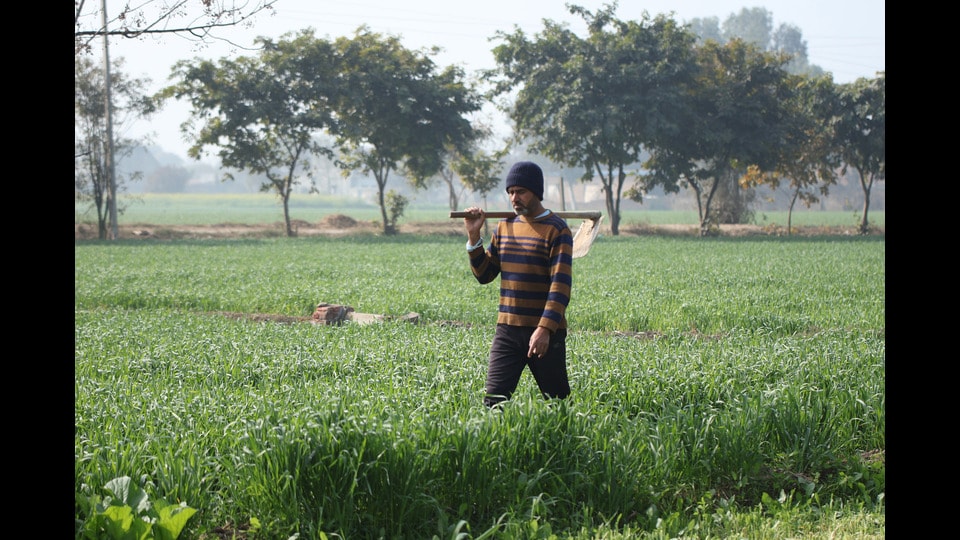
Punjab, which is one of the country’s leading wheat-producing states, depends heavily on favourable winter temperatures for optimal crop development. Any rise in night temperatures could disrupt physiological processes in wheat, while higher daytime temperatures increase evapotranspiration, raising irrigation requirements, the expert warned.
The IMD’s weather forecast indicates that both day and night temperatures across most parts of northwest India, including Punjab, are expected to remain higher than normal during February, while rainfall is likely to be below average.
The month is crucial for the rabi crops, especially wheat, which is currently at a sensitive growth phase in the state.
“The average rainfall over Punjab is most likely to remain below normal in February, while probability forecasts indicate that both minimum and maximum temperatures are likely to be above normal during the month,” the IMD said in its monthly outlook.
Agriculture experts warned that sustained above-normal temperatures in February could accelerate crop growth and hasten maturity. “Higher temperatures during the grain-filling stage may result in lighter grains, reduced grain weight and, eventually, a dip in overall yield,” reads IMD’s advisory.
Punjab Agricultural University (PAU) vice-chancellor, SS Gosal, concurred and said that wheat is a cold-weather crop and needs lower temperatures for its growth.
“Higher temperatures are unfavourable, especially during February when the wheat is in the critical grain-filling stage. If temperatures rise sharply, the wheat grains shrink, thereby reducing crop yield,” Gosal said. He recalled that high temperatures in February 2022 had adversely impacted overall wheat production in Punjab and neighbouring states, reducing output by nearly 20%.
“Chemical analysis of heat-stressed wheat also showed that the protein content declined by about 20%. This directly affects wheat quality as well,” he said.
Gosal emphasised the need to develop heat-tolerant wheat varieties in the future, keeping in view the climate changes driven by global warming.
The agriculture department officials said they were keeping a close watch on weather trends and will issue district-wise advisories to farmers if conditions worsen.
The IMD has also projected fewer cold wave days over northwest India during February, which could further add to heat stress on crops. Farmers have been advised to closely monitor their fields and ensure timely irrigation to mitigate the impact of rising temperatures.
In its advisory, the IMD has suggested light and frequent irrigation at critical stages such as flowering and grain filling to maintain adequate soil moisture. Experts have also recommended the use of mulching and foliar sprays, where required, to reduce heat stress.
Meanwhile, Faridkot was the coldest place in Punjab on Saturday with a minimum temperature of 3.8° Celsius, as the state continues to reel under intense cold conditions.
A weather official here said that fog was also observed at many places in Punjab, including Amritsar, Patiala and Ludhiana. Bathinda recorded a minimum temperature of 4°Celsius, followed by Ludhiana at 5.4° Celsius, while Patiala recorded a low of 5.6° Celsius.
Amritsar registered a low of 6.2° C while Gurdaspur recorded 6°C. In Haryana, Karnal was the coldest place, recording a minimum temperature of 4.5° C. Intense chill also prevailed in Hisar, which recorded a low of 4.9° C. Narnaul recorded a low of 6° C, Rohtak 7.8° C, while Bhiwani recorded a low of 5.5° C.


