
 E-Paper



Warmest November nights in Ludhiana in over five decades: PAU expert
Since smoke engulfed Ludhiana on November 6, there have been zero sunshine hours; PAU experts define ‘sunshine hours’ as the period that sees direct sunshine


The city has recorded the warmest November nights over the past five days since 1970 and the minimum temperatures this month have been above normal in general, according to experts from the Punjab Agricultural University (PAU).
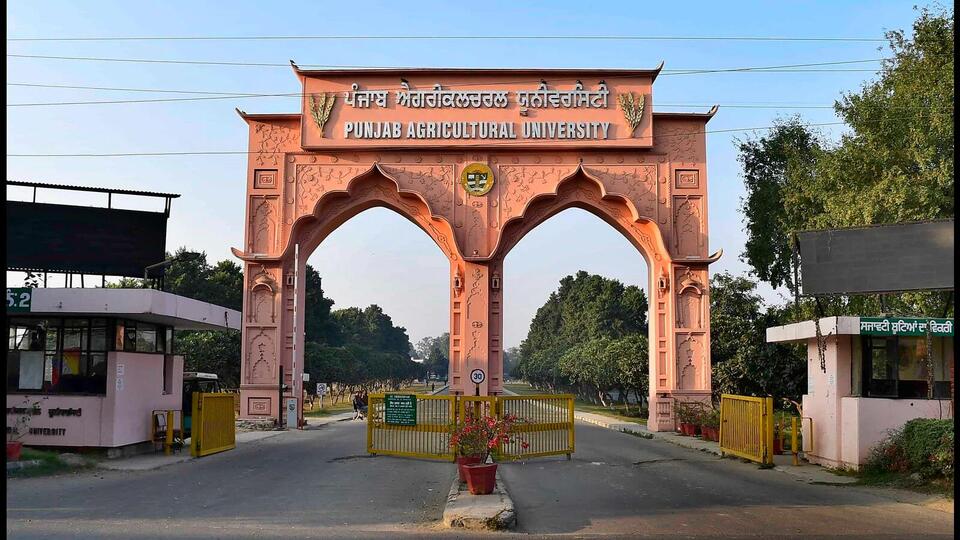
The university started collecting weather data in 1970.
The normal minimum temperatures for this period hover between 11 and 12 degrees Celsius.
However, on November 9, the temperature was recorded at 18.6 degrees Celsius against a normal of 12 degrees Celsius. On November 10, the temperature was 18.4 degrees Celsius against a normal of 11.2 degrees Celsius, 18.4 degrees Celsius against a normal 11.3 degrees Celsius on November 11, 18.8 degrees Celsius against a normal of 11.3 degrees Celsius on November 12 and the mercury touched 18.6 degrees Celsius against a normal 11.2 degrees Celsius on November 13.
On November 14, the minimum temperature was 16.5 degrees Celsius, five degrees higher than the normal of 11.4 degrees Celsius and second-highest since data collection started, according to an expert from PAU.
Weather experts pointed to thick cover of smog that has blanketed the city and the region for the high minimum temperatures.
PAU department head of climate change and agricultural meteorology Dr Pavneet Kaur Kingra said the temperature usually falls during the night due ‘radiation cooling’. She added that during the night, Earth releases heat gathered during the day and with the smog around, this heat is getting trapped on the lower level.
“The smog cover doesn’t let the heat escape, increasing the temperature during the night,” she added.
No sunshine hours
Since smoke engulfed the city on November 6, there have been zero sunshine hours. PAU experts define ‘sunshine hours’ as the period that sees direct sunshine.
While there have been no sunshine hours in these days in earlier years, PAU data shows this the first time in 15 years that these days have been completely void of sunshine hours.
Dr Kingra said the weather and air quality are unlikely to change till the weekend.
A fresh western disturbance system has been recorded in Himachal, leading to speculation of rain soon in the region. Dismissing the speculation, Dr Kingra said that there is no forecast of rain in the coming days in the city or the state.


